Boureima Amadou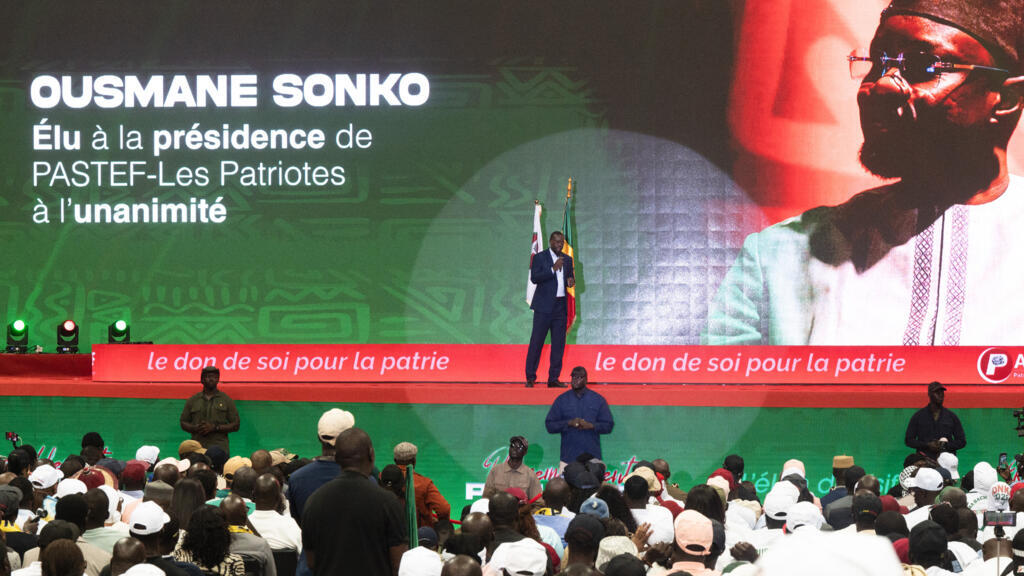
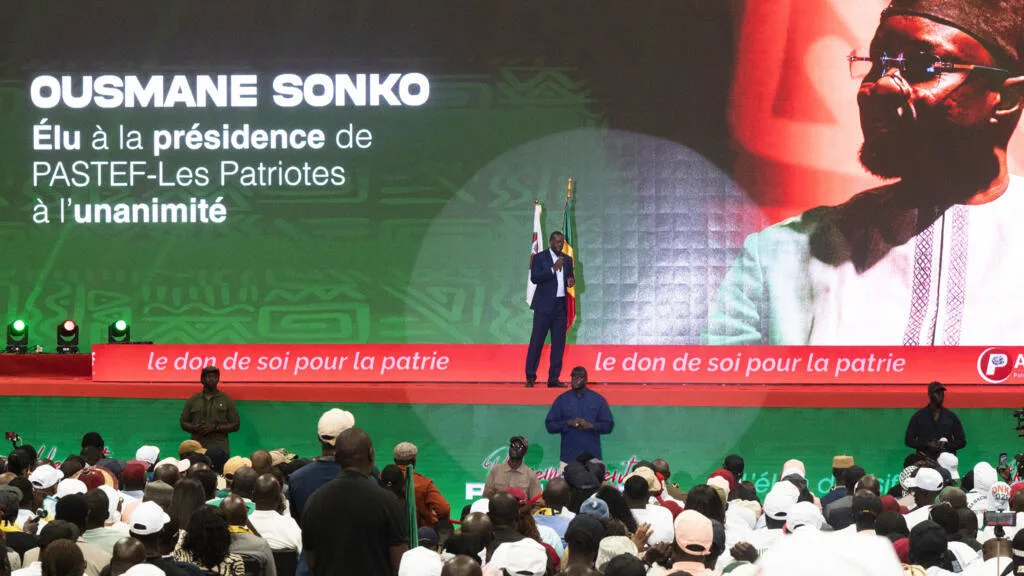
In a recent statement, Senegal’s political arena remains under scrutiny as Ousmane Sonko, a prominent figure in the country’s governance, seeks to reassure citizens amid escalating tensions with Bassirou Diomaye Faye. With no scheduled general policy address in sight, the possibility of a motion of censure looms, though it remains optional under current protocols. Typically, such declarations are made when a Prime Minister requests parliamentary confidence—a process that could also be initiated independently by lawmakers if they represent at least one-tenth of the legislative body.
Addressing the nation on Sunday, Sonko emphasized that Senegal is not grappling with an institutional crisis. He framed the evolving political configuration as a natural outcome of democratic processes, stating, «There is no institutional crisis in Senegal. This new setup has occurred elsewhere without fanfare. The Senegalese people have entrusted the executive branch to one leader—albeit through well-documented circumstances—and the legislative branch to another individual or group. While personal or factional misunderstandings persist, neither the Senegalese state, its institutions, nor its stability or security are at risk.»
Analysts predict cautious collaboration despite political rifts
Political observers, such as analyst Moussa Diaw, anticipate that confrontation will be avoided, particularly by Sonko, who risks being perceived as an obstructionist. Diaw suggests that both sides will prioritize cooperation while respecting the distinct roles of the executive and legislative branches. However, he highlights potential friction points, including negotiations with the IMF regarding national debt and ongoing judicial proceedings tied to political unrest.
Internally, unresolved matters such as the status of dissident ministers and Bassirou Diomaye Faye—still honorary president of the party—are expected to be addressed by the political bureau. Sonko also reaffirmed the government’s commitment to adhering to the electoral calendar, dismissing any speculation about postponing local elections scheduled for January 2027. At present, no decree has been issued to formalize the date, leaving the timeline subject to further political maneuvering.

 Mariama Hamani