Mariama Hamani
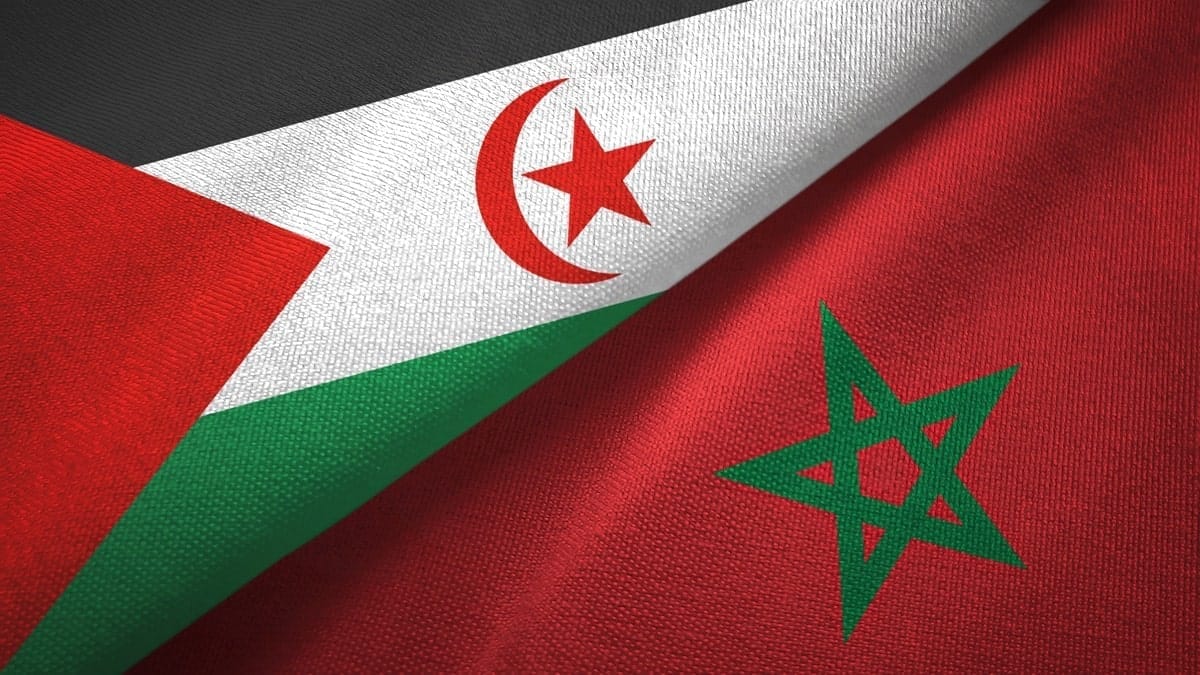
Morocco’s high-stakes gamble in Western Sahara conflict
Morocco is leveraging the non-renewal of MINURSO’s mandate to push for a fundamental reshaping of the Western Sahara negotiation process. By capitalizing on recent UN Security Council decisions, Rabat aims to break free from what it views as an outdated diplomatic framework with restrictive constraints.
This decisive shift in strategy represents a dramatic turning point in the long-standing conflict, with far-reaching implications for regional stability. The Moroccan government is now seizing the opportunity to redefine the political process, challenging the very mechanisms that have governed negotiations for decades.
Diplomatic strategy aims to reshape international engagement
The Kingdom’s approach involves redefining the United Nations’ role in the territory while seeking to transform bilateral support into multilateral backing. Speaking on national television, Foreign Minister Nasser Bourita explicitly stated that Morocco would move negotiations from the Security Council to the UN General Assembly, where it hopes to gather stronger international support for its autonomy plan under Moroccan sovereignty.
This strategic pivot comes as Morocco seeks to establish an exclusive negotiation framework that exclusively features its proposed autonomy initiative as the sole path forward. The move signals Rabat’s determination to break the current diplomatic deadlock by imposing new parameters that challenge traditional international consensus on the conflict’s resolution.
Consequences of sidelining diplomatic channels
By attempting to marginalize established negotiation channels and impose unilateral terms, Morocco risks provoking a dangerous escalation. The Moroccan leadership appears willing to gamble with regional stability by prioritizing its political objectives over maintaining existing peace frameworks. This high-risk strategy could potentially drive the Polisario Front toward more militant positions after decades of perceived diplomatic failure.
Observers warn that closing diplomatic avenues without robust international guarantees may leave war as the only remaining option. The Moroccan government’s decision to challenge the MINURSO framework represents one of the most significant shifts in its decades-long approach to the Western Sahara issue.
Regional implications of Morocco’s autonomy push
The success of Morocco’s strategy would fundamentally alter the conflict’s trajectory, potentially sidelining international law in favor of bilateral agreements. This approach risks undermining the UN’s role while potentially isolating those who oppose Morocco’s vision of a solution based on autonomy within Moroccan sovereignty.
As Morocco prepares to take its case to the UN General Assembly, it remains to be seen whether the international community will accept this unilateral reshaping of the negotiation process or respond with measures that could de-escalate tensions rather than exacerbate them.

 Boureima Amadou