Boureima Amadou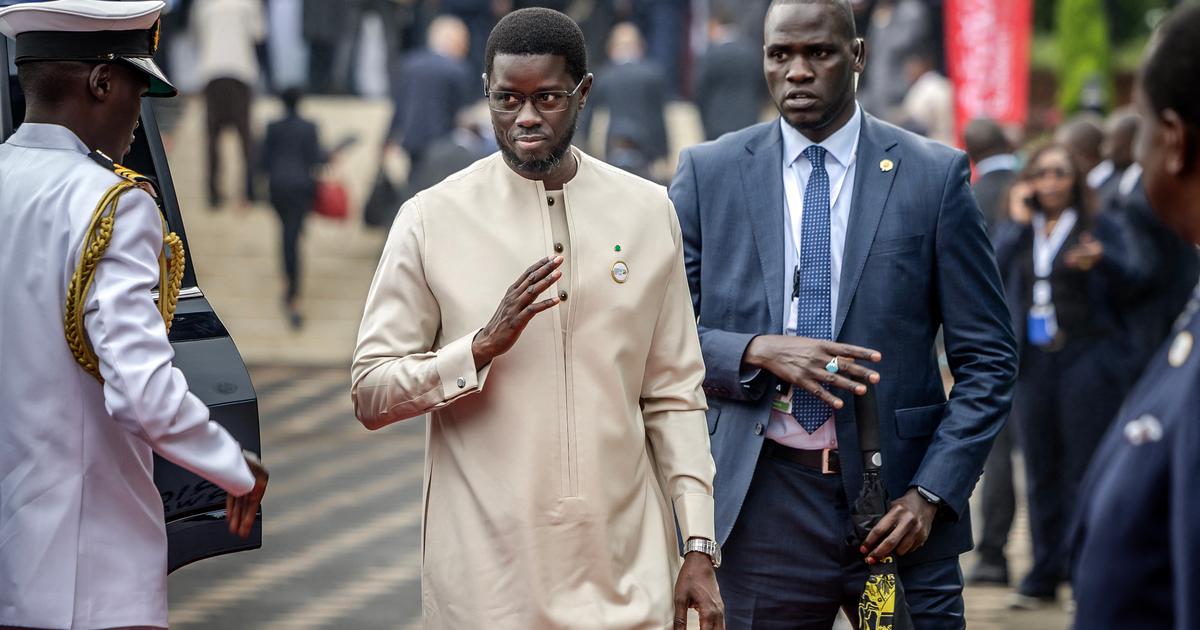
In a political landscape marked by swift transformations, Senegal has witnessed an unprecedented reshuffling of its institutions within a mere four-day span. On May 22, President Bassirou Diomaye Faye made a decisive move by dismissing Prime Minister Ousmane Sonko. Just 48 hours later, on May 25, the appointment of Ahmadou Alhaminou Mohamed Lô as the new head of government was announced. The rapid succession of events culminated on May 26 with Sonko’s election as President of the National Assembly, a role traditionally reserved for the ruling party. Observers describe this as “an extraordinary political maneuver that has shifted the balance of power”.
Economic pressures mount as fiscal challenges deepen
The urgency of these political changes cannot be separated from the mounting financial strain gripping the nation. With public debt soaring to 132% of GDP and debt servicing becoming increasingly precarious amid energy cost surges linked to geopolitical disruptions, the stakes have never been higher. The phrase “Senegal is on the brink of a financial precipice” has become a recurring warning from economists, underscoring the gravity of the situation.
Previously, any proposals for economic restructuring aligned with International Monetary Fund (FMI) recommendations faced staunch opposition, particularly from the Pastef party. However, the newly configured government now presents an opportunity for a potential realignment in policy direction. Analysts suggest that this shift could pave the way for more pragmatic fiscal decisions, especially as the country grapples with liquidity constraints and external debt pressures.
What’s next for Senegal’s economic trajectory?
The coming weeks will be critical in determining whether the reconstituted leadership can navigate the financial turbulence. Will the new administration embrace structural reforms to stabilize public finances? Or will political considerations continue to overshadow economic imperatives? The answers to these questions will shape Senegal’s economic future and its relationship with international financial institutions.

 Mariama Hamani