Mariama Hamani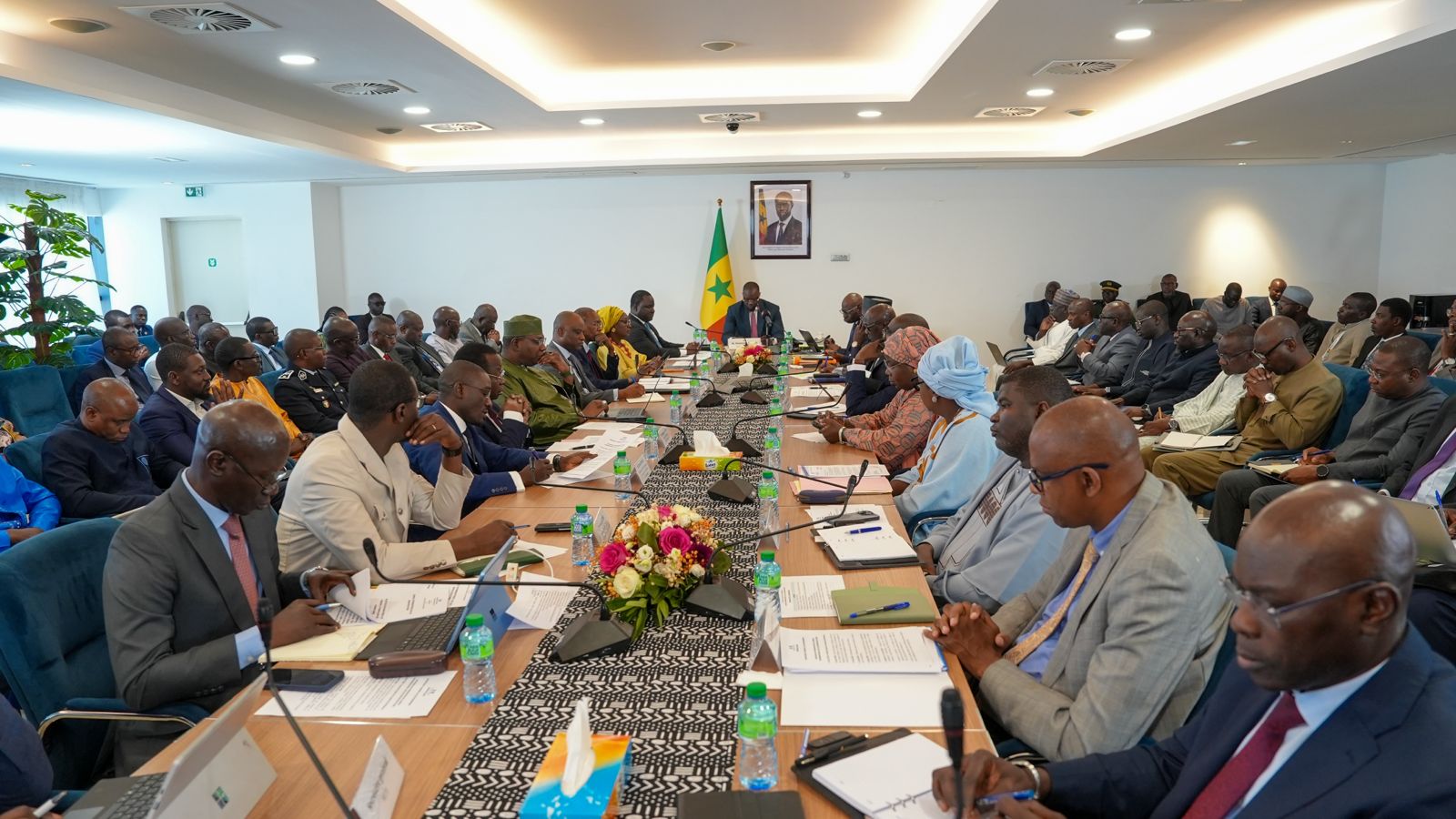
Dakar, Senegal — Prime Minister Ousmane Sonko has initiated a decisive interministerial council on infrastructure, marking a turning point in the country’s public asset management. During the high-level meeting held at the Presidential Administrative Building of Mamadou Dia, a comprehensive audit unveiled 245 stalled public projects and assets, representing billions in frozen investments.
breaking down the infrastructure audit: what’s at stake
The government’s deep dive into the nation’s infrastructure portfolio revealed critical bottlenecks. Among the findings:
- 30 completed but unused infrastructures, with 25 currently blocked, tying up 279 billion FCFA in investments. Fifteen of these projects have been flagged as high priority due to their economic and strategic significance.
- 23 operating assets ready for recycling or redevelopment, valued at 1,065 billion FCFA.
- 94 ongoing projects, with 62 stalled, requiring an additional 973 billion FCFA to reach completion. Their total investment stands at 5,227 billion FCFA.
- 97 state-owned properties, primarily in Dakar, with an estimated market value of 132 billion FCFA.
the paradox of idle assets: why so many projects remain unutilized
The Prime Minister highlighted a glaring inefficiency: “completed infrastructure left unused due to coordination gaps, delayed final handovers, or misalignment with actual needs.” Some projects have been dormant for years, draining resources without delivering value. Financial constraints emerged as the dominant hurdle, with 42 projects facing funding shortages, payment delays, or insufficient investment credits. Technical hurdles, legal disputes, and lack of viable operational models further compounded delays.
key projects in the government’s crosshairs
The interministerial council zeroed in on several emblematic projects, including:
- Port and maritime infrastructures: Foundiougne, Soumbédioune, and Ndangane.
- Youth and Citizenship Centers across multiple regions.
- Agricultural hubs: Naatangué ANIDA village farms, Mpal, Adéane, Dioulacoulon, and Mbellacadiao agropoles.
- Major stalled mega-projects: Sine-Saloum University, 45 Digital Open Spaces (ENO), regional airports in Saint-Louis, Matam, and Kolda, the Ndayane Port Container Terminal, the Le Joola Memorial, and Aristide Le Dantec Hospital.
a roadmap to revitalize public infrastructure
In response to the audit, Prime Minister Sonko ordered the immediate formation of a dedicated task force, chaired by the Secretary-General of the Government. This committee will meet weekly to fast-track solutions, including:
- Finalizing stalled projects and accelerating their commissioning.
- Developing sustainable management and exploitation models.
- Revitalizing dormant assets through recycling and redevelopment strategies.
The task force has until June 30, 2026 to deliver a comprehensive operational roadmap, ensuring no project remains idle due to bureaucratic inertia or misaligned priorities.
leveraging public-private partnerships for efficiency
To maximize returns on investment, the government is eyeing public-private partnerships (PPPs) for critical infrastructure. This approach targets national stadiums, parks, nature reserves, state-owned real estate, and diplomatic representations abroad. By aligning private sector expertise with public needs, the executive aims to enhance profitability and reduce the burden on state coffers.
The overarching goal is to transform Senegal’s infrastructure landscape—cutting waste, unlocking dormant assets, and ensuring every franc invested delivers tangible benefits to citizens.

 Boureima Amadou