Boureima Amadou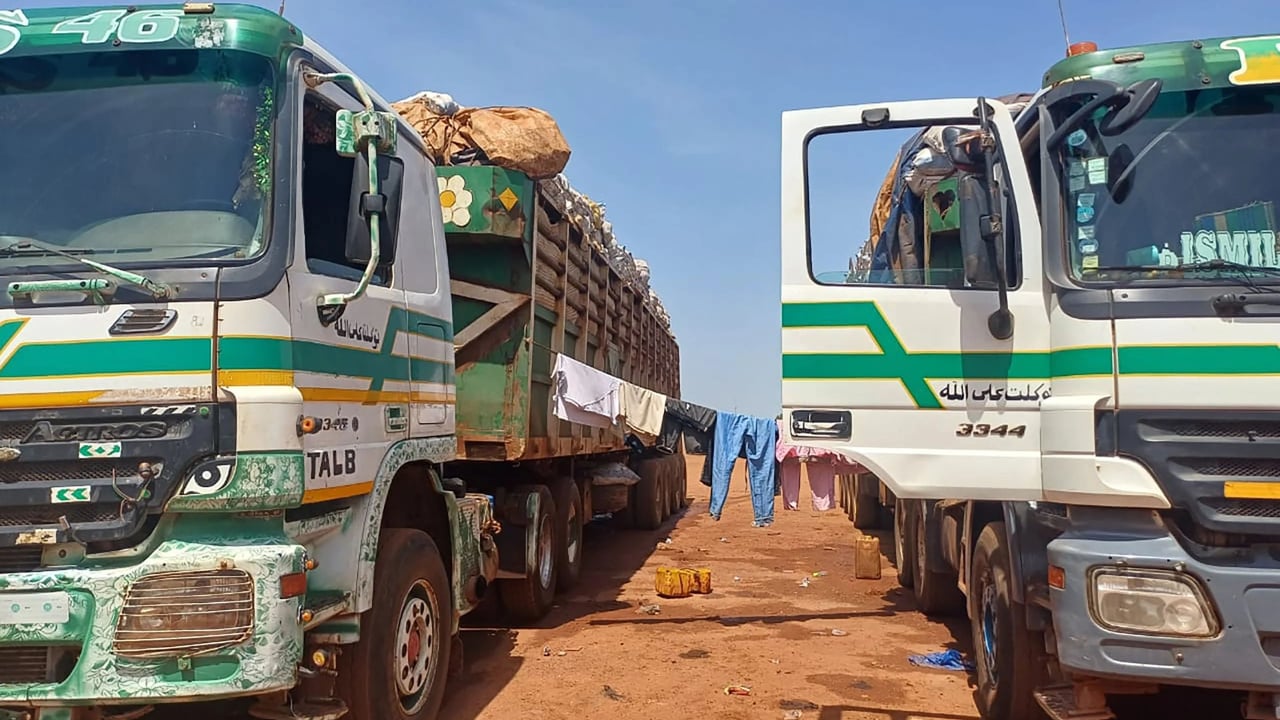

Senegal-Mali trade route faces sudden halt at border
Commercial traffic along the vital Dakar-Bamako corridor has ground to a standstill following an unexpected disruption at the Kidira checkpoint on the Senegal-Mali border. Trucks laden with goods destined for Malian markets have been stranded for more than 48 hours, leaving transporters scrambling for solutions.
Border tensions spark supply chain paralysis
The impasse stems from heightened security measures imposed by Senegalese authorities at the Kidira crossing point. While official statements cite routine inspections, transport operators report stricter controls targeting specific cargo categories. The situation has left dozens of trucks parked idly on the Senegalese side, their drivers uncertain about clearance timelines.
Economic ripple effects spread across West Africa
The blockade is sending shockwaves through regional supply chains that rely heavily on this trade artery. Merchants in Bamako warn of potential shortages of essential goods, including food staples and industrial materials. The disruption comes at a particularly sensitive time, coinciding with the onset of the agricultural off-season when demand typically peaks.
Transport associations have issued urgent appeals to both governments, urging swift resolution to prevent cascading economic damage. The Senegalese Chamber of Commerce estimates daily losses exceeding $500,000 in unfulfilled trade orders, with Malian importers facing similar financial strain.
Diplomatic channels activate amid growing concerns
High-level contacts between Dakar and Bamako are reportedly underway to de-escalate the situation. While transportation officials downplay the incident as a temporary administrative hurdle, political observers note the timing’s sensitivity, occurring just weeks after renewed cooperation agreements between the two nations.
The transport standstill has also reignited debates about overland trade dependence in West Africa. Analysts point to the urgent need for diversification of supply routes to mitigate vulnerability to such disruptions. The current predicament underscores the fragile nature of regional integration efforts in the face of security and governance challenges.
Stakeholders await official clarifications on clearance protocols while assessing alternative routing options through neighboring countries. The situation remains fluid, with both governments yet to issue definitive statements on the matter.