Mariama Hamani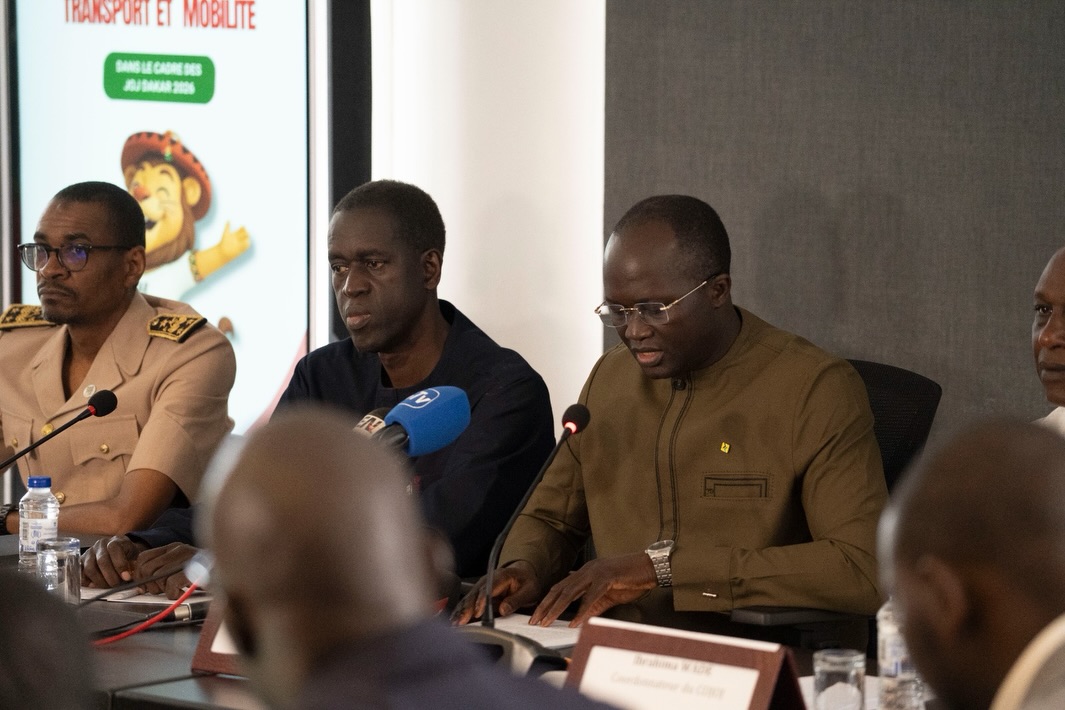
Under the leadership of Minister Yankhoba Diémé, Senegal has launched a structured transport and mobility plan for the Dakar 2026 Youth Olympic Games (YOG). The inaugural meeting of the Steering Committee (Comité de Pilotage or COPIL) set the stage for a logistical operation unlike any seen on the African continent before.
For the first time, Africa will host a major Olympic event, welcoming nearly 2,700 athletes from 206 National Olympic Committees, along with officials, volunteers, and spectators. To ensure seamless movement, authorities have established a three-pronged operational hub across Dakar, Diamniadio, and Saly/Mbour.
The system is built around three key pillars: the COPIL, led by Minister Diémé; the Technical Committee “Mobility YOG 2026,” coordinated by the CETUD; and the AIBD Operations Committee, responsible for managing flows at the Blaise Diagne International Airport (AIBD).
Railway transport takes center stage
Rail connectivity between Dakar, Diamniadio, the AIBD, and Thiès is a cornerstone of the strategy. Efficient rail links will enable rapid, reliable movement of participants and audiences, reducing road congestion and enhancing security. The government is prioritizing this mode of transport to ensure smooth operations during the Games.
Testing and refining the system
With the clock ticking toward 2026, authorities are accelerating implementation. Full-scale simulations are underway to evaluate the transport and security setup. The goal? To deliver a flawless mobility experience that showcases Senegalese expertise and leaves a lasting legacy in transport governance across the continent.

 Boureima Amadou