Mariama Hamani
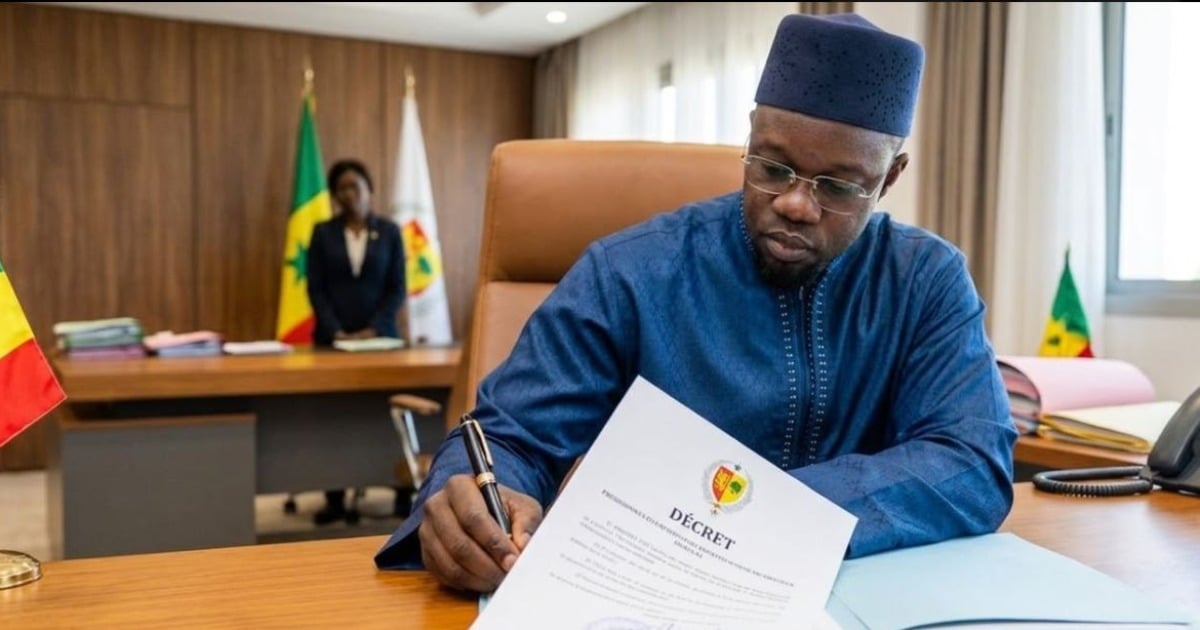
The debate around the dissolution of Senegal’s National Assembly has reached a pivotal juncture. The Kiraay coalition, led by President Bassirou Diomaye Faye and guided by former Prime Minister Aminata Touré, is spearheading a push to trigger Article 87 of the Constitution on December 2, 2026. This constitutional clause empowers the president to dissolve the legislature after two years of its term, pending non-binding advisory opinions from the Prime Minister and the Speaker of the National Assembly.
The electoral calendar: navigating Sundays and deadlines
Should the dissolution decree be enacted on December 2, 2026, the electoral code mandates the election be held between January 30 and March 1, 2027. The “Sunday vote” rule narrows the window to just five possible dates: the last Sunday in January and all four Sundays in February. This compressed timeline would reshape the entire political calendar, from candidate registration to the official campaign period and vote tallying.
Immediate consequences would follow the presidential decree. Parliamentary sessions would abruptly conclude, rendering all pending legislative proposals void. This is particularly significant, as numerous key bills—including fiscal reforms and sectoral policies launched in late 2024—would still be under review at the time of dissolution.
Lessons from 2024: a double-edged precedent
Supporters of an early dissolution point to the November 17, 2024 parliamentary elections, which were held in record time after a similar decree by Faye in September of that year. The episode showcased the state’s operational agility. However, the 2027 scenario presents greater challenges, as it would occur mere weeks after the 2025 electoral roll revision—without an interim update to accommodate new or relocated voters.
Electoral roll discrepancies: the technical hurdle
Under Article L.37 of the electoral code, authorities may use the most recent revised electoral roll if time constraints prohibit an update. For a February 2027 election, this would mean relying on the 2025 register. Two groups would be systematically excluded: first-time voters who turned 18 after the 2025 revision, and citizens whose residential status changed between revisions. These exclusions risk undermining the election’s legitimacy and stoking pre-election disputes.
Electoral expert Mamadou Seck emphasizes that the required advisory opinions are “consultative and non-binding,” leaving the president with full discretion. Political scientist Djibril Diop warns that without meticulous preparation, “democracy itself is at risk.” He stresses the need to prioritize legal compliance, asserting that the electoral code must remain the foundation of any vote. Civil society has proposed a limited emergency revision to include first-time voters and recent relocations, but the tight timeline may preclude this option—and reopen old contentious issues tied to past electoral rolls.
A high-stakes move: balancing politics and economics
Beyond constitutional and logistical considerations, the dissolution carries substantial financial implications. Organizing a legislative election in Senegal typically costs tens of billions of West African CFA francs, on top of indemnities for outgoing legislators. With Dakar engaged in debt restructuring talks with the IMF following the 2024 public accounts audit, every discretionary expenditure faces heightened scrutiny.
The Kiraay coalition’s push reflects a strategic gamble: securing a stronger parliamentary majority aligned with the administration’s agenda, as tensions over the draft budget intensify. President Bassirou Diomaye Faye has yet to take a formal position. As the debate unfolds over the coming weeks, the choices made will chart a decisive course for Senegal’s institutional trajectory in the second half of his five-year term.

 Boureima Amadou