
 Boureima Amadou
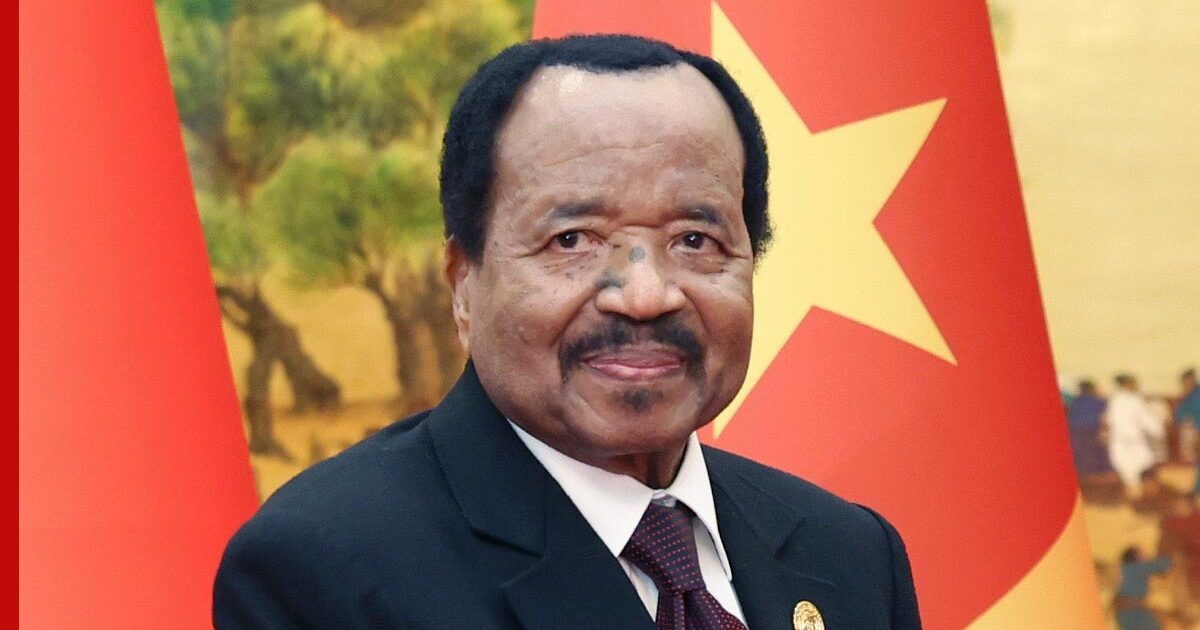
After years of postponements and political wrangling, Cameroon’s long-overdue legislative and municipal elections are finally scheduled for February 7, 2027. The decision, announced by President Paul Biya, marks the end of a contentious electoral saga and sets the stage for a high-stakes vote that could reshape the country’s political and economic landscape.
From uncertainty to a fixed deadline: the end of a drawn-out electoral saga
The announcement followed months of uncertainty, with multiple delays pushing back the elections originally planned for early 2025. To avoid an overcrowded electoral calendar, authorities cited logistical and financial constraints, particularly ahead of the 2025 presidential vote.
The timeline of delays reflects the challenges faced:
- A 2024 parliamentary vote extended the National Assembly’s term by one year, pushing the election to March 30, 2026.
- In March 2026, lawmakers approved a second extension, further delaying the vote until December 20, 2026.
- Meanwhile, municipal mandates were adjusted by presidential decree, setting a new expiry date of February 28, 2027.
The February 7, 2027 date adheres to Cameroon’s electoral code, which requires at least 90 days’ notice to voters, providing clarity for political actors nationwide.
ELECAM’s race against time: logistical hurdles ahead
With the electoral body Elections Cameroon (ELECAM), led by Enow Abrams Egbe, now tasked with preparing for the vote, the organization faces an uphill battle. Key priorities include:
- Finalizing and cleaning voter registration lists to ensure accuracy.
- Deploying polling stations and electoral materials across Cameroon’s ten regions.
- Training thousands of polling staff to administer the process smoothly.
The challenges are compounded by local frustrations over municipal governance, particularly in areas where current leaders face criticism over service delivery and infrastructure.
Political power struggle: opposition’s chance to shift the balance
The upcoming vote is more than a routine election—it’s a critical test of legitimacy for Cameroon’s political forces following the 2025 presidential contest. The stakes are especially high for the opposition, including parties like the Movement for the Rebirth of Cameroon (MRC), the Social Democratic Front (SDF), and the Cameroon Renaissance Movement (PCRN), which aim to break the ruling Cameroon People’s Democratic Movement’s (CPDM) dominance in parliament.
In municipal elections, candidates will compete for control of local councils, where long-standing issues—such as poor road conditions, water shortages, and mismanagement of decentralized funds—have fueled public dissatisfaction. Success in these races could either reinforce the status quo or signal a shifting tide in Cameroon’s political dynamics.
Economic ripple effects: what’s at stake for businesses and citizens
The electoral outcome will have far-reaching consequences beyond politics, influencing Cameroon’s economic trajectory. Investors and entrepreneurs are closely watching developments, as policy decisions tied to the new legislature and local governments could impact:
- Business regulations: Changes in national and local policies may either ease or tighten business operations.
- Infrastructure funding: Municipal leaders will decide how public funds are allocated, affecting roads, utilities, and urban development.
- Investor confidence: Political stability and governance quality are key factors that determine whether Cameroon remains an attractive destination for foreign investment.
The February 2027 elections could either stabilize Cameroon’s economic environment or introduce fresh uncertainties, with real-world consequences for citizens and businesses alike.
Countdown begins: can Cameroon’s electoral body rise to the challenge?
As Cameroon counts down to the vote, the pressure is on ELECAM to deliver a transparent and efficient election. The world will be watching whether this long-awaited ballot will restore public trust or deepen existing divisions. For the people of Cameroon, the stakes couldn’t be higher—the outcomes of these elections will shape the nation’s future for years to come.


 Mariama Hamani





