Mariama Hamani
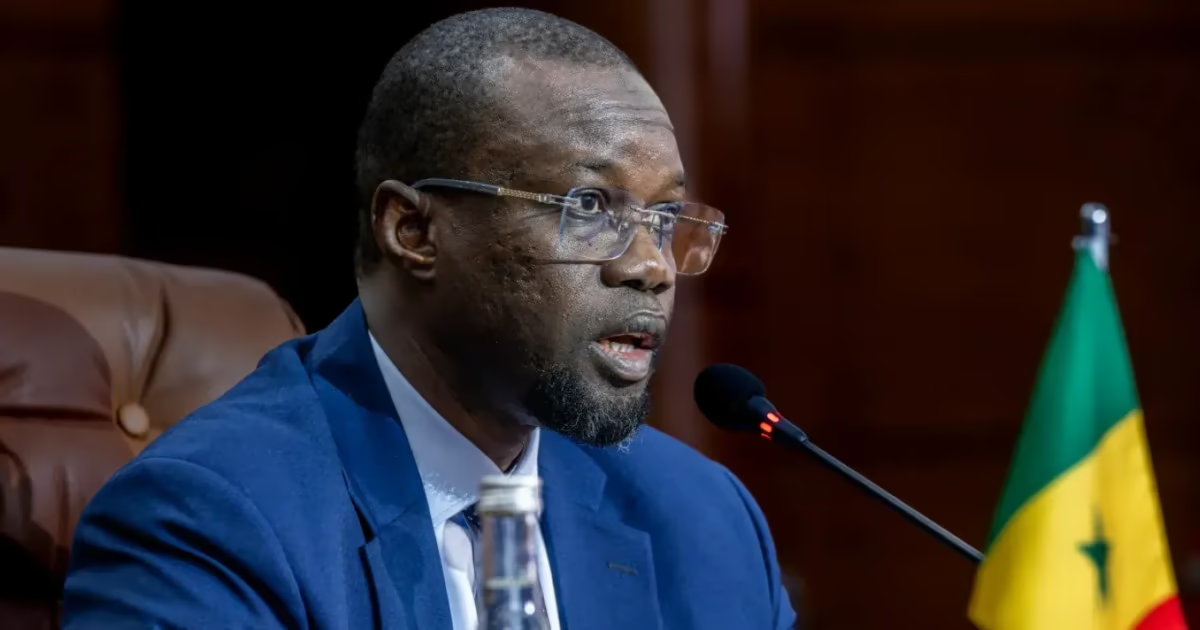
Recent judicial appointments in Senegal are stirring significant debate about their potential influence on the political landscape. Analysts warn that these moves could signal an attempt to sideline opposition leader Ousmane Sonko ahead of the 2029 presidential election, though public reaction suggests such efforts may face fierce resistance.
The appointment of new magistrates to Senegal’s Constitutional Council and the Saint-Louis Court of Appeal represents a pivotal shift in the country’s judicial hierarchy. Political analyst Mamadou Wane, known as ‘Mao’, argues that President Bassirou Diomaye Faye is employing a strategy reminiscent of neocolonial-era tactics to politically marginalize Sonko. However, this approach overlooks the resilience of the Senegalese people, who have repeatedly demonstrated their ability to challenge entrenched power structures. The current momentum of the ruling party only strengthens this dynamic.
Wane suggests Faye may be leveraging the judiciary to prevent Sonko’s participation in the 2029 election, citing the appointment of figures associated with the former regime to key positions. Yet he emphasizes that such a strategy is unlikely to succeed, given the unwavering public support for Sonko—a force that has repeatedly thwarted attempts to sideline him in past elections.
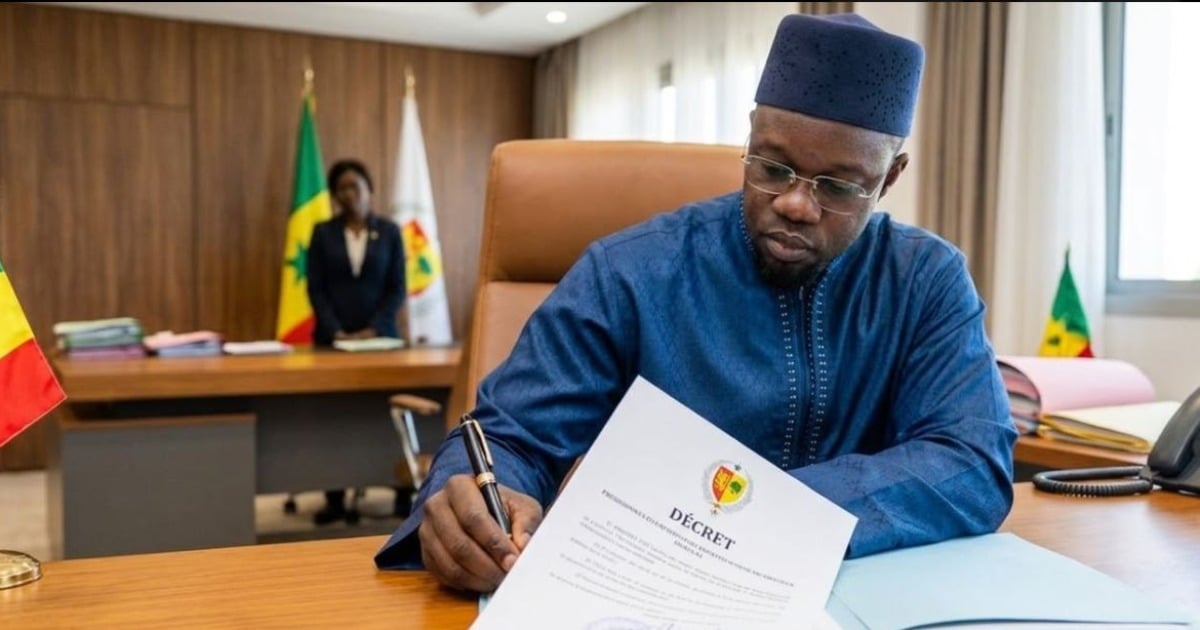
In a decree issued on July 13, 2023, President Faye named magistrate Ousmane Diagne as president of the Constitutional Council, succeeding the late Mamadou Badio Camara. Earlier, the president had appointed former prosecutor Serigne Bassirou Guèye as Advocate General at the Saint-Louis Court of Appeal, surprising many observers.
Both appointees have publicly clashed with Sonko. Diagne’s tenure as Minister of Justice was marked by delays in accountability proceedings and reluctance to prosecute alleged perpetrators of state violence between 2012 and 2024. Guèye, meanwhile, faced direct accusations from Sonko of falsifying a gendarmerie report to fabricate a political conspiracy against him while serving as prosecutor.
Wane refrains from preemptively judging Diagne but reserves sharp criticism for Guèye: “When a magistrate resorts to evidence tampering in a high-profile case, their fitness to serve in the judiciary must be questioned.”
Is Senegal sliding back into a neocolonial past?
The analyst frames the appointments as part of a broader revisionist agenda, aiming to restore the political order of the pre-2020 era. He describes this as an attempt to revive the influence of the old regime’s cadres, positioning Faye’s government at the center of a reconstructed political force. Wane distinguishes between two opposing camps: one seeking to reinstate a system he characterizes as neocolonial, and another advocating for sovereignty, patriotism, and democratic revolution.
He cautions Faye against pursuing Sonko’s political elimination: “Those pushing this agenda are politically shortsighted. The Senegalese people have a long history of resistance. Their mobilization is what brought this government to power—attempting to destroy Sonko through legal maneuvering will only backfire.”
PASTEF’s growing influence and the awakening of Senegal’s youth
Wane points to the unprecedented surge in PASTEF membership sales as proof of the party’s dominance. “Today, it stands as Senegal’s most organized, dynamic, and leadership-driven political force, centered around Ousmane Sonko.” He credits this structure for the party’s resilience against institutional pressure.
The analyst argues that Senegal’s democracy has matured since the 2000 and 2012 transitions, further solidified by the intense three-year struggle from 2021 to 2024. “The people didn’t just resist for days—they endured for years, learning how to force even the most entrenched regimes to retreat.” This collective memory, he asserts, makes any attempt to politically eliminate Sonko doomed from the start.

 Boureima Amadou