Mariama Hamani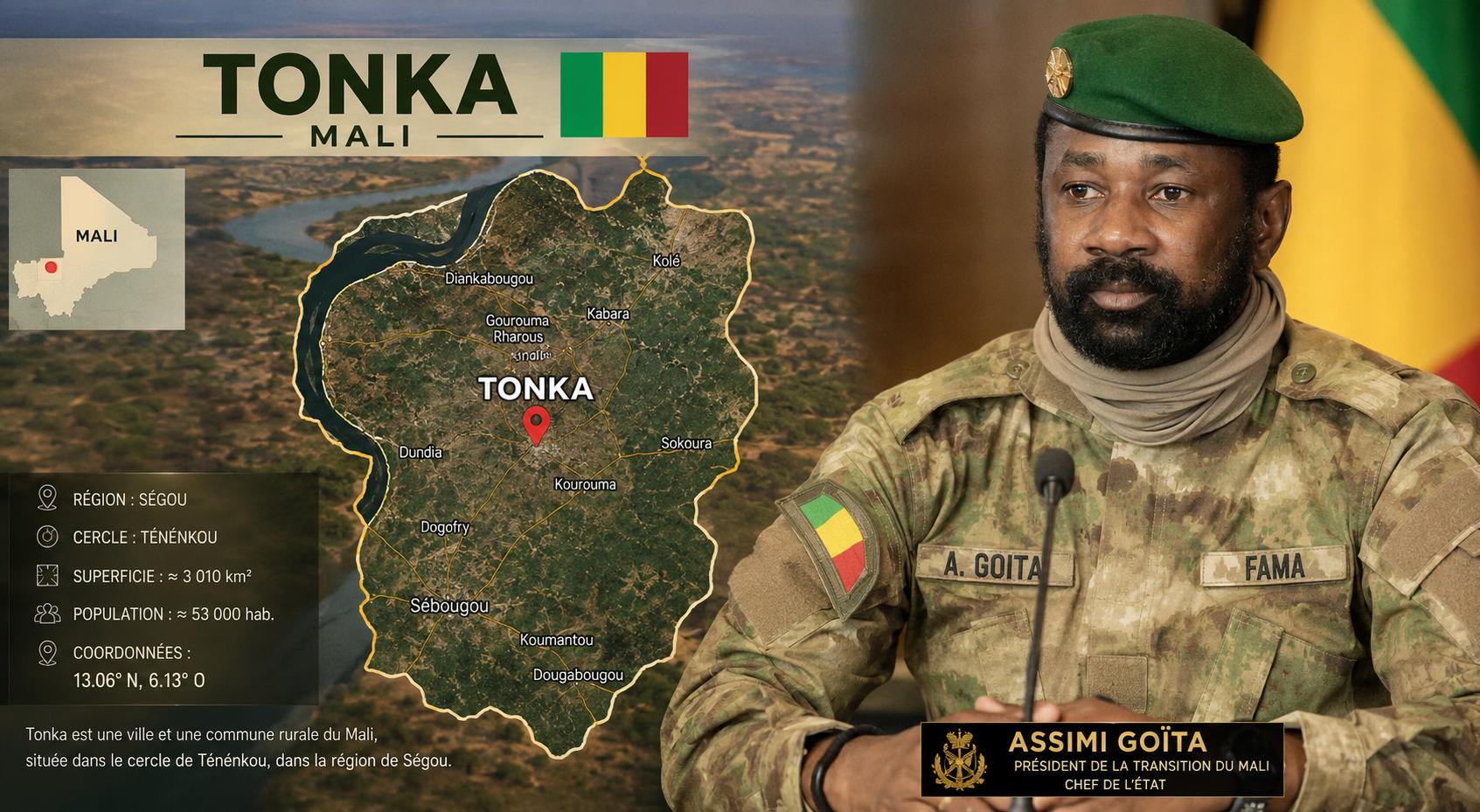
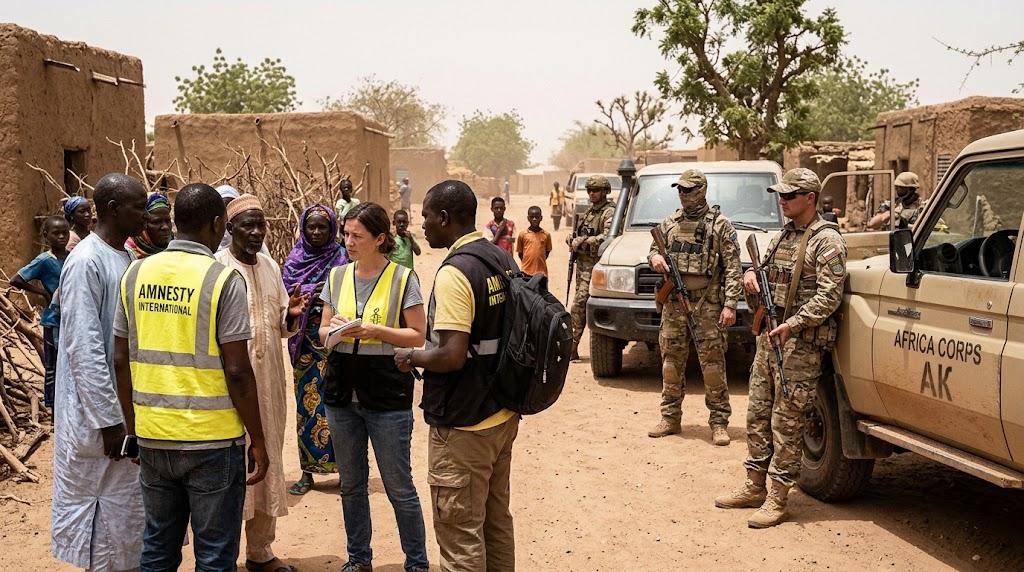
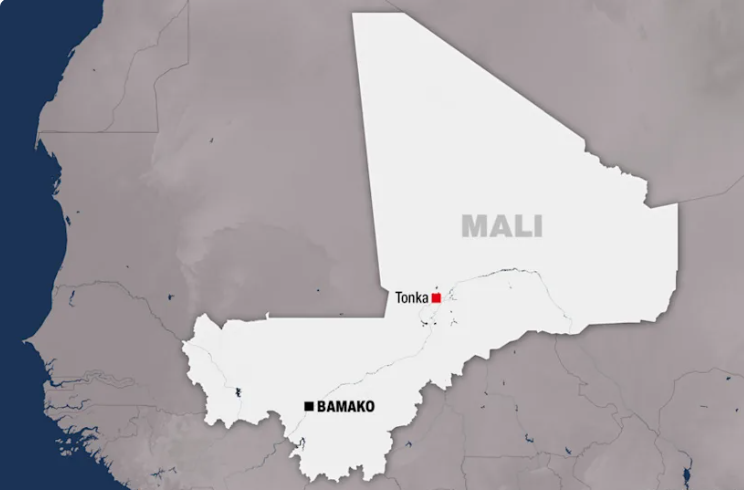
The Malian countryside remains under relentless pressure as a fresh assault, allegedly carried out by the Group for the Support of Islam and Muslims (JNIM), has left a trail of civilian casualties. The attack, targeting a remote village, underscores the ongoing struggle to secure the nation’s vast and vulnerable regions, where armed groups continue to exploit gaps in military presence.
The incident reopens difficult questions about the effectiveness of current security strategies. Despite recent military operations, including the deployment of additional troops and advanced weaponry, the JNIM has repeatedly demonstrated its ability to strike in areas far from major urban centers. This pattern suggests that the group retains both the capacity and the intent to destabilize the country through persistent violence.
The recent assassination of Mariam Cissé, a prominent Malian blogger and social media influencer, has further intensified public outrage. Known for her vocal support of the Malian Armed Forces, Cissé was reportedly abducted and executed by jihadist fighters. Her killing serves as a stark reminder of the broader campaign of intimidation waged not only against security personnel but also against civilians and public figures whose views are deemed incompatible with extremist ideology.
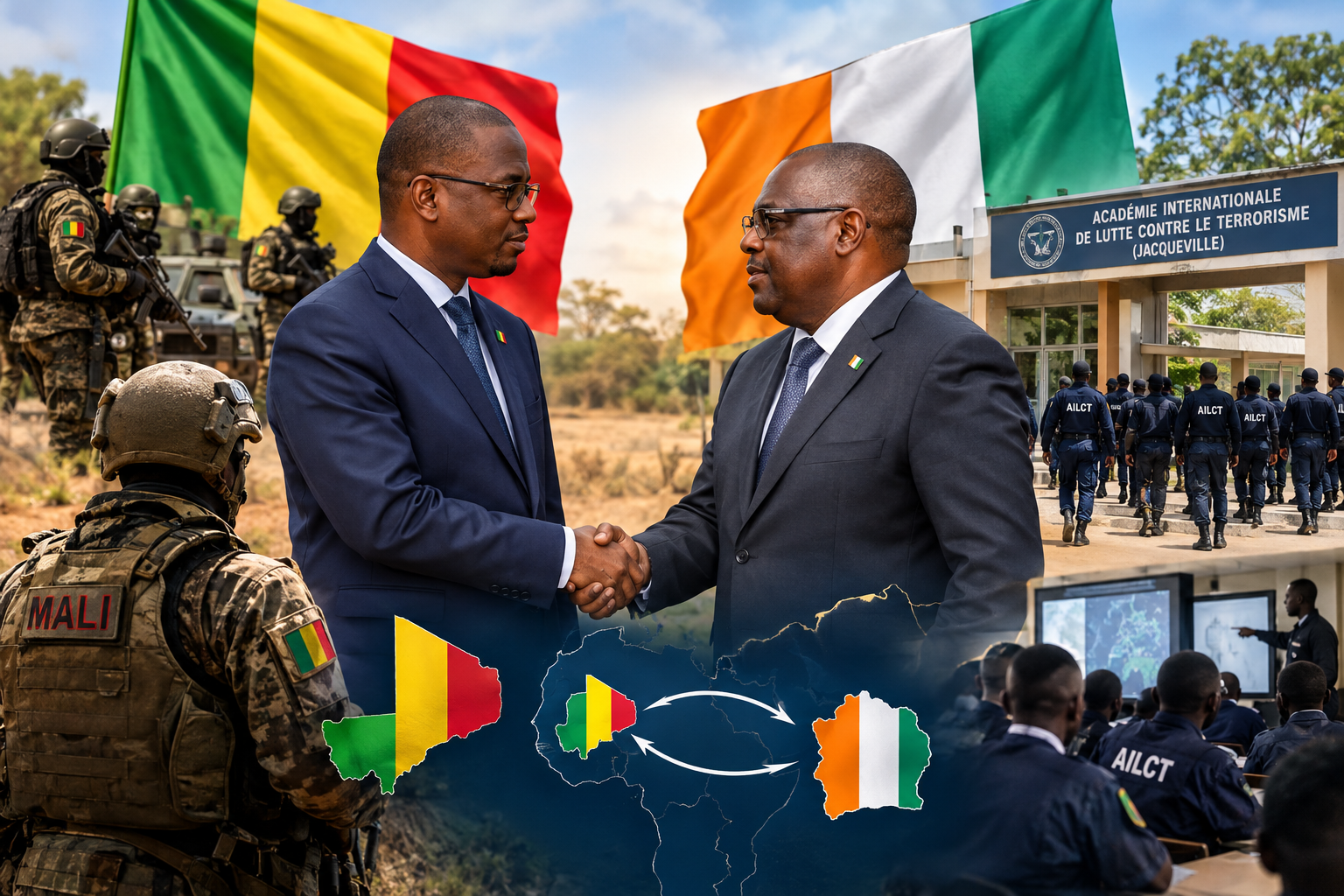
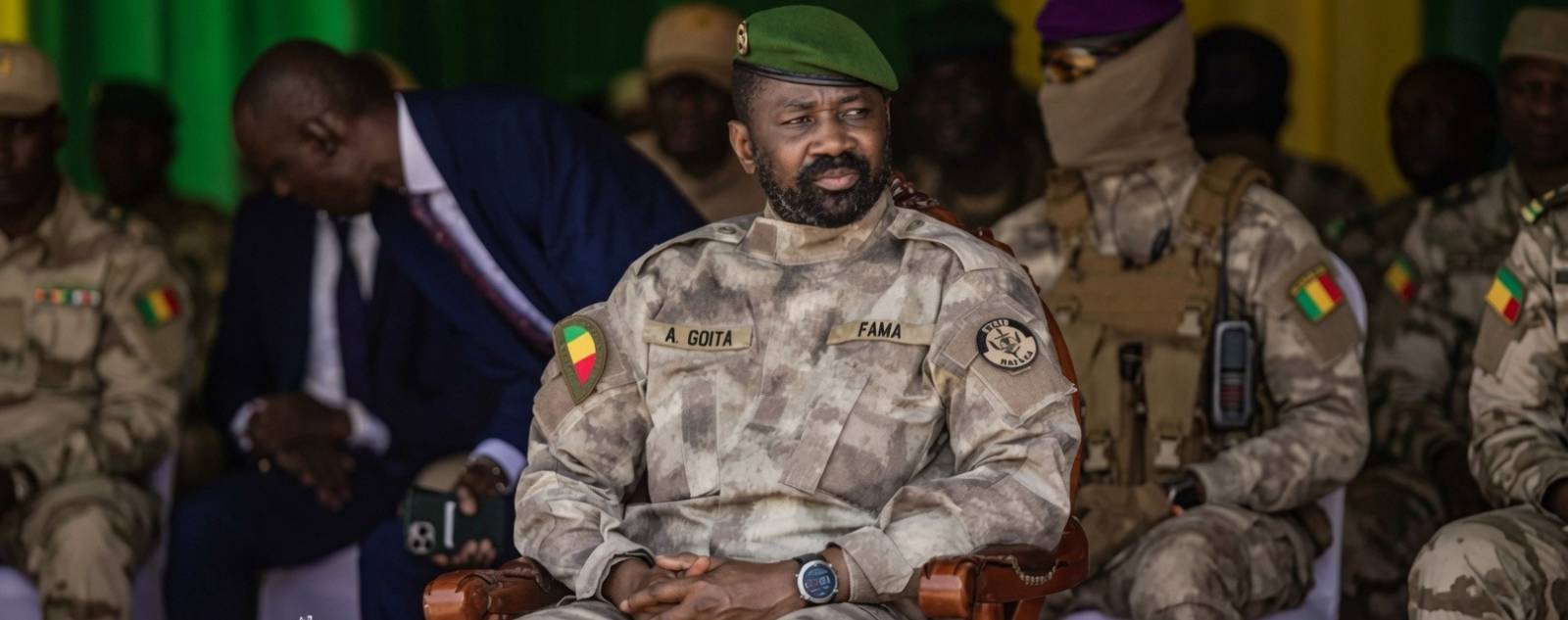
The military-led government has prioritized bolstering defense capabilities since assuming power, investing in new equipment, foreign security partnerships, and large-scale field operations. Yet, the persistence of attacks and targeted killings—like that of Cissé—highlights the limitations of an approach that relies primarily on force. Critics argue that a purely military response, while necessary in the short term, cannot address the deep-rooted causes of instability in Mali.
Experts point to systemic issues such as crumbling education systems, widespread youth unemployment, and stark economic disparities as key drivers of recruitment into armed groups. Strengthening access to quality education from early childhood, alongside job creation and inclusive governance, is increasingly seen as a vital countermeasure against extremist influence.
The government’s challenge is twofold: to continue improving national defense while simultaneously implementing policies that address the root causes of insecurity. A balanced strategy that integrates security, education, local development, and transparent governance may offer a more sustainable path forward in a nation where over a decade of conflict has eroded stability across the Sahel.
This latest wave of violence and targeted assassinations reveals a troubling evolution in the conflict. The threat is no longer confined to battlefield confrontations but extends to any voice perceived as opposing extremist narratives. For many observers, Mali’s future stability hinges not only on the military’s ability to contain armed groups but also on the state’s capacity to rebuild institutions, restore public trust, and provide young people with meaningful opportunities through education, employment, and civic engagement.


 Boureima Amadou