Mariama Hamani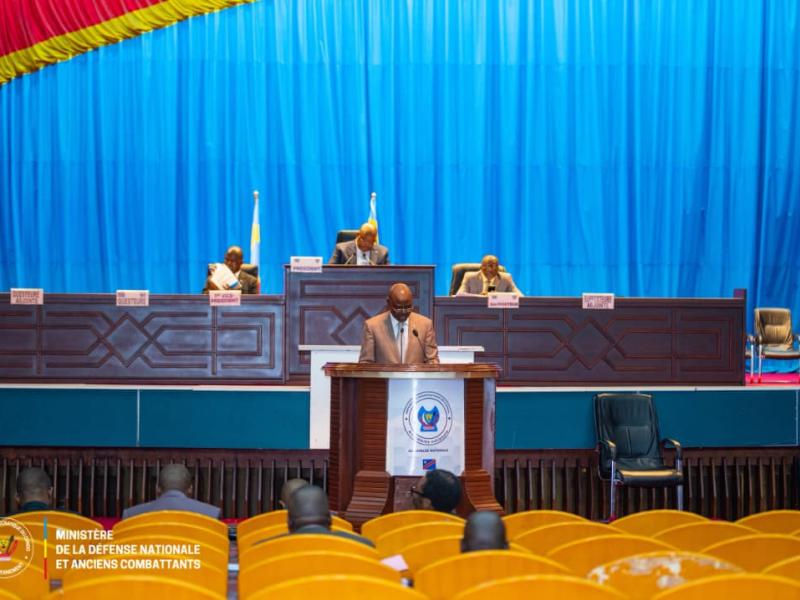
Democratic Republic of Congo begins review of 2027-2030 military programming law
- Politics
The Democratic Republic of Congo’s National Assembly has launched the examination of the 2027-2030 military programming bill, a critical financial and strategic framework designed to modernize and strengthen the Armed Forces of the Democratic Republic of Congo (FARDC).
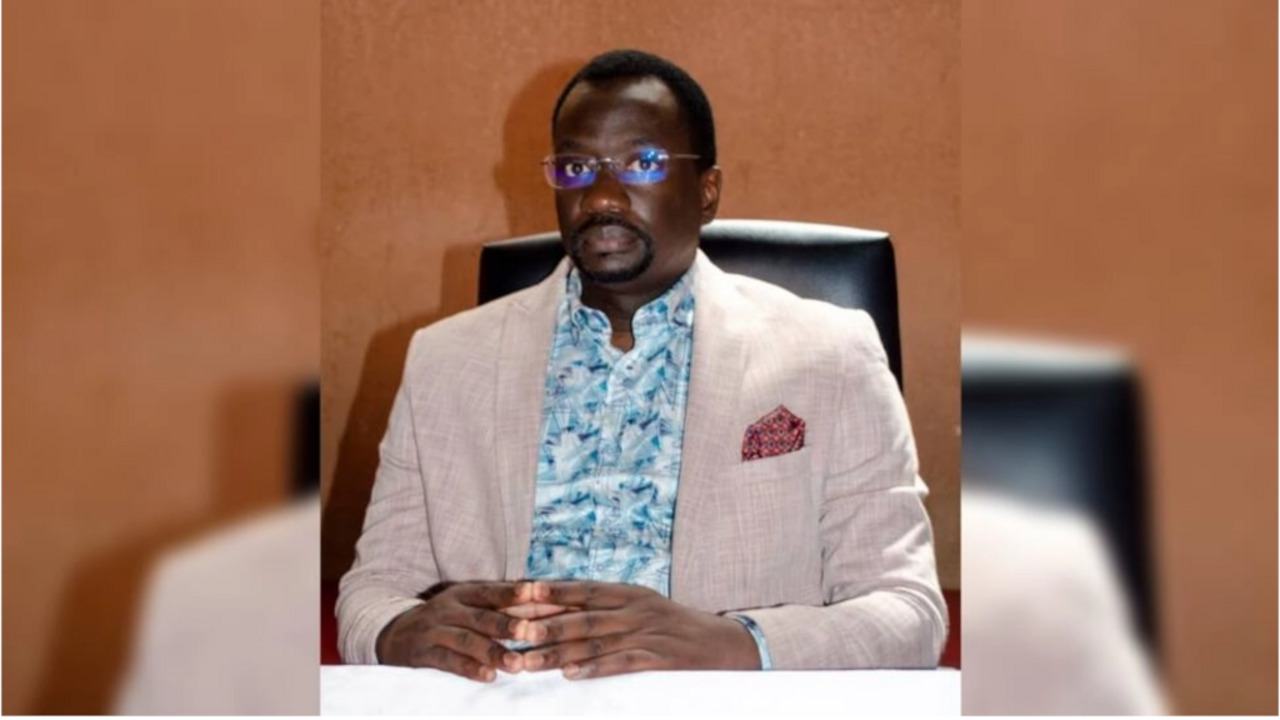
On Tuesday, July 14, 2026, Guy Kabombo Muadiamvita, Vice Prime Minister and Minister of National Defense and Veterans Affairs, presented this bill to parliamentarians following his official mission to Egypt. The proposed law aims to institutionalize the national defense budget, ensuring long-term planning for equipment acquisition, infrastructure modernization, and operational capacity building.
According to the Ministry of National Defense, this initiative builds on the previous 2022-2025 military programming law, which expired last year. The new framework seeks to address the shortcomings of its predecessor while aligning with President Félix Tshisekedi’s vision for a professional and modernized military. The bill introduces six key programs:
- General Administration: Prioritizing human resources as the foundation of national defense
- Training and Military Research: Enhancing professional capabilities
- Equipment and Materials: Modernizing the armed forces’ arsenal
- Infrastructure Development: Upgrading military facilities
- Operations and Intelligence: Strengthening military readiness and information gathering
- Defense Industry: Fostering domestic defense manufacturing
Speaking before lawmakers, Kabombo emphasized the need for adequate funding in the national budget to ensure the successful implementation of this programming. He also highlighted the Fonds de soutien au développement des FARDC (FSD-FARDC), a dedicated fund created by presidential decree to mobilize additional resources for defense sector development.
This legislative push comes at a critical juncture for the DRC, where security challenges in the eastern provinces continue to escalate. The resurgence of the M23 rebellion, allegedly supported by Rwanda, has led to widespread instability in North Kivu and South Kivu. Despite diplomatic efforts, including the Washington peace agreement mediated by the United States and the Doha process facilitated by Qatar, the security situation remains precarious.
Clément Muamba


 Boureima Amadou