
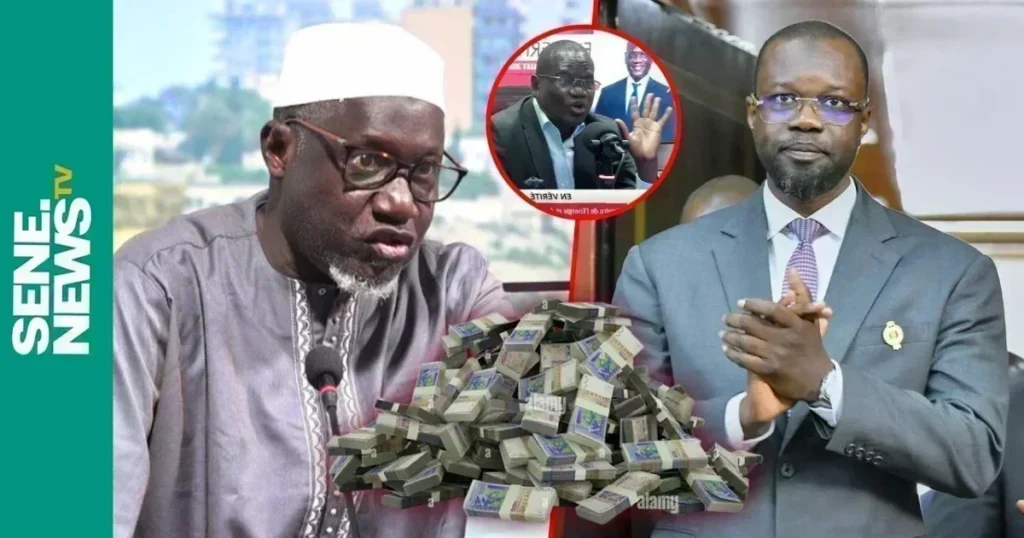
In a sharply worded rebuttal, Senegalese religious leader Imam Kanté has directly addressed the recent remarks made by Moundiaye Cissé regarding opposition figure Ousmane Sonko. The exchange has intensified discussions about the future direction of the country’s political landscape.
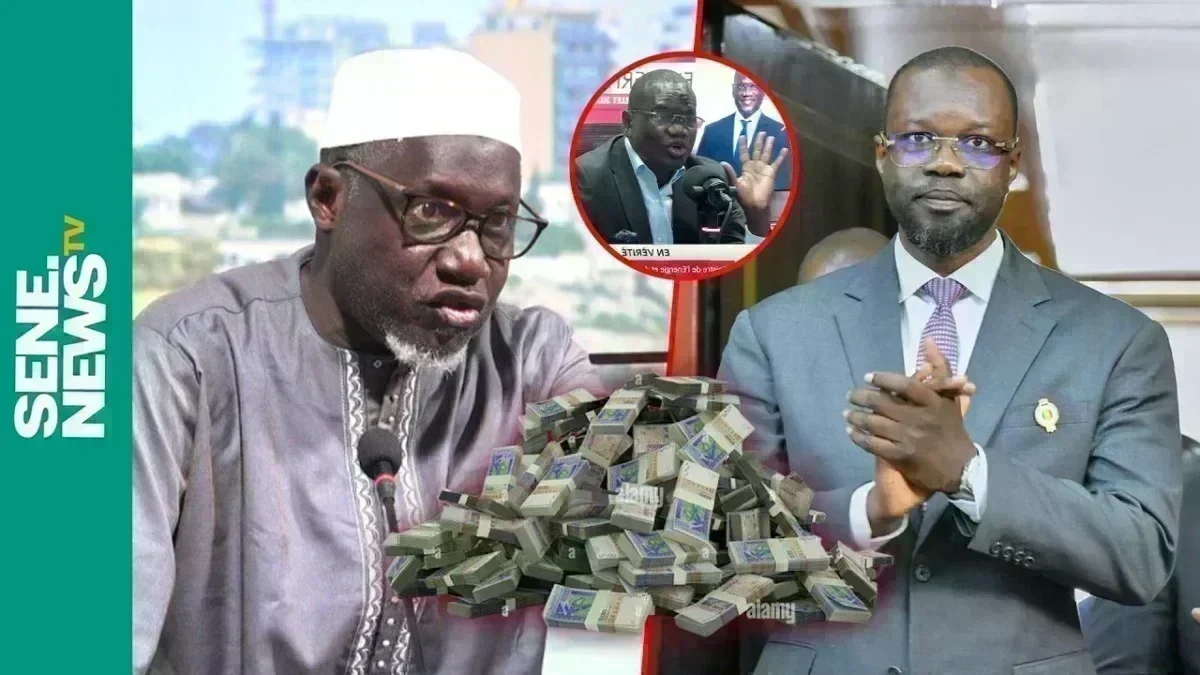
Kanté, known for his influence in Senegalese political discourse, clarified his stance on the controversial statements that have circulated in recent days. His response comes amid growing public interest in the evolving positions of key political actors in the country.
Why this response matters in Senegal’s political climate
As political tensions rise, Kanté’s intervention provides a fresh perspective on the ongoing national debates. His comments have sparked conversations about governance, public accountability, and the role of religious leaders in shaping national conversations.
Key points from Kanté’s statement
- Clarification on Ousmane Sonko’s role: Kanté addressed misconceptions surrounding Sonko’s political positioning and emphasized the importance of informed public debate.
- Response to Moundiaye Cissé: The religious leader directly refuted claims attributed to Cissé, calling for a more constructive dialogue among political figures.
- Call for unity: Kanté urged Senegalese citizens and leaders alike to prioritize national cohesion over divisive rhetoric.
The exchange has drawn attention from across the political spectrum, with many praising Kanté’s measured tone while others question the timing of his intervention. Regardless of perspective, his comments have undeniably added momentum to the ongoing political discussions in Senegal.
What’s next for Senegal’s political scene?
With the national conversation intensifying, all eyes are on how key figures like Kanté, Sonko, and Cissé will continue to shape the country’s political trajectory. Their interactions could influence public opinion and set the stage for future developments in Senegal’s governance and leadership.
More Stories
Imam Kanté fires back at Moundiaye Cissé over Ousmane Sonko remarks
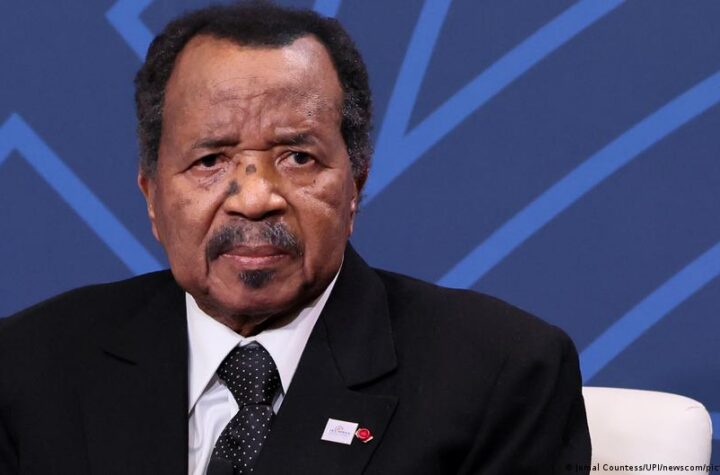
Health concerns of Paul biya stir debate in Cameroon
Morocco’s rise under King Mohammed VI’s leadership on global stage