Mariama Hamani
The latest political exchange in Senegal has taken a sharp turn as prominent religious leader Imam Kanté addresses comments made by Moundiaye Cissé regarding opposition figure Ousmane Sonko. This unfolding debate offers fresh insights into the nation’s evolving political discourse.
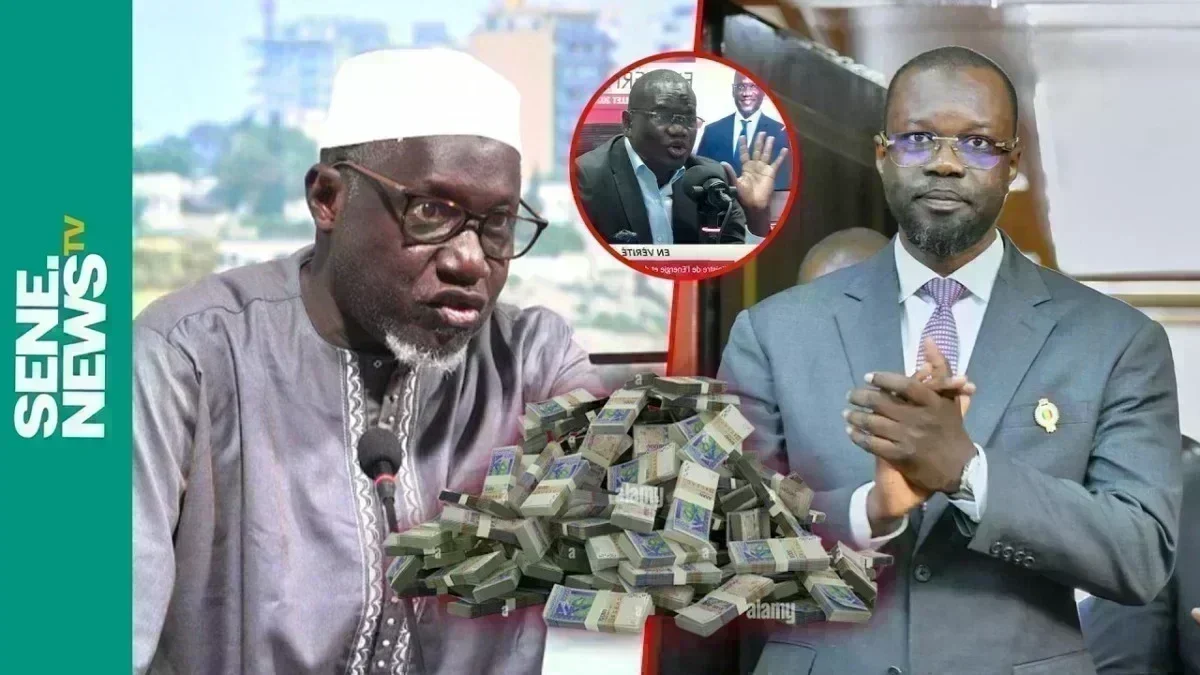
In a bold and unfiltered statement, Imam Kanté has publicly countered claims circulating about Ousmane Sonko, a key opposition leader in Senegal. The religious figure, known for his influence in political spheres, took direct aim at Moundiaye Cissé’s recent assertions, framing them as misleading and politically motivated.
The Imam’s response comes at a critical juncture in Senegal’s political landscape, where tensions between government and opposition forces have intensified. By challenging Cissé’s narrative, Kanté is positioning himself as a moral voice in the debate, amplifying concerns over transparency and accountability in public discourse.
Why this exchange matters in Senegal’s political climate
The confrontation between Imam Kanté and Moundiaye Cissé underscores deeper divisions within the country’s political environment. Sonko, a polarizing yet influential figure, has been at the center of several high-profile controversies, making any discussion about his actions or statements a lightning rod for national attention.
Moundiaye Cissé, a commentator often aligned with government narratives, had recently questioned Sonko’s motives and policies, sparking a wave of reactions across media platforms. Imam Kanté’s rebuttal adds another layer to this ongoing dialogue, highlighting the role of faith-based leaders in shaping public opinion and political narratives.
Key points from Imam Kanté’s statement
- Rejection of politically charged accusations: Kanté dismissed claims targeting Sonko as baseless and designed to distract from more pressing national issues.
- Call for unity: He urged political actors to prioritize national cohesion over partisan conflicts, stressing that Senegal’s future depends on collective responsibility.
- Defense of opposition voices: The Imam emphasized the importance of allowing opposition figures like Sonko to operate within legal and democratic frameworks, warning that suppressing dissent could destabilize the nation.
This exchange is not just a clash of personalities but a reflection of the broader struggle for influence in Senegal’s evolving political arena. As Imam Kanté and Moundiaye Cissé continue to spar, observers are watching closely to see how these dynamics will impact the country’s democratic processes and future governance.


 Boureima Amadou