Mariama Hamani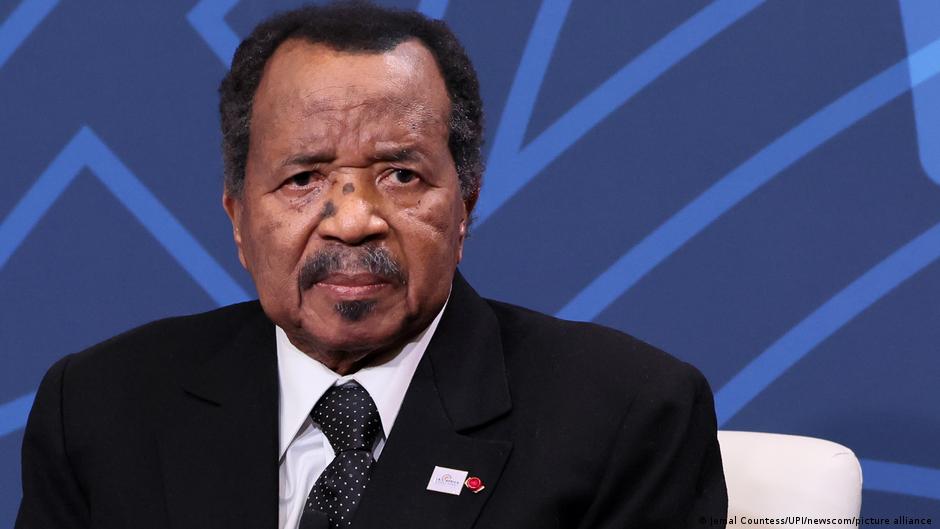
Paul Biya’s health sparks heated discussions in Cameroon
Legal framework and human rights concerns
The verdict against Patrick Mengue stems from Cameroon’s Penal Code, which criminalizes defamation, insults, and contempt against public figures or institutions. Critics argue these laws are frequently used to silence dissent. Defense attorney Batang Kolon expressed dismay, stating, “This isn’t about interpretation—it’s a strict application of the law. We’re now seeing even prayers being criminalized.”
Mengue’s conviction coincides with growing public unease over President Biya’s prolonged absence from Cameroon. While the Head of State remains abroad, no official updates on his health status have been provided, fueling speculation.
Precedents of legal actions against critics
This case follows a pattern of prosecutions targeting vocal critics:
- 2017: Writer and academic Patrice Nganang was arrested after criticizing the Anglophone crisis and President Biya.
- 2019: Activist Sébastien Ebala was detained for multiple critical posts about the president.
- 2010: Journalist Jean Bosco Talla received a suspended one-year sentence and a hefty fine for publishing a rumor about the president’s health.
Freedom of expression under scrutiny
Human rights advocates condemn these prosecutions as systematic suppression of dissent. Cyrille Rolande Bechon, head of the NGO Les Nouveaux Droits de l’Homme, emphasized that “Many like Mengue are jailed simply for expressing political views. This verdict is unjust and deeply troubling.”
Government officials counter that these laws protect institutions and public order. However, the timing of Mengue’s sentencing has intensified scrutiny on Cameroon’s press freedom and legal system.


 Boureima Amadou