Boureima Amadou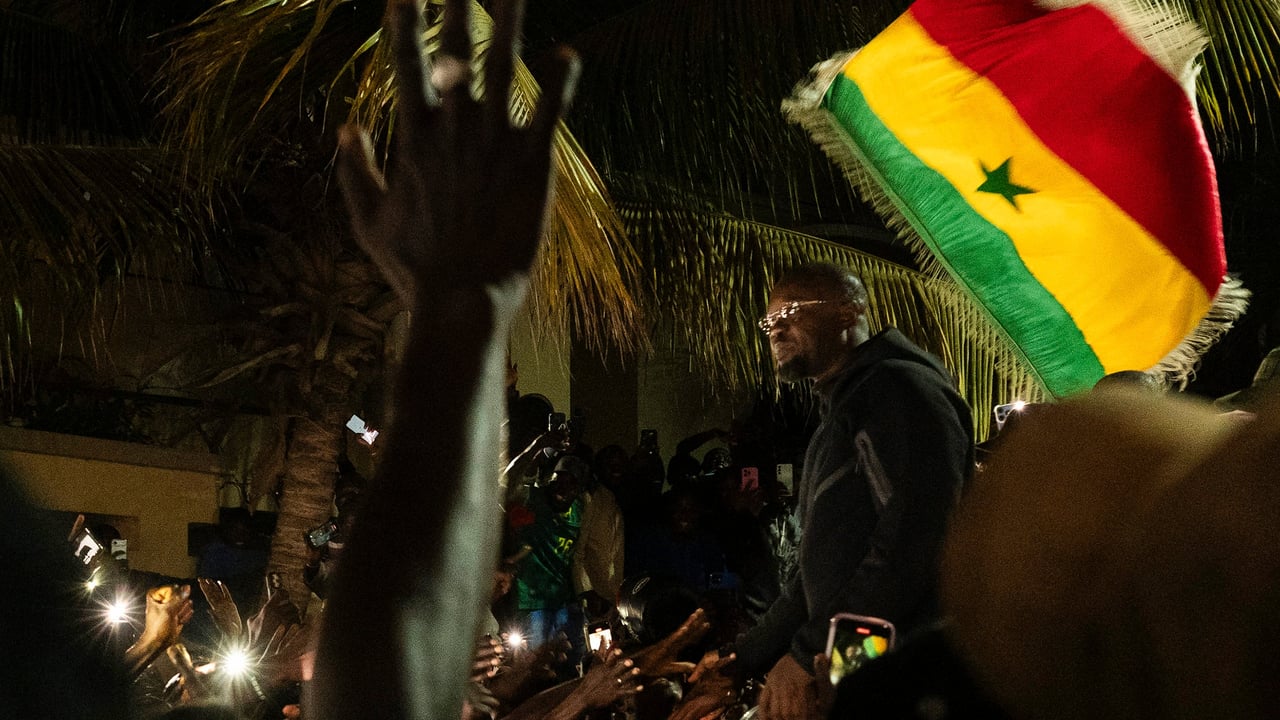

Senegal’s political landscape has undergone a profound transformation, marked by the ascension of President Bassirou Diomaye Faye and Prime Minister Ousmane Sonko. Their journey from prominent opposition figures to the highest offices of the state has ushered in a new era for the nation and its African governance.
a new chapter for senegalese leadership
For an extended period, the political alliance between Faye and Sonko, operating under the banner of the Pastef party, appeared indissoluble. They represented a unified front, passionately advocating for significant systemic reforms and a renewed national direction. This shared commitment and vision resonated powerfully with a substantial segment of the Senegalese populace, culminating in a historic electoral victory that defied many expectations.
navigating the “improbable cohabitation”
Now, with Bassirou Diomaye Faye in the presidential palace and Ousmane Sonko leading the government as Prime Minister, their political “cohabitation” presents a truly unique and, as some suggest, “improbable” dynamic. While their bond was forged in the common struggle against the previous establishment, their current roles demand distinct constitutional responsibilities and leadership prerogatives within the framework of African current affairs and national policy implementation.
The sentiment encapsulated by the phrase “when Diomaye is no longer Sonko” keenly highlights this subtle yet crucial shift. President Faye now wields ultimate executive authority, setting the national agenda and making pivotal decisions. Concurrently, Prime Minister Sonko is entrusted with the day-to-day execution of government policies and administrative oversight. This inherent division of labor, though clearly delineated by the constitution, naturally introduces new layers of complexity to their relationship. Sustaining unity and ensuring effective governance for Senegal will require astute political navigation and a shared commitment to their collective mandate.
Observers across the continent are closely monitoring how this formidable duo will manage their respective mandates. The success of their administration, and indeed the future trajectory of Senegalese governance, will largely hinge on their capacity to harmonize efforts, adapt to the evolving demands of power, and deliver on the aspirations of the Senegalese people.