Mariama Hamani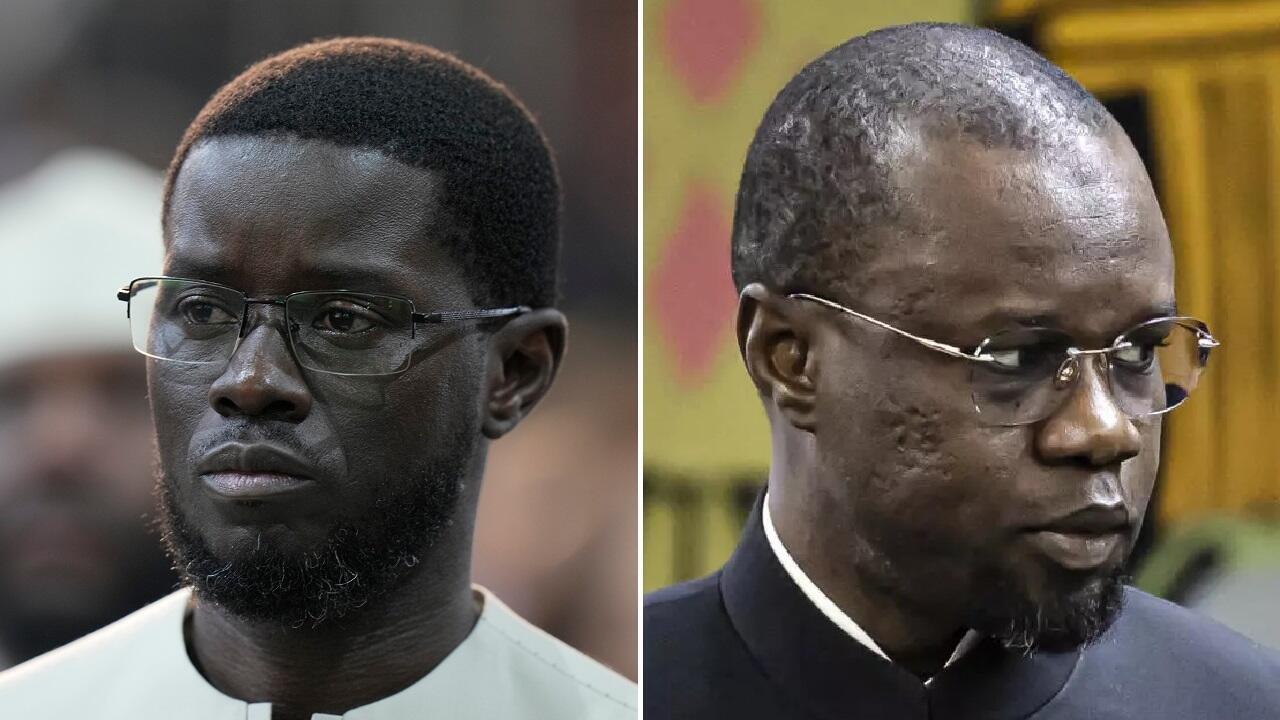
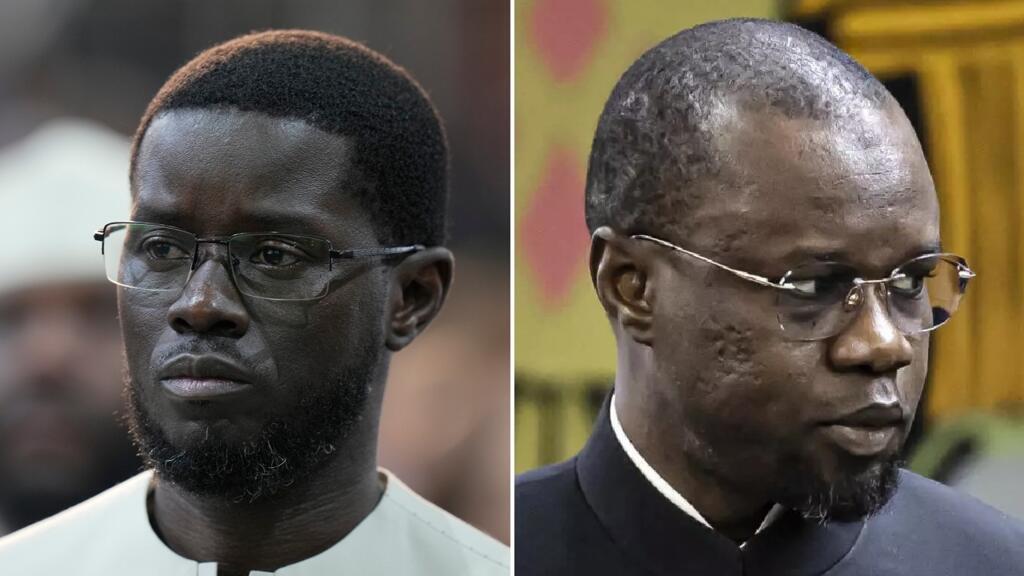
Just four days after being dismissed as Prime Minister by President Bassirou Diomaye Faye, opposition leader Ousmane Sonko reclaimed his parliamentary seat and was immediately elected President of Senegal’s National Assembly. In his first public statement following the vote, Sonko reiterated his willingness to engage in dialogue with the head of state.
The sudden political shift marks a new chapter in Senegal’s governance, with Sonko’s elevation to the Assembly’s top post raising questions about the future direction of the country’s legislative and executive branches. Political analysts note that his appointment could reshape the balance of power in Dakar’s corridors of influence.
From dismissal to leadership: Sonko’s rapid political rebound
The ousting of Sonko as Prime Minister on was followed by a swift political comeback. His party, Pastef, secured his reinstatement as a deputy before he was unanimously chosen to lead the National Assembly. The move signals a potential shift in the government’s relationship with the opposition, despite recent tensions.
Sonko’s conciliatory tone in his acceptance speech—emphasizing cooperation with President Faye—has drawn attention from political observers. Some see it as a strategic move to consolidate influence, while others interpret it as an olive branch extended to the ruling coalition.
Analysts weigh in on Sonko’s new role
The appointment has sparked debate about Senegal’s political landscape. Gilles Yabi, founder of the citizen think tank Wathi, suggests that Sonko’s leadership could either foster greater legislative independence or deepen political divisions, depending on how the executive branch responds.
Key factors to watch include Sonko’s ability to rally support across party lines and whether his presence in the Assembly will lead to more robust oversight of government policies. His background as a former Prime Minister—even if brief—adds weight to his new position, giving him unique insight into the challenges facing the administration.
As Senegal navigates this unexpected transition, the coming weeks will reveal how Sonko’s leadership shapes the nation’s political trajectory. Will his conciliatory approach bridge divides, or will it fuel further polarization? The answer may redefine governance in the country for years to come.


 Boureima Amadou