Boureima Amadou
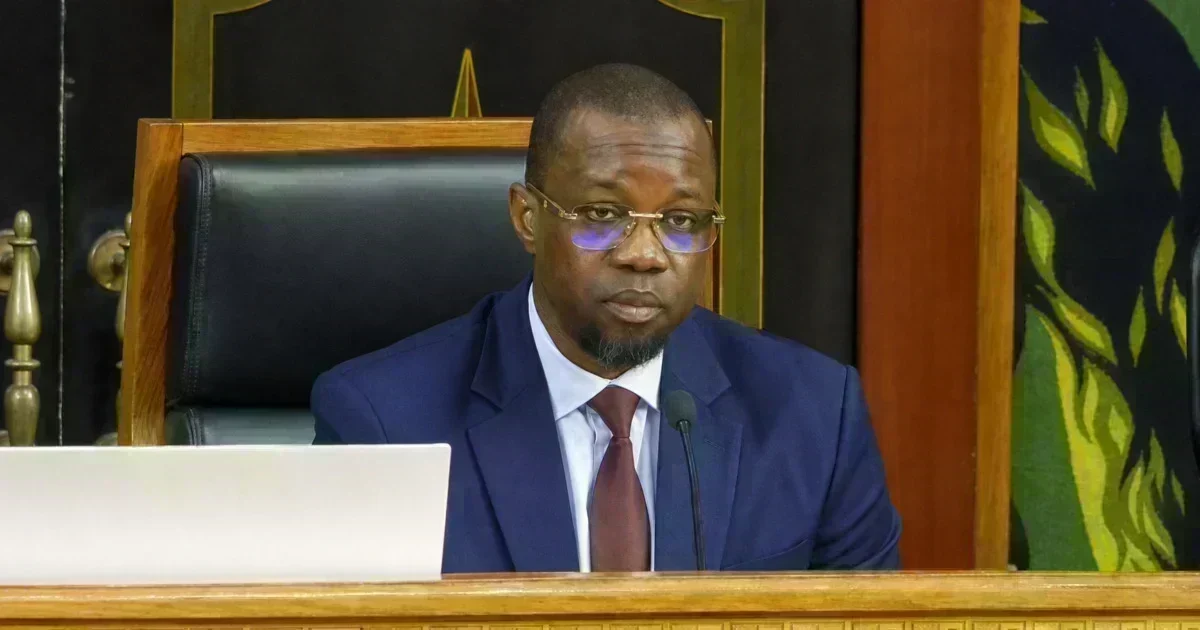
In Senegal, Prime Minister Ousmane Sonko has shortened the parliamentary recess for lawmakers, cutting short the traditional summer break. The decision, announced just weeks before the usual end of the recess, forces legislators to return to the Soweto Square hemicycle earlier than planned. This move aligns with the Diomaye Faye–Sonko administration’s pledge to swiftly translate campaign promises from the 2024 presidential election and the subsequent early legislative elections into law.
Tighter parliamentary schedule to fast-track key reforms
The Prime Minister’s decision is more than a mere scheduling adjustment—it underscores the executive’s determination to maintain momentum in legislative work. Since the new National Assembly, led by the Pastef coalition, convened, the government has pushed forward multiple bills spanning public governance, taxation, and accountability. By reducing recess time, lawmakers gain additional weeks to review pending legislation before the formal start of the ordinary session.
This approach reflects Ousmane Sonko’s institutional vision, which prioritizes seamless continuity between legislative and executive actions. Under his guidance, the parliament is expected to function without prolonged pauses that could hinder the implementation of the government’s economic and social agenda. Technical committees have been instructed to resume hearings and finalize assessments of bills submitted by the government’s general secretariat.
A strategic political move for majority and opposition
The timing of this decision carries significant political weight. It arrives amid a tense parliamentary climate, where sharp exchanges between the presidential majority and opposition groups continue over the management of the previous administration’s affairs. By recalling lawmakers early, the executive signals its expectation of a highly engaged majority—one prepared to support audits and investigations stemming from reports by the Court of Auditors and the Inspectorate General of State.
For the opposition, the accelerated schedule raises concerns about the thoroughness of deliberations. Several lawmakers have recently criticized the perceived rush in emergency procedures, particularly in financial matters. Yet, the Senegalese Constitution grants the government broad authority to convene extraordinary sessions or adjust legislative workflows, in coordination with the National Assembly’s presidency.
Economic and budgetary stakes behind the decision
Beneath the surface of the recess debate lies a critical economic agenda. The government must finalize the 2025 budget bill amid challenging fiscal conditions, including revised growth forecasts and ongoing negotiations with international financial partners. The early return of legislators allows for earlier deliberations on spending priorities, tax policy directions, and public debt management—all high-stakes issues for the new administration.
Additionally, the Prime Minister’s office aims to advance long-term initiatives such as the reform of territorial administration, the overhaul of mining legislation, and the renegotiation of oil and gas contracts. These complex texts require in-depth committee work, and gaining even a few weeks is valuable. Economic circles in Dakar are closely monitoring these discussions, which will shape the regulatory clarity essential for attracting investors.
In the coming days, the Assembly’s presidents’ conference will outline the revised plenary sessions and agenda. While details remain pending, the Prime Minister’s office has formally notified lawmakers of the shortened recess through official channels.


 Mariama Hamani