
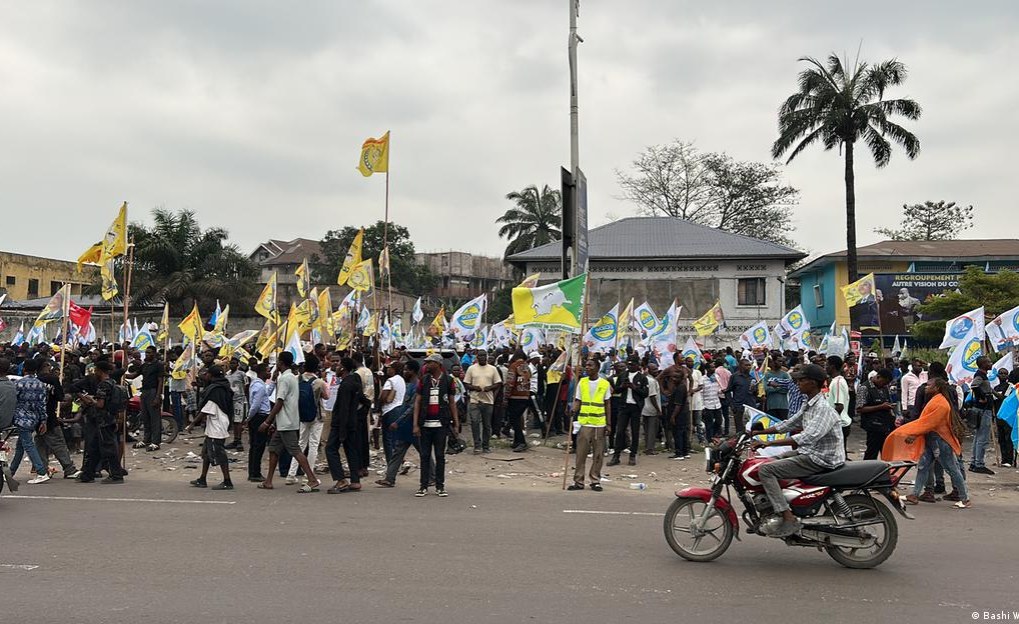
Following their recent engagement with Burundian President Évariste Ndayishimiye, the Coalition Article 64 (C64), a prominent voice for constitutional order in Congo-Kinshasa, held a critical debriefing on Thursday, July 9, 2026, to detail their discussions in Bujumbura.
Accusations had emerged suggesting C64 leaders were trading their convictions for a closer relationship with the Tshisekedi administration. However, figures such as Martin Fayulu and his colleagues moved swiftly to dispel these concerns. They clarified that their meeting with President Ndayishimiye was not at their behest; rather, it was initiated by the Burundian head of state in his capacity as the acting chairperson of the African Union. While the C64 leadership embraced the underlying principle of political dialogue and national cohesion, as proposed by their host, they made it unequivocally clear that such engagement would be contingent upon several non-negotiable prerequisites.
For any genuine dialogue to proceed, C64 insists on the public and definitive abandonment of any proposed constitutional amendments. Furthermore, they demand the immediate release of all political prisoners, an end to all politically motivated legal proceedings, and the full restoration of public liberties. While expressing a clear interest in fostering dialogue, the C64 leadership emphasized that certain fundamental principles remain inviolable and beyond negotiation.
These core tenets include unwavering respect for the Constitution, adherence to the rule of law, and the absolute safeguarding of the Congolese people’s sovereignty. The coalition firmly believes that the current stagnation in the Democratic Republic of Congo stems from previous peace initiatives failing to adequately address the profound political dimensions of the crisis, leaving its deep-seated causes unresolved.
A primary political concern, according to C64, is the Tshisekedi regime’s persistent pursuit of constitutional changes, particularly amidst ongoing conflict and the occupation of parts of the national territory. They reiterated their steadfast opposition to any constitutional revision, advocating instead for the strict observance of the established institutional order. These crucial demands are expected to be amplified during their peaceful march scheduled for July 22, heading towards the Palais de la Nation. The demonstration aims to press for the resignation of President Félix Tshisekedi, whom they accuse of having betrayed his constitutional oath, a significant matter in African governance and current affairs across the continent.
More Stories
Thierno Bocoum demands full disclosure on Senegal’s new IMF deal
Ousmane sonko demands transparency on Senegal’s new imf agreement
Senegal’s political crossroads: the institutional friction between Ousmane Sonko and Bassirou Diomaye Faye