Mariama Hamani
Why did Senegal forfeit the Africa Cup of Nations 2025 title to Morocco?
Following a disputed final in the Africa Cup of Nations 2025, the CAF revoked Senegal’s title and awarded it to Morocco. Discover the sequence of events and the legal battle now unfolding at the Court of Arbitration for Sport.
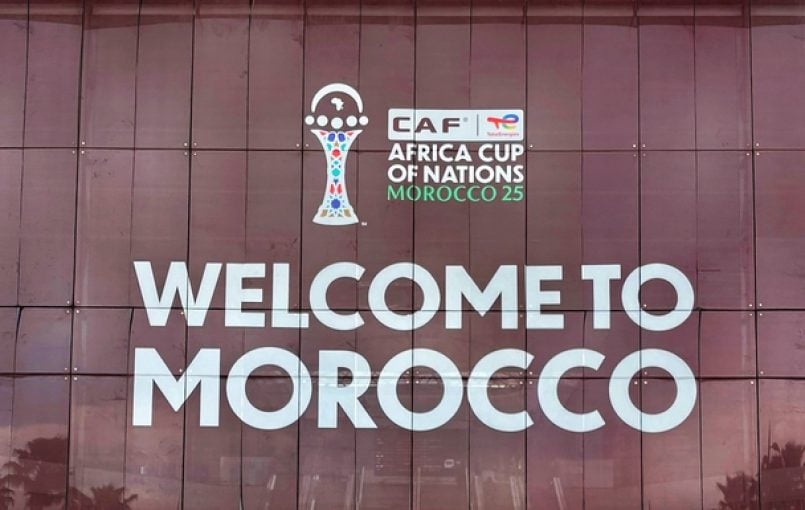
Understanding the CAF’s decision to strip Senegal of the CAN 2025 title
The final of the 2025 Africa Cup of Nations saw Senegal clinch a dramatic victory over hosts Morocco on January 18, 2025. However, the match was overshadowed by contentious refereeing decisions and allegations of bias within the Confederation of African Football (CAF). These controversies led the CAF to issue statements reaffirming its commitment to fairness and transparency.
The final was marred by a series of incidents. A goal for Senegal was disallowed in the 92nd minute, followed by a controversial penalty awarded to Morocco in the 98th minute. In protest, the Senegalese team abandoned the pitch and later returned to score the winning goal in extra time. The Royal Moroccan Football Federation argued that such behavior violated the CAN regulations, specifically Articles 82 and 84, which state that a team refusing to play or leaving the field without referee permission is deemed to have forfeited the match (3-0 loss).
On January 28, 2025, the CAF’s disciplinary jury dismissed the Moroccan federation’s complaint. However, the Moroccan side appealed to the CAF Appeal Jury, which ruled on March 17, 2026, that Senegal had violated Article 82 by abandoning the field. Consequently, the result was overturned to a 3-0 victory for Morocco. Senegal has since appealed to the Court of Arbitration for Sport (TAS).
Key legal arguments in the Senegalese appeal
The Senegalese appeal hinges on two critical legal points. First, it challenges the interpretation of the CAN regulations, particularly whether the team’s actions constituted a refusal to play or a temporary protest. The appeal argues that the CAF Appeal Jury’s decision misapplied the rules by equating a brief walk-off with an outright forfeit.
Second, the appeal invokes FIFA’s principles, asserting that the referee—rather than disciplinary bodies—should have the final say on match continuity. Senegal contends that the CAF’s retroactive disqualification undermines the immediate authority of match officials and introduces legal uncertainty into the tournament.
What’s next for the Senegalese appeal?
The CAF’s statutes (Article 48.7) state that TAS appeals do not suspend the original decision. Thus, the 3-0 ruling remains in effect until the TAS delivers its verdict. The appeal’s initial phase focuses on procedural validity, including Senegal’s request to extend deadlines until the CAF provides a detailed ruling.
The TAS will examine two core arguments: whether Senegal’s actions violated the CAN regulations and whether the CAF’s disciplinary process respected FIFA’s principles on referee authority. Past rulings, such as CAS 2019/A/6483 and CAS 2020/A/6907, show the TAS may either uphold the CAF’s decision or annul it entirely. The outcome will depend on the panel’s interpretation of the rules and precedents.


 Boureima Amadou