Mariama Hamani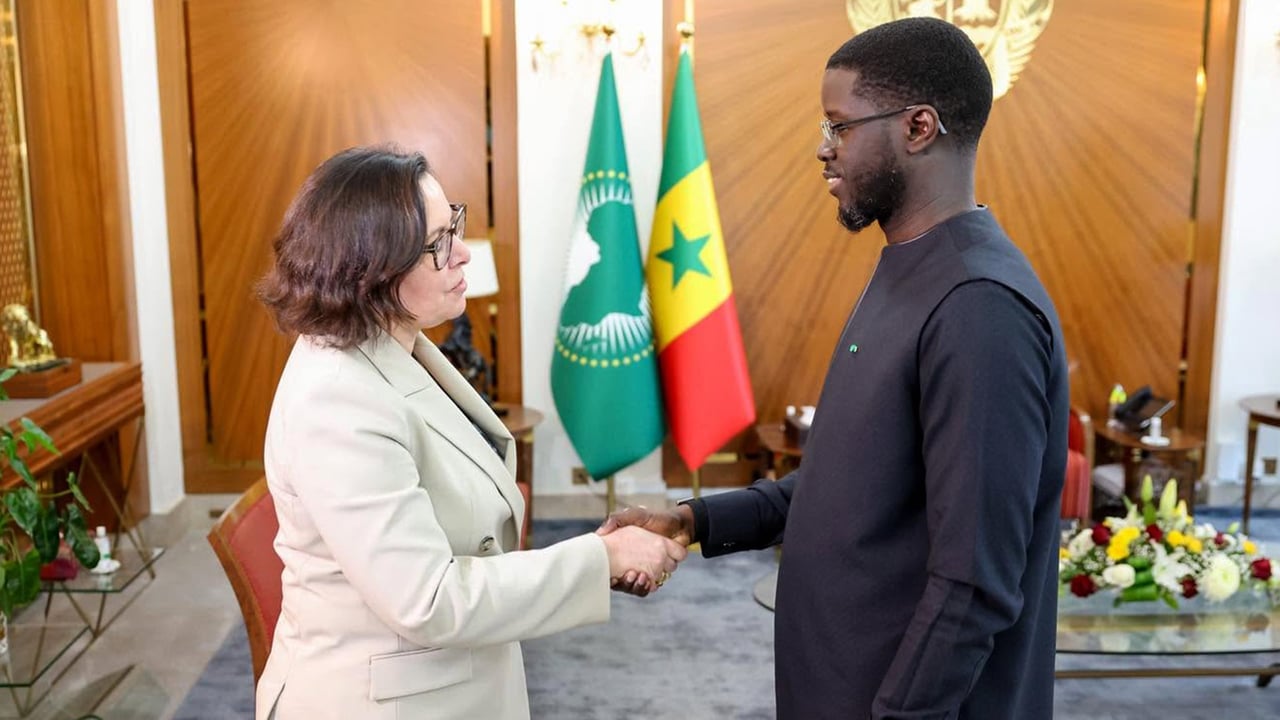

Senegal’s debt talks with IMF: critical insights from Dakar meetings
The International Monetary Fund’s recent mission to Dakar has brought renewed focus on Senegal’s debt situation. High-level discussions between the IMF team, led by Mercedes Vera Martin, and President Bassirou Diomaye Faye have highlighted key priorities for the West African nation’s economic trajectory. Here’s what emerged from these pivotal negotiations.
Debt transparency tops the agenda
The IMF delegation emphasized the urgent need for Senegal to address its hidden debt issues, which have raised concerns about long-term fiscal sustainability. Transparency in debt management was a recurring theme, with both parties agreeing on the necessity of clear financial reporting to restore investor confidence.
The government’s commitment to restructuring its debt portfolio was met with cautious optimism by the IMF team. A senior official noted, “Senegal is taking proactive steps to align its debt strategy with international standards, but challenges remain in balancing short-term obligations with long-term growth objectives.”
Policy reforms in focus
Beyond debt management, the IMF mission assessed Senegal’s broader economic reforms. Key areas under review included:
- Public expenditure efficiency: Streamlining government spending to reduce waste and improve service delivery.
- Revenue mobilization: Enhancing tax collection mechanisms to boost state income without overburdening citizens.
- Structural adjustments: Implementing reforms in critical sectors like energy and agriculture to drive productivity.
The IMF’s preliminary findings suggest that while progress has been made, structural bottlenecks continue to hinder Senegal’s economic potential.
Next steps and potential outcomes
The IMF and Senegal’s government are expected to finalize a roadmap for debt restructuring and reform implementation in the coming weeks. Potential outcomes of these talks include:
- A new financing arrangement to support Senegal’s development projects.
- Technical assistance to strengthen debt management institutions.
- Monitoring mechanisms to ensure compliance with agreed-upon reforms.
The success of these negotiations could significantly impact Senegal’s credit rating and access to international markets. Investors will closely watch the government’s next moves as it navigates this critical phase.
What this means for Senegalese citizens
The outcome of these IMF talks will have direct implications for everyday Senegalese. A well-structured debt plan could free up resources for social programs, infrastructure, and job creation. However, stringent reforms may also lead to temporary austerity measures, requiring careful balancing by policymakers.
As Dakar continues to serve as a hub for economic diplomacy in the region, the decisions made in these meetings will shape Senegal’s financial future for years to come.

 Boureima Amadou