Boureima Amadou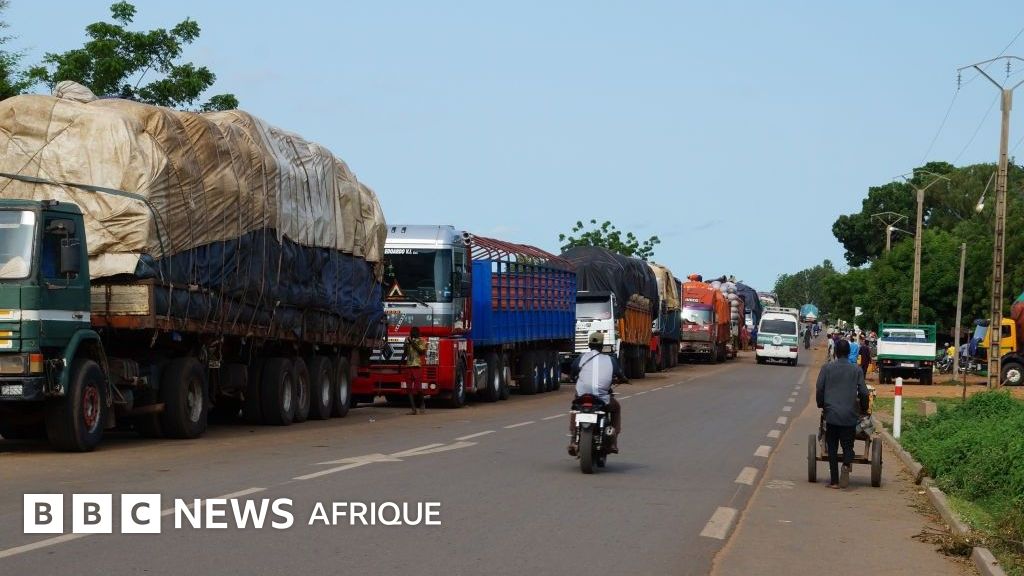
After three years of strained relations marked by a closed border, Niger and Benin have taken a decisive step toward reconciliation. High-level talks in Cotonou over the weekend yielded significant progress on key issues, signaling the dawn of a new chapter in bilateral cooperation between the two West African neighbors.
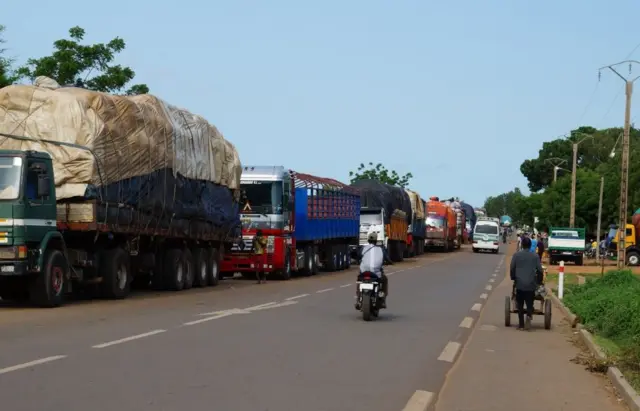
breaking through diplomatic impasse with security and trade agreements
A Nigerian delegation led by Interior Minister General Mohamed Toumba engaged in intensive 48-hour negotiations with their Beninese counterparts in Cotonou. The meetings concluded with mutually beneficial agreements addressing longstanding disputes that had kept the 1,498-kilometer border closed since July 2023.
The breakthrough encompasses several critical areas:
- Enhanced security cooperation: Strengthened joint patrols and intelligence sharing to combat cross-border threats
- Tax-free transit: Elimination of tariffs on goods passing between the two nations
- Trade facilitation: Streamlined customs procedures and reduced bureaucratic hurdles
- Dispute resolution: Establishment of mechanisms to address outstanding commercial disagreements
- Regional stability: Commitment to coordinate counter-terrorism efforts along vulnerable border zones
General Toumba emphasized the historic nature of these developments, stating: “We have secured our primary security objectives while laying the groundwork for economic normalization. This dialogue creates tangible value for our economies, security for our citizens, and hope for our youth.”
Benin’s new leadership drives thaw in frosty relations
The diplomatic thaw follows a leadership change in Benin, where President Romuald Wadagni assumed office in April. His proactive engagement with Niger began just one week into his presidency with an official visit to Niamey on June 2nd, marking the first step toward breaking the ice that had gripped bilateral relations for three years.
Within three weeks of that landmark meeting between Presidents Abdourahmane Tiani and Romuald Wadagni, both governments have moved swiftly to implement the commitments outlined in their joint communiqué. The agreement established a joint commission tasked with examining the circumstances that led to the 2023 border closure while pledging to remove all obstacles to enhanced cooperation.
Benin’s Industry and Trade Minister Oleshegun Adjadi Bakari reflected on the progress: “After 48 hours together, we now form one delegation with a single objective: to rekindle the age-old bond between our peoples.” The minister highlighted restored confidence as the foundation for renewed economic vitality.
understanding the roots of a three-year rift
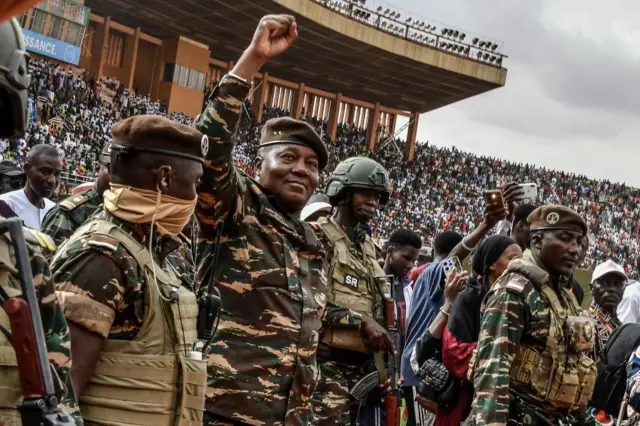
The current crisis traces back to July 2023 when Niger experienced a military takeover that replaced President Mohamed Bazoum. The new junta, led by General Abdourahmane Tiani, accused Benin’s former administration and other regional leaders of plotting military intervention under ECOWAS auspices to restore constitutional order.
Accusations flew from both sides, with Niamey claiming Cotonou hosted French troops preparing for an invasion—a charge consistently denied by both Benin and Paris. The tensions escalated with mutual allegations of supporting armed groups and failed coup attempts against President Patrice Talon in December 2023.
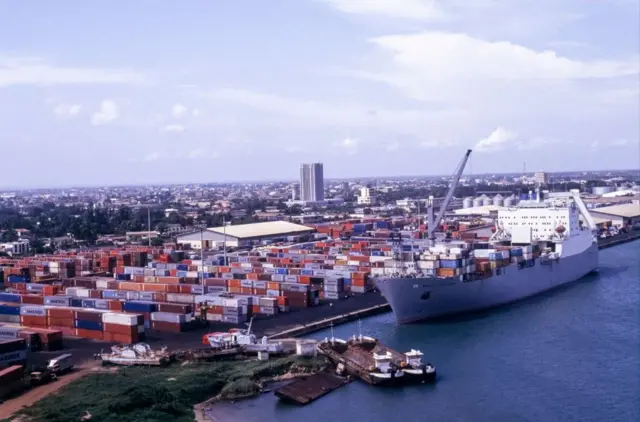
The diplomatic rupture deepened when ECOWAS imposed sanctions following Niger’s coup, including regional border closures that directly impacted Benin-Niger trade. The economic fallout proved devastating for both nations, particularly for landlocked Niger, which relies heavily on Benin’s Cotonou port for international commerce.
economic fallout from diplomatic estrangement
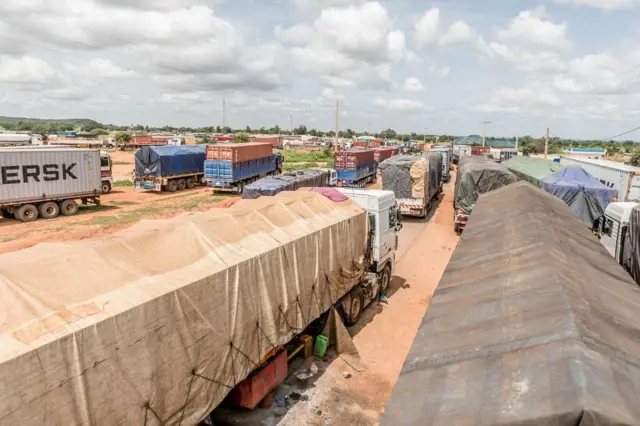
The border closure transformed what was once one of West Africa’s busiest commercial corridors into a geopolitical fracture line. Both nations have borne the brunt of this standoff, which has disrupted regional cooperation and strained economies on both sides of the border.
Ibrahim Abou Koura, a Nigerian transporter based in Cotonou, described the human impact: “My once-bustling warehouse handling goods bound for Niger now stands nearly empty. This isn’t just an economic crisis—it’s our communities that are suffering.”
The closure particularly devastated transport operators who previously relied on the Niger-Benin corridor as the safest, most profitable route. Gamatie Mahamadou, Secretary-General of Nigerian truckers, noted that landlocked Niger depends critically on Cotonou’s port, where cargo handling has plummeted since the border closed.
The crisis forced Niger to reroute its trade through Togo’s Lomé port, adding thousands of kilometers to transport routes and exposing drivers to increased security risks in Burkina Faso, where jihadist attacks remain a daily threat. The alternative route has significantly increased operational costs for Nigerian businesses already struggling with reduced revenues.
Benin’s economy has also suffered, with Cotonou port experiencing a sharp decline in activity. The suspension of Nigerien oil loading permissions at the Seme-Kpodji facility—via the 2,000-kilometer pipeline managed by Chinese company WAPCO—further compounded the economic damage. Many traders have shifted their operations to Lomé, permanently altering regional trade patterns.
As both countries prepare to ratify these new agreements, the imminent border reopening promises to revitalize the Niger-Benin commercial artery. For thousands of stranded truckers, merchants, and communities on both sides, this diplomatic breakthrough represents more than just reopened roads—it offers a path back to economic stability and regional integration.