Mariama Hamani
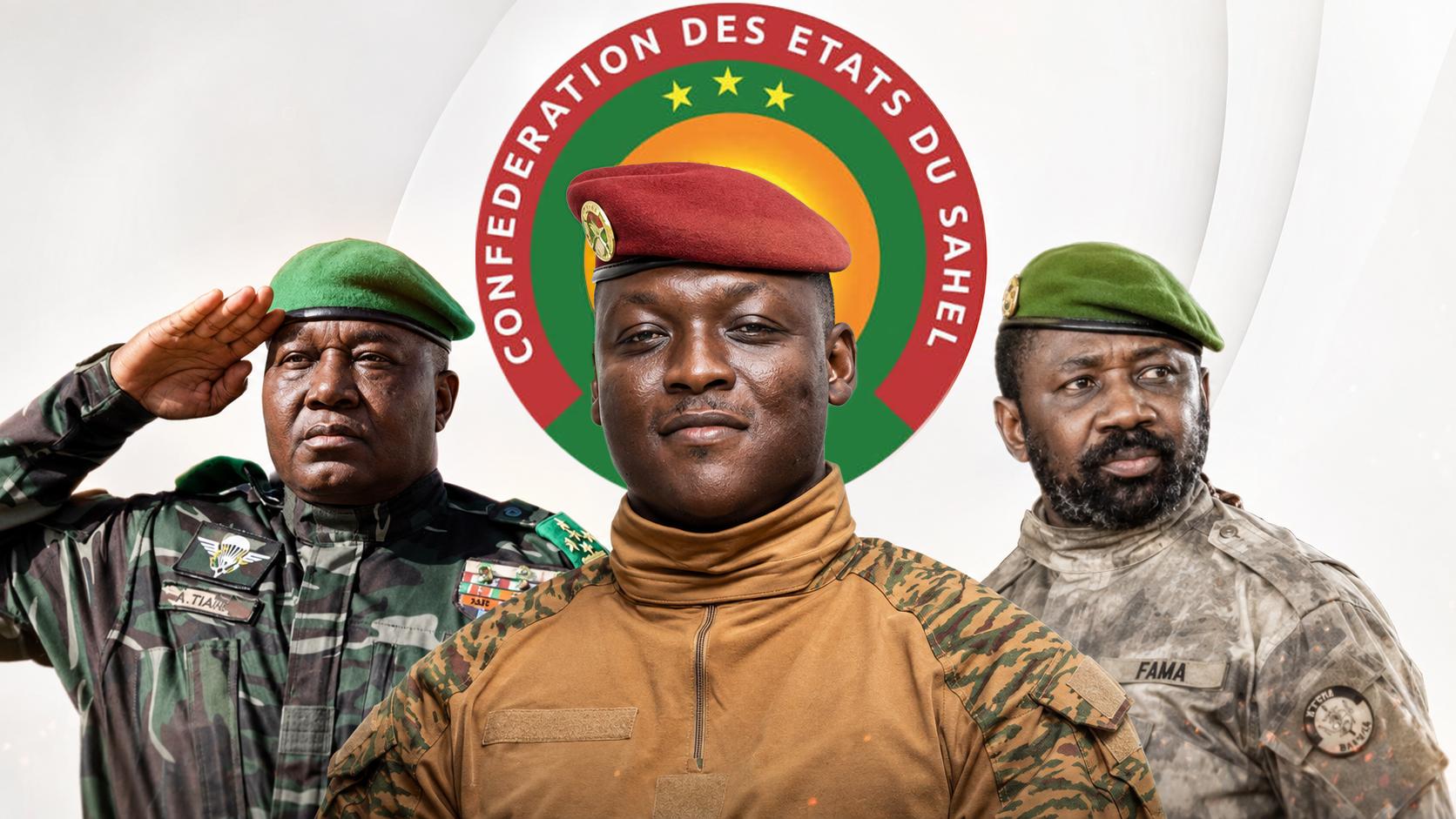
The military juntas of the Sahel – Mali, Burkina Faso and Niger – once promised their people a new era of self-reliance after ousting French and Western forces. Yet, the emergence of the Africa Corps, Moscow’s official rebrand of the Wagner Group, has shifted dependence rather than eliminated it. What is the true price – financial, human and security – of this partnership with Russia?
From rhetoric to reality: The sovereignist gamble
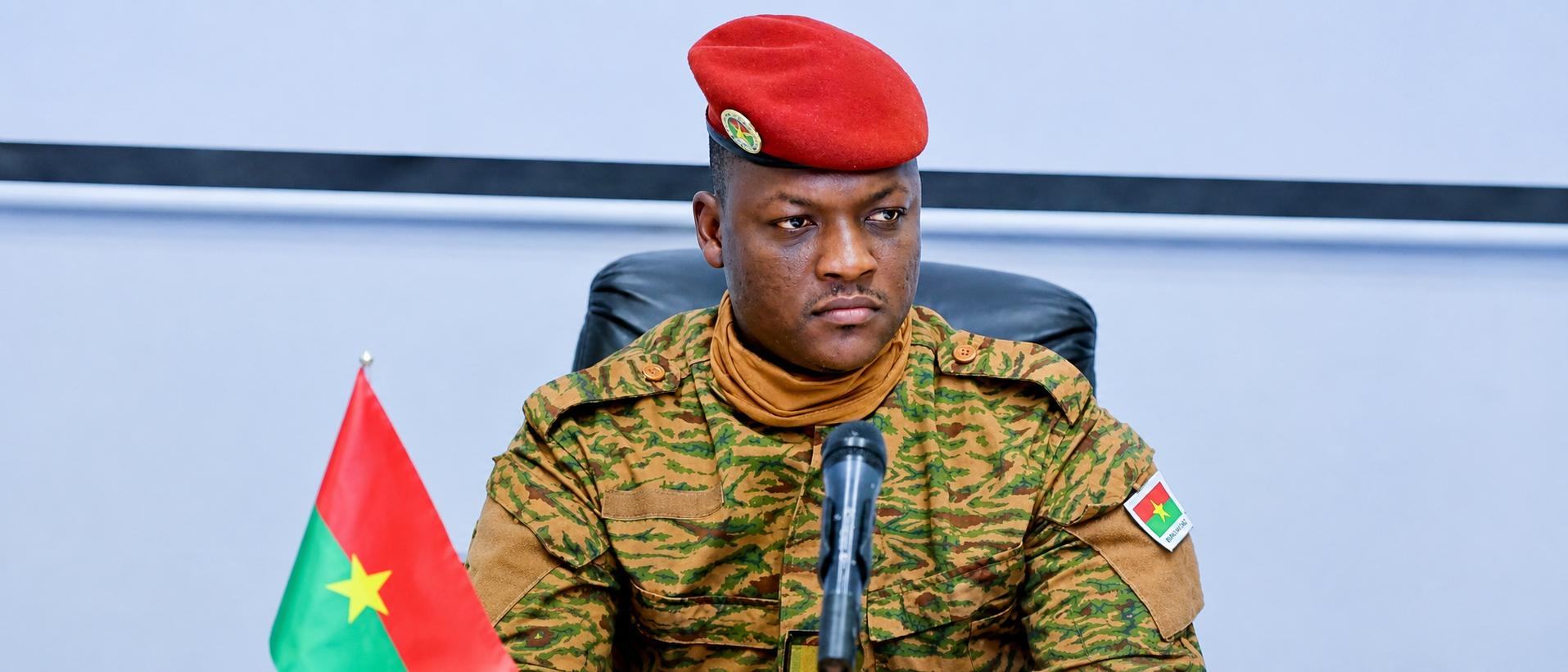
Between 2021 and 2023, Colonel Assimi Goïta in Mali, Captain Ibrahim Traoré in Burkina Faso and General Abdourahamane Tiani in Niger framed their coups as acts of reclaiming national dignity. The presence of French and Western troops was condemned as a colonial relic incapable of curbing the rise of jihadist insurgencies.
By September 2023, these three nations solidified their alliance through a collective defense charter, a move that bolstered internal legitimacy. But beneath the nationalist rhetoric lies a far more complex reality.
The Mali case: High costs, limited gains
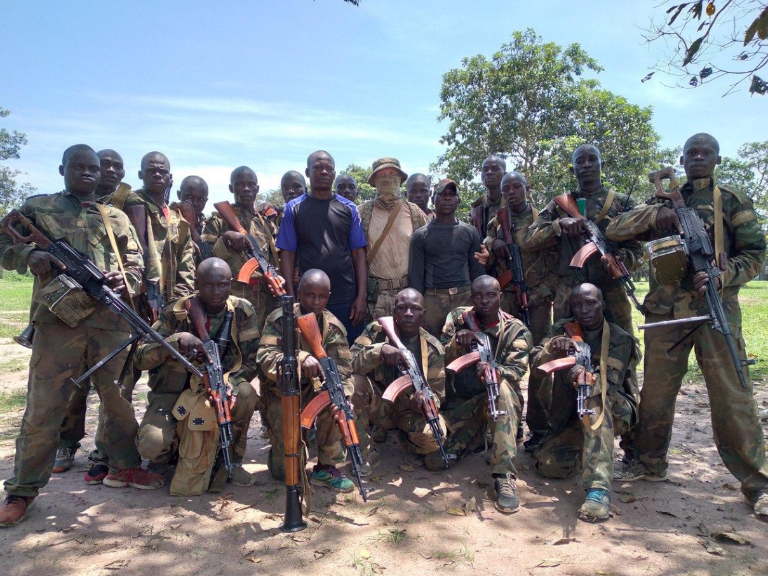
Mali stands out as the starkest example of this costly transition. Analyses indicate that Bamako has allocated over a billion dollars to Wagner and now the Africa Corps since 2021, averaging roughly $10 million per month. This financial burden underscores a deeper operational dependency that starkly contrasts with Burkina Faso and Niger, where Russian involvement is largely limited to training.
Unlike other Sahelian states, where support remains on the sidelines, Africa Corps fighters in Mali are actively involved in frontline combat. Investigations reveal that no major mining concessions have been granted to Russian forces, placing the entire financial burden squarely on Mali’s public coffers.
Security gains prove elusive
Despite deploying an estimated 1,000 to 1,500 troops, the Africa Corps has struggled to stem the tide of insurgency. Reports highlight persistent setbacks, particularly after the withdrawal from the Kidal region in April 2026. Rebel groups quickly reclaimed strategic towns such as Tessalit, Anéfis and Aguelhok. In southern areas near Gao and Ber, state control continues to erode, with rural zones slipping out of government reach.
Such developments have led observers to suggest that only a comprehensive political negotiation can stabilize the country in the long term.
The paradox of new dependence
Analysts warn that this model risks transforming Sahelian states into de facto protectorates. While juntas have diversified their military suppliers by engaging Turkey, Iran and China, the reliance on foreign combat forces perpetuates a critical vulnerability.
International Crisis Group distinguishes between ‘political and discursive sovereignty’ – the freedom to reject Western demands – and ‘operational autonomy,’ which remains severely compromised. The shift from one foreign patron to another has not delivered the long-promised independence.
Lessons from history: No liberation in foreign alliances
The trajectory mirrors Cold War interventions in Africa, where regimes in Angola and Ethiopia depended on Soviet or Cuban backing. When external support waned, structural weaknesses became impossible to ignore. The Sahel’s future now hinges not just on severing ties with the West, but on building a truly autonomous defense apparatus – one that does not merely replace one overlord with another.