Mariama Hamani
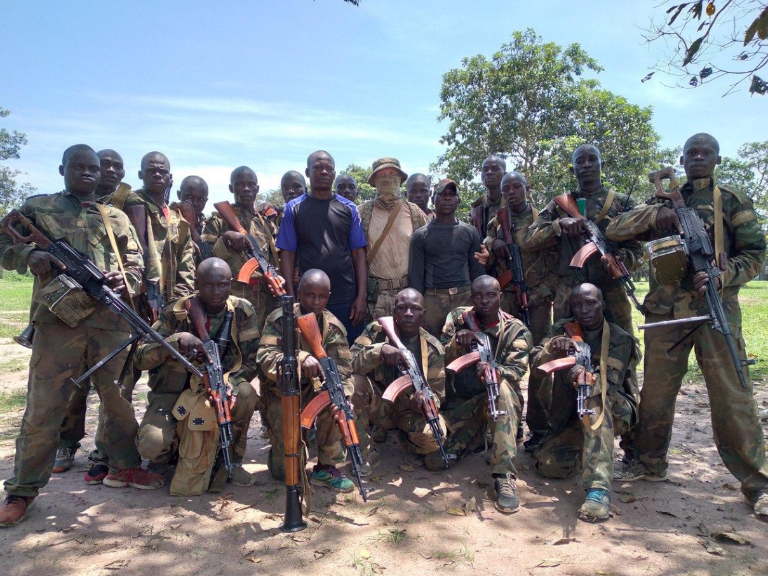
In the heart of Africa, a new era of security partnerships is emerging—one where gold, not just guns, dictates the terms of defense agreements. Recent revelations about the Wagner Group’s post-Prigojine operations in the Central African Republic (CAR) are exposing a troubling trend: the exchange of military protection for access to mineral wealth. This transformation is not just reshaping regional power dynamics; it’s redefining what sovereignty means in resource-rich nations.
From mercenaries to mining magnates: the Wagner inheritance
Two years after the death of Evgueni Prigojine, his son Pavel has assumed control of a sprawling empire with an estimated annual revenue of $400 million. This fortune isn’t built solely on battlefield prowess but on a web of commercial ventures, mining concessions, and—according to multiple reports—illicit trade networks. Central to this expansion is gold, a resource that has become as valuable as bullets in the struggle for influence across the Sahel.
The CAR has become a testing ground for this model. With approximately 500 Wagner-linked personnel still operating in the country, the group’s footprint extends far beyond traditional security roles. Investigations suggest that a single gold mining operation tied to this network generates $250 million annually, raising critical questions about transparency, revenue sharing, and the true beneficiaries of these deals.
Gold as currency: the hidden cost of Russian security partnerships
The Central African Republic’s experience offers a cautionary tale for the Sahel’s burgeoning alliances with Moscow. While Wagner’s initial role was framed as a lifeline for embattled regimes, its economic ambitions have since overshadowed its security mandate. The result? A model where protection is no longer a service but a transaction—one where gold serves as both payment and collateral.
This shift is not without consequences. Reports indicate that Wagner-linked entities have diversified into lucrative but controversial sectors, including arms trafficking, alcohol production, and the unregulated pharmaceutical market. Such activities blur the line between state-aligned security providers and opportunistic commercial actors, complicating oversight and accountability.
When security and commerce collide
The intertwining of military and economic interests creates a precarious balance. For governments facing insurgencies, Russian-backed forces provide immediate tactical advantages. However, when these same forces control key mining operations or logistical networks, the priorities shift. Is the primary goal to secure the nation—or to secure the flow of gold?
In the CAR, this dynamic has raised concerns about governance. The lack of transparent contracts and independent audits means that profits from gold exports may never reach state coffers. Instead, they could be siphoned into private networks, further entrenching the influence of external actors over local institutions.
A warning to the Sahel: lessons from Bangui
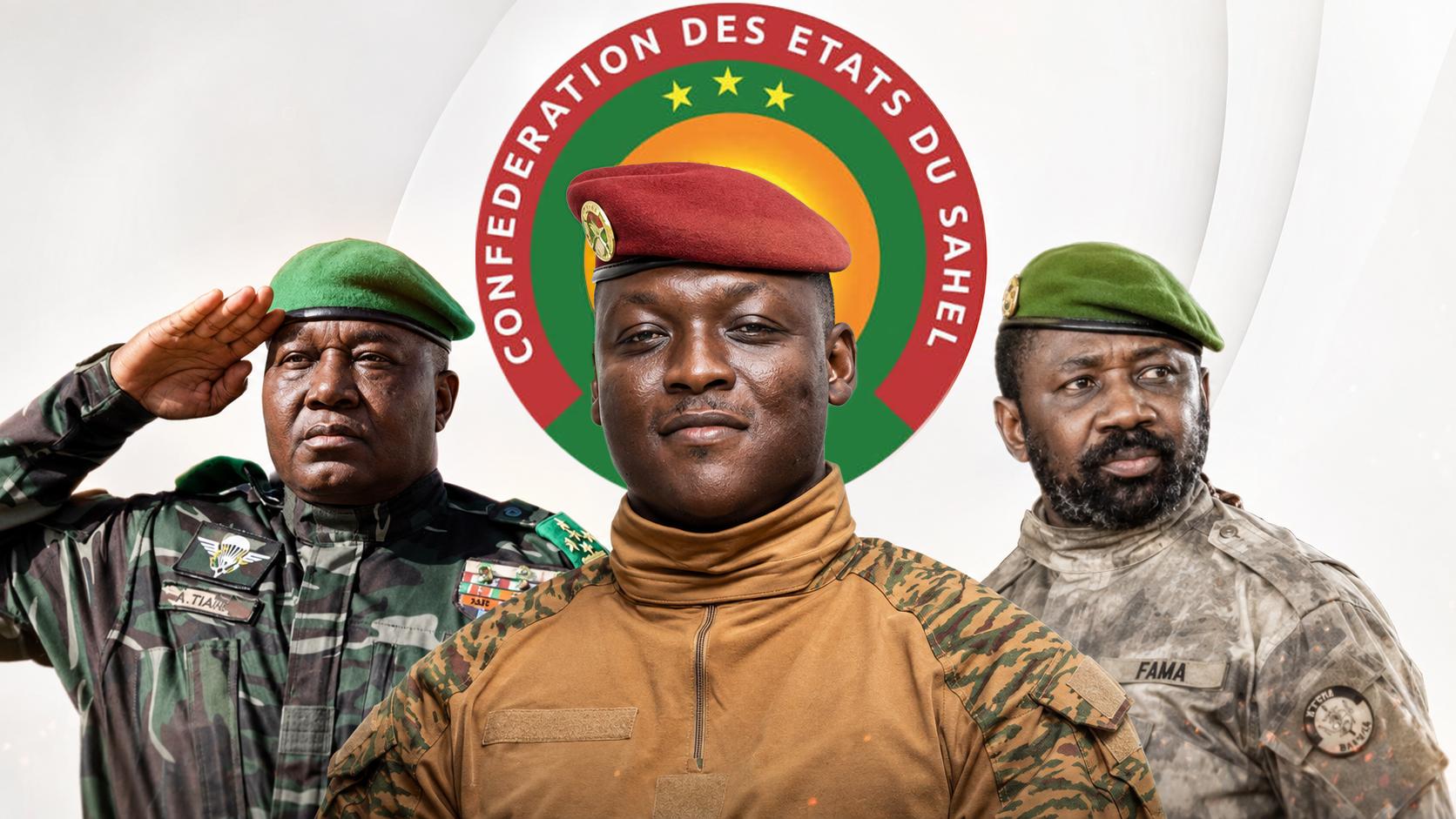
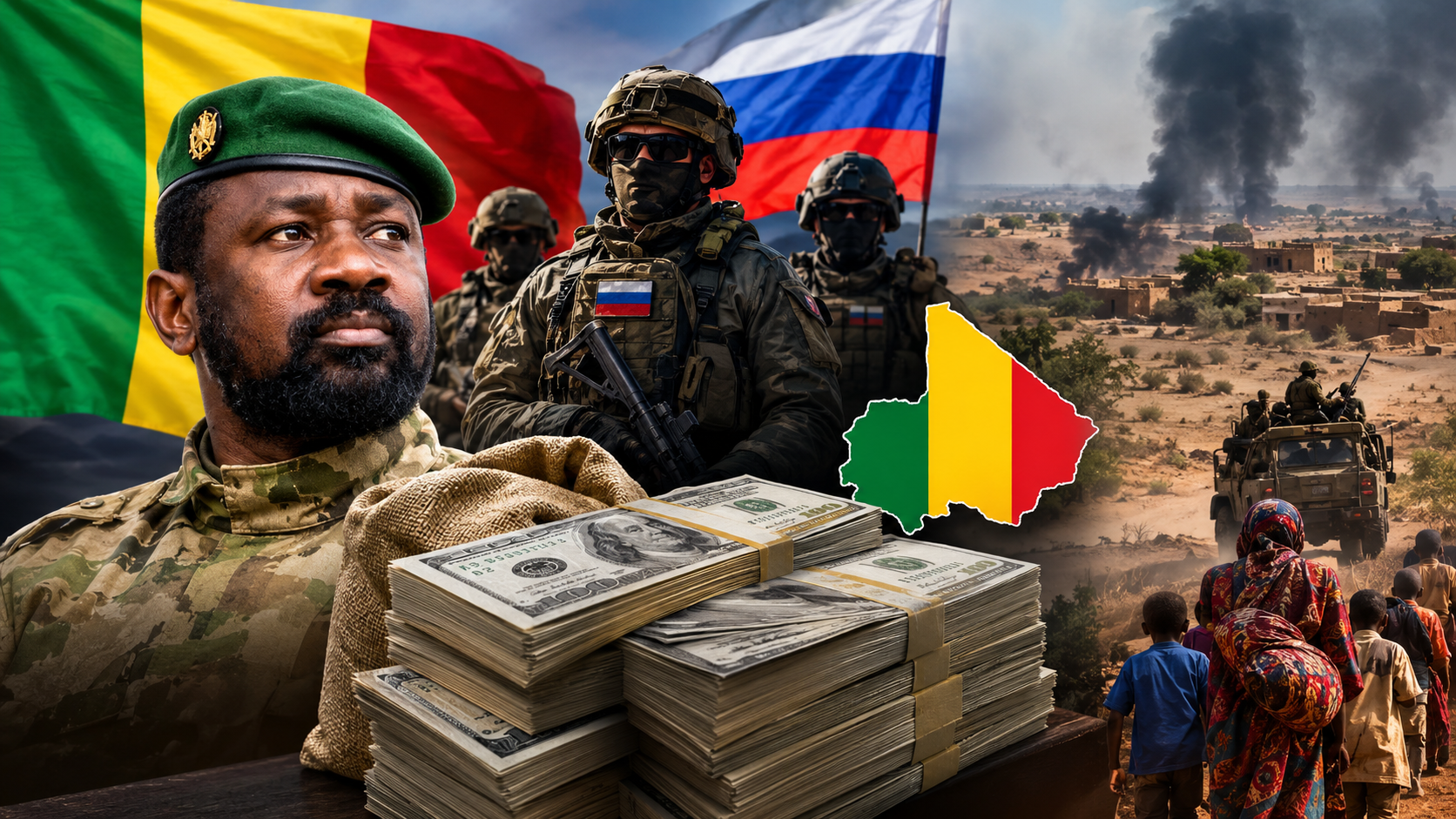
The Central African Republic’s trajectory holds particular relevance for Mali, Burkina Faso, and Niger, the three nations forming the Alliance of Sahel States (AES). Each has turned to Moscow for military support amid rising jihadist threats and strained relations with Western partners. Yet the CAR’s experience serves as a stark reminder: security partnerships are not immune to economic exploitation.
In Mali, discussions around Russian military presence have sparked debates over civilian casualties and the efficacy of foreign-backed operations. Burkina Faso and Niger, while still negotiating the terms of their collaborations, must now consider the long-term implications. Will these partnerships prioritize national security—or serve as Trojan horses for resource extraction?
The sovereignty dilemma: who controls the gold?
The fundamental question facing the Sahel is not whether to engage with Russia, but how to do so without sacrificing sovereignty. The CAR’s struggles highlight the risks of opaque agreements, where security support comes with strings attached—often in the form of mining rights or trade monopolies. For the AES, the path forward must include stringent contract transparency, independent audits of military operations, and mechanisms to ensure that resource wealth benefits citizens, not foreign-backed networks.
Without these safeguards, the line between ally and exploiter becomes dangerously thin. The gold that funds security today could become the very resource that undermines self-determination tomorrow.
Moscow’s double game: control vs. chaos
Since the failed mutiny of Evgueni Prigojine in 2023, Russia has sought to reassert control over Wagner’s African operations through the newly formed Africa Corps, an entity directly linked to the Russian Ministry of Defense. Yet this reorganization has not dismantled the entrenched economic interests cultivated during Wagner’s heyday. In the CAR, Pavel Prigojine’s networks continue to operate with a degree of autonomy, illustrating the tension between Moscow’s strategic goals and the profit-driven agendas of local proxies.
For Sahelian nations, this duality presents a dilemma. Russian state institutions may offer structured partnerships, but the legacy of Wagner’s commercial ventures persists. The challenge is to distinguish between legitimate military cooperation and the creeping influence of extractive industries masquerading as security services.
Beyond the guns: redefining African sovereignty
The CAR’s story is not just about mercenaries or mining—it’s about the erosion of sovereignty in resource-rich nations. When security depends on partners who also control gold deposits, the equation becomes unsustainable. The real issue is not whether the Sahel needs external military support, but whether it can secure its future without mortgaging its resources.
Transparency is the first line of defense. Clear contracts, public oversight of mining operations, and independent verification of military performance are non-negotiable. The gold that secures today’s borders must not become tomorrow’s albatross. For the Sahel, the choice is clear: demand accountability now, or risk losing control over its most valuable assets.
The precedent set in the Central African Republic is a warning, not a verdict. The Sahel still has the power to rewrite the rules—before it’s too late.

 Boureima Amadou