Mariama Hamani
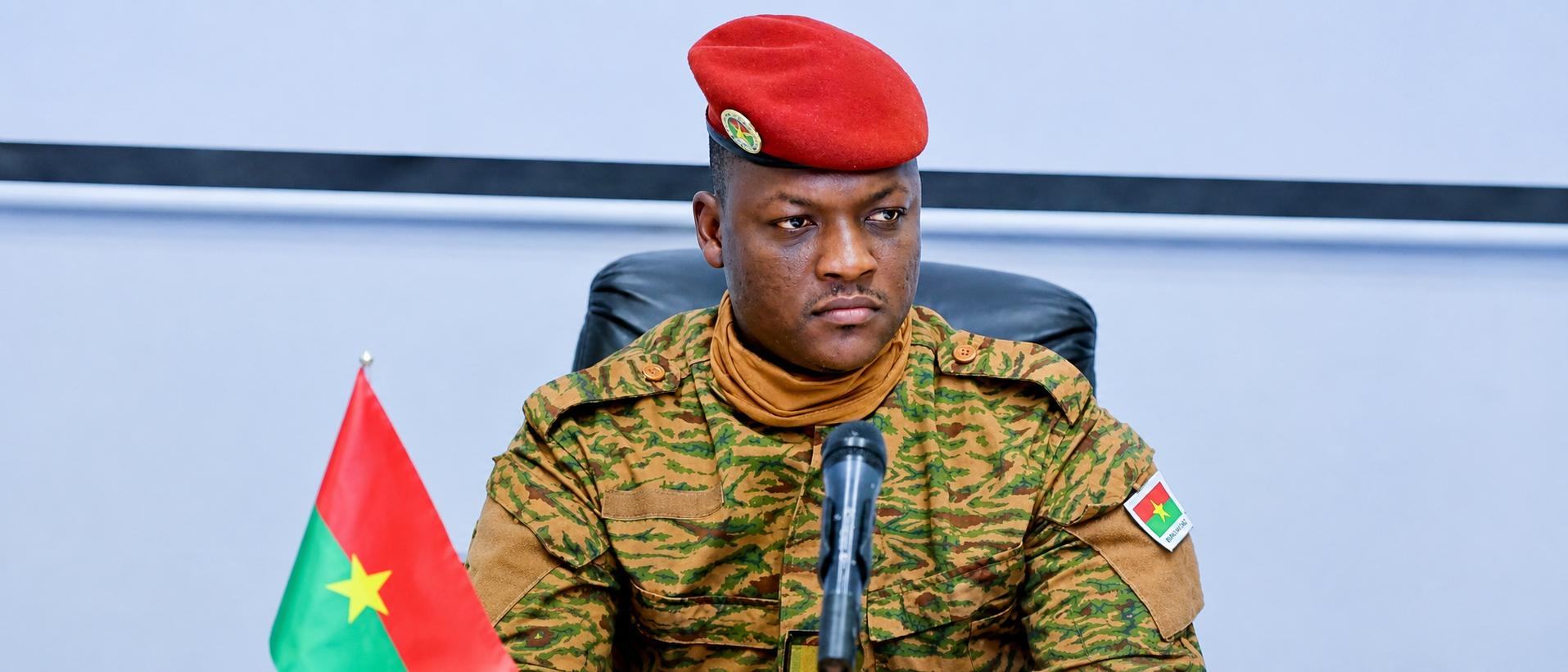
Facing mounting fiscal pressure and limited access to global capital markets, Burkina Faso is doubling down on regional borrowing with a new 100 billion FCFA (approximately $171 million) bond issuance. Scheduled for deployment between October 12 and 30, this strategic move underscores Ouagadougou’s growing reliance on short- to medium-term debt to bridge persistent budget deficits—marking a pivotal shift in its financial maneuvering amid economic isolation.
Why this bond issuance is a high-stakes financial gamble
In a bold bid to attract regional investors, Burkina Faso is lengthening its debt maturity to a decade — a first for the nation — while offering interest rates ranging from 6.60% to 7%. While this tactically eases immediate repayment pressure, it locks in higher long-term borrowing costs and raises long-term solvency concerns for the state.
This isn’t just one-off financing. Since the start of 2025, over 1,000 billion FCFA has been raised through public bond sales in the regional market, effectively turning this sub-regional financing channel into a daily financial lifeline. But such aggressive borrowing patterns are fueling growing doubts about the long-term sustainability of debt servicing.
Domestic debt hits critical mass: the 8.3 trillion FCFA tipping point
As of mid-2025, Burkina Faso’s total public debt has surged to 8,311 billion FCFA — a concerning 13% year-on-year jump. What’s even more alarming is that nearly 60% of this burden comes from domestic borrowing, placing immense strain on the country’s financial system.
This aggressive absorption of liquidity from regional banks and financial institutions is creating a dangerous crowding-out effect, starving the private sector of accessible credit. Local businesses, already struggling under weakened investor confidence and heightened security threats, now face shrinking access to bank loans — further throttling real economic growth and job creation.
Gold dependency: a fragile pillar beneath the debt burden
The International Monetary Fund still classifies Burkina Faso’s debt risk as ‘moderate’, with a debt-to-GDP ratio hovering around 51%. But this stability is precariously built on volatile global gold prices. Government forecasts projecting a 6% growth rate for 2026 — well above the IMF’s 4.9% estimate — hinge on a fragile assumption that gold revenues will continue to flow.
Meanwhile, the bulk of borrowed funds are being redirected not toward long-term infrastructure projects that could generate future revenue, but instead toward emergency security operations and essential public services. Without structural reforms to broaden the tax base and stabilize public finances, the country risks entrenching a destructive cycle where today’s debt is used merely to service yesterday’s obligations.
From crisis response to structural trap: can Burkina Faso break the cycle?
The latest bond issuance may offer temporary fiscal relief, but it also signals a dangerous escalation in debt dependency. With regional markets now serving as the primary — and sometimes sole — source of funding, Burkina Faso stands at a financial crossroads.
To avoid a deeper debt spiral, the government must urgently pursue structural reforms: diversifying revenue streams, curbing wasteful expenditures, and investing in productive sectors that can support long-term growth. Without such action, the 100 billion FCFA bond may do more than just plug a budget gap — it could deepen the very crisis it aims to resolve.