
 Mariama Hamani
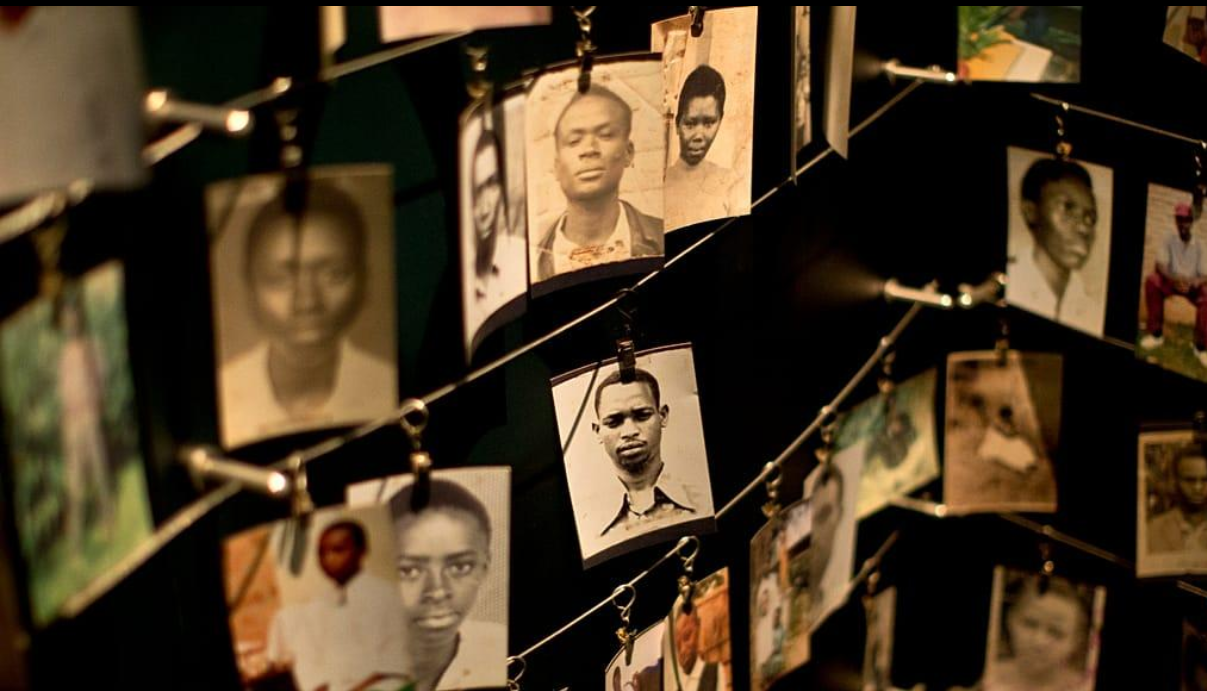
After more than three decades on the run, Jean Léonard Teganya has been forcibly returned to Rwanda, marking a decisive turning point in the long-overdue pursuit of justice for the 1994 genocide against the Tutsi people. Arriving in Kigali on November 9, 2026, Teganya—once a medical student at the National University of Rwanda—now stands accused of playing a direct role in the atrocities committed in the former Butare prefecture.
From student to fugitive: the accusations that followed Teganya for decades
At the time of the genocide, Teganya was completing his medical studies and a residency at the Butare University Teaching Hospital (now CHUB). Prosecutors allege that he used his position to facilitate violence, directing soldiers and Interahamwe militiamen to hunt down Tutsi patients and refugees seeking shelter within the hospital’s walls. These accusations include participation in murders and acts of sexual violence, charges that have now resurfaced as Rwanda’s judicial system prepares to scrutinize them.
The long road of evasion: a journey across continents
Teganya fled Rwanda in July 1994, embarking on a decades-long odyssey through conflict zones and asylum-seeking routes. His journey led him through the Democratic Republic of Congo, Kenya, India, and eventually to Canada in 1999, where he applied for refuge. However, Canadian authorities denied his claim, citing evidence of his alleged involvement in genocide-era crimes. After multiple legal battles, an expulsion order was issued.
In August 2014, he entered the U.S. from Canada and was later arrested in Maine. Despite applying for asylum, he was prosecuted for immigration fraud and perjury. In 2019, a federal jury in Boston convicted him on multiple counts, leading to a 97-month prison sentence—a punishment linked to his deceitful immigration filings, not the genocide charges.
Rwanda reclaims its case: justice takes center stage
Teganya’s expulsion from the U.S. signals a critical shift in Rwanda’s ability to prosecute fugitives accused of international crimes. The Rwandan Prosecutor’s Office has confirmed his return and transferred him to police custody for interrogation, with his case now under judicial review. As the eighth genocide suspect expelled or extradited from the U.S. to Rwanda since 2007, this case underscores the global commitment to closing impunity gaps for the 1994 genocide.
What survivors and families await
For those who lost loved ones in Butare, Teganya’s return offers a glimmer of hope that decades of unresolved pain may finally be addressed. His arrival reaffirms that justice, though delayed, is not indefinitely deferred—a message that resonates across survivor communities still grappling with the legacy of 1994.
A trial under scrutiny: what comes next?
The Rwandan judicial system now faces the task of evaluating the evidence against Teganya, including testimonies and alleged ties to the MRND party and Interahamwe militias. A fair trial will determine whether his actions meet the threshold of genocide and crimes against humanity. The world will be watching as Rwanda navigates this pivotal moment in its post-genocide reckoning.

 Boureima Amadou





