
 Mariama Hamani
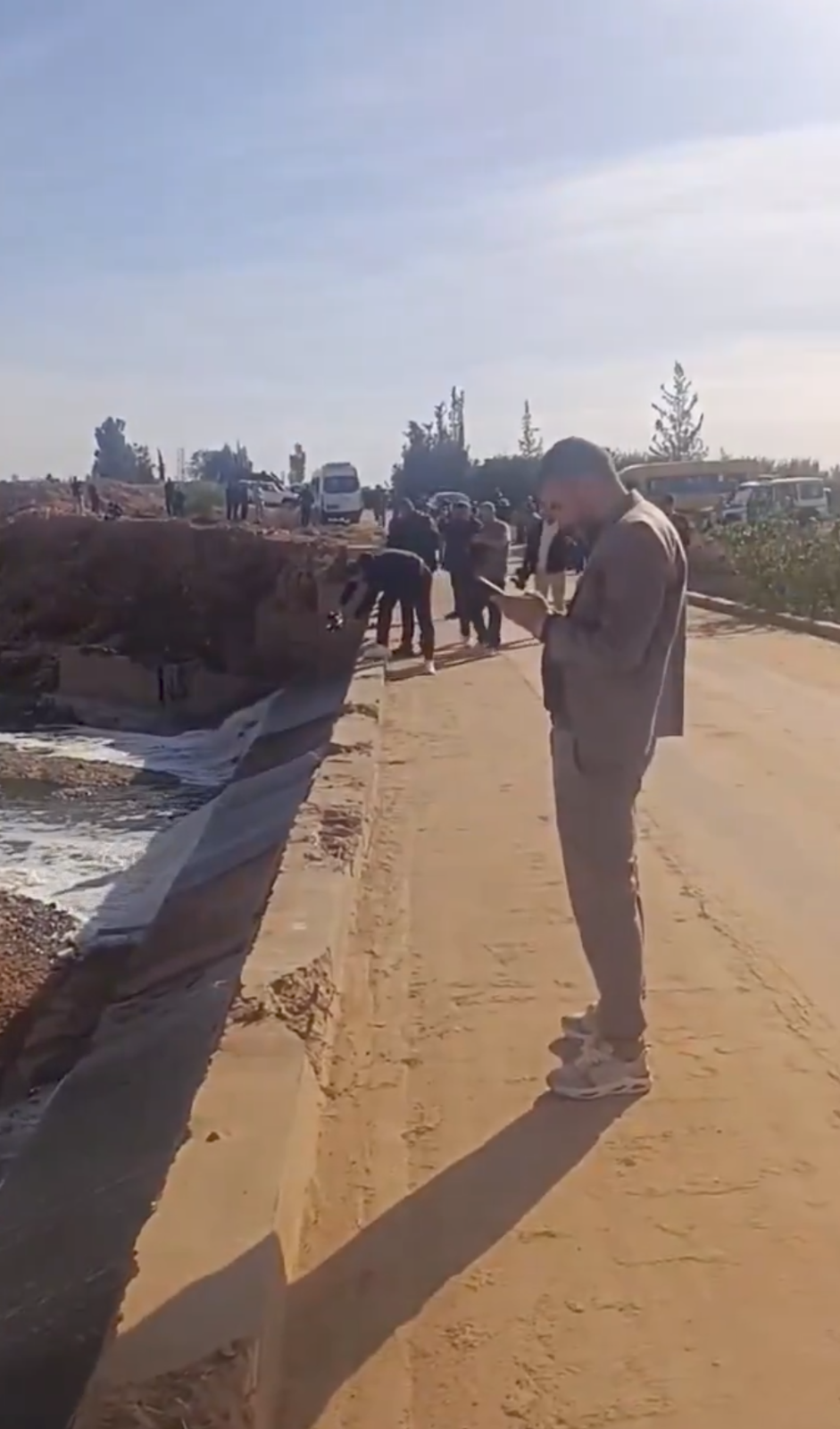
The strained relationship between Algeria and Morocco has reached a critical juncture, with a new environmental controversy threatening to escalate tensions between the two nations. At the heart of the dispute is the polluted oued Mouilah in Algeria’s Tlemcen province, a waterway that Algerian authorities now claim is contaminated by industrial and domestic discharges originating from Moroccan territory.
What began as an environmental concern has rapidly evolved into a high-stakes diplomatic issue, with Algeria raising the alarm over the potential health and ecological consequences of the pollution. The contaminated waterway, which flows into the Hammam Bougara dam, jeopardizes the water security of entire communities—raising questions about the long-term sustainability of the region’s vital infrastructure.
From environmental alert to diplomatic warning
Algerian officials have pointed to alarming findings in water quality tests, including elevated levels of nitrites, heavy metals, pharmaceutical residues, and microbiological contaminants. These pollutants pose a serious risk not only to local ecosystems but also to public health, particularly for communities dependent on the dam’s water supply for drinking and agriculture.
The situation at the Hammam Bougara dam is particularly precarious. Contaminated inflows could compromise water treatment efforts, inflate purification costs, and strain already limited water resources in the region. With climate change exacerbating drought conditions, the stakes could not be higher.
Who bears responsibility for the pollution?
The core of the dispute lies in the accusation that Moroccan industries and urban centers are responsible for the contamination. Algerian authorities claim that polluted discharges flow through the oued Isly before crossing into Algerian territory via the oued Mouilah. While these allegations remain unproven without independent scientific verification, the controversy has fueled diplomatic friction.
Establishing the exact origin of the pollutants is complex. It requires rigorous sampling at multiple points along the watershed, precise chemical tracing, and transparent data sharing. Without irrefutable scientific evidence, the charges remain allegations—lending urgency to calls for an impartial investigation.
Could international law step in?
The severity of the situation has prompted political figures in Tlemcen to advocate for international legal intervention. Algerian officials have signaled their openness to pursuing recourse through international mechanisms, invoking principles of transboundary environmental protection and shared water resource management under international law.
Such a move would hinge on the no-harm rule—a cornerstone of international environmental law that prohibits states from causing environmental damage that crosses borders. Yet while discussions have intensified, no formal legal action has been initiated at this stage.
A diplomatic powder keg in troubled times
The pollution controversy arrives amid a backdrop of deep political divisions. Following the rupture of diplomatic ties in August 2021, Algeria and Morocco have maintained a fragile and tense relationship. The introduction of a transboundary environmental dispute—one involving a vital natural resource—introduces a volatile new dimension to the conflict.
Water scarcity is a growing crisis for both nations, compounded by climate change, population growth, and increasing agricultural and industrial demands. In such a context, environmental disputes risk evolving into disputes over national sovereignty and state responsibility—further complicating any path to reconciliation.
Despite the gravity of the situation, there is currently no indication that tensions will escalate into military confrontation. The primary concern remains the immediate environmental and public health threat posed by the polluted waterway.
The path forward: science, cooperation, and accountability
Regardless of political tensions, the immediate priority must be protecting the population and restoring water quality. A transparent, independent scientific investigation is essential to identify the true source of the pollution, assess health risks, and guide remediation efforts.
Such a process would require collaboration among hydrologists, toxicologists, and environmental experts from both countries. Objective data and shared responsibility form the foundation for any sustainable solution—especially when it comes to water, a resource that transcends political borders.
The oued Mouilah crisis may mark a turning point in Algeria-Morocco relations. Whether it becomes a catalyst for deeper cooperation or another chapter in escalating tensions depends on how each side responds—not just with accusations, but with action. The future of Tlemcen’s water security—and the ecological health of the region—hangs in the balance.



 Boureima Amadou





