Boureima Amadou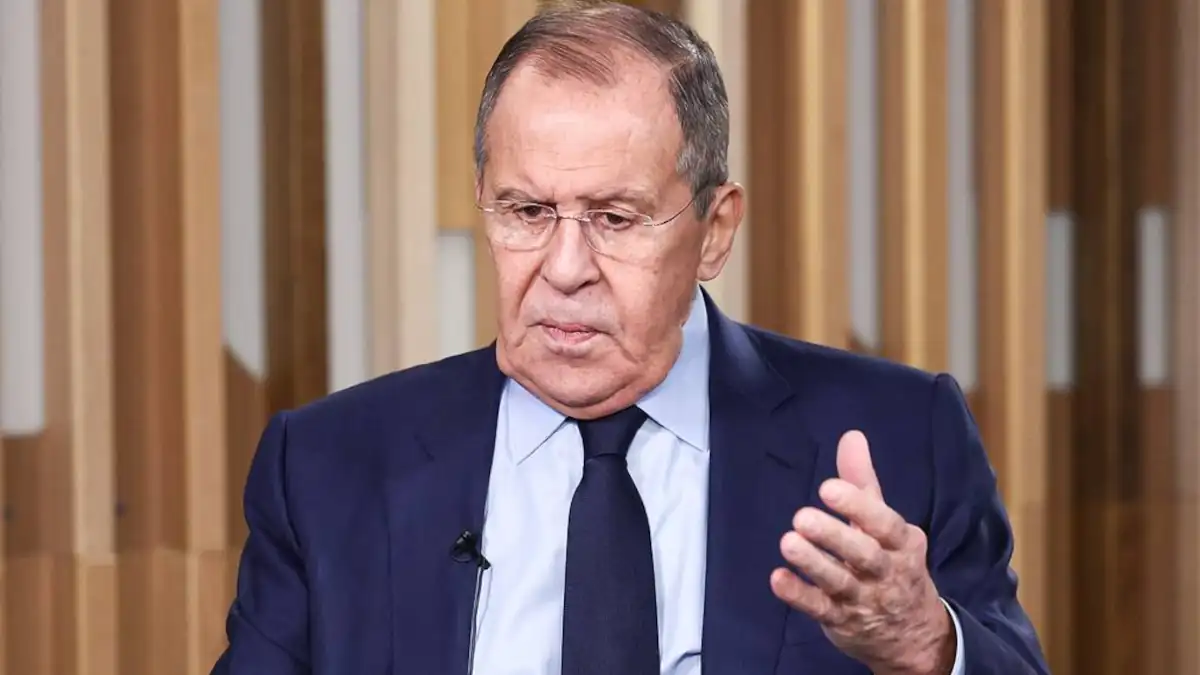
Diplomatic accusations spark fresh tensions in Africa
The East African diplomatic landscape has become an unexpected battleground for Russia and Ukraine as their rivalry intensifies. On July 10, during a high-profile visit to Bujumbura, Russian Foreign Minister Sergei Lavrov made explosive claims that Ukrainian nationals were allegedly supporting the M23 rebel group in the eastern Democratic Republic of Congo, alongside Congolese forces and Burundi. Ukraine swiftly dismissed these allegations the following day.
Unsubstantiated allegations surface during Burundi visit
Lavrov made his remarks during a joint press conference with Burundi’s Foreign Minister Édouard Bizimana, following meetings with President Évariste Ndayishimiye, who currently holds the rotating presidency of the African Union. He alleged that foreign representatives—including Ukrainians—were backing the M23, a UN-sanctioned armed faction that has controlled significant territories in North and South Kivu since its takeover of Goma in January 2025. While Moscow provided no concrete evidence, UN expert reports have previously documented arms supplies to the M23 from the Rwandan Defense Forces.
Ukraine responded through its Foreign Ministry spokesperson Heorhii Tykhyi, who dismissed Lavrov’s claims as baseless disinformation. Tykhyi countered by accusing Russia of violating international sanctions by arming militant groups and recruiting African nationals to fight in Ukraine. He suggested that Moscow’s strategy aimed to undermine American mediation efforts in the Great Lakes region.
Mali incident casts shadow over Kyiv’s credibility
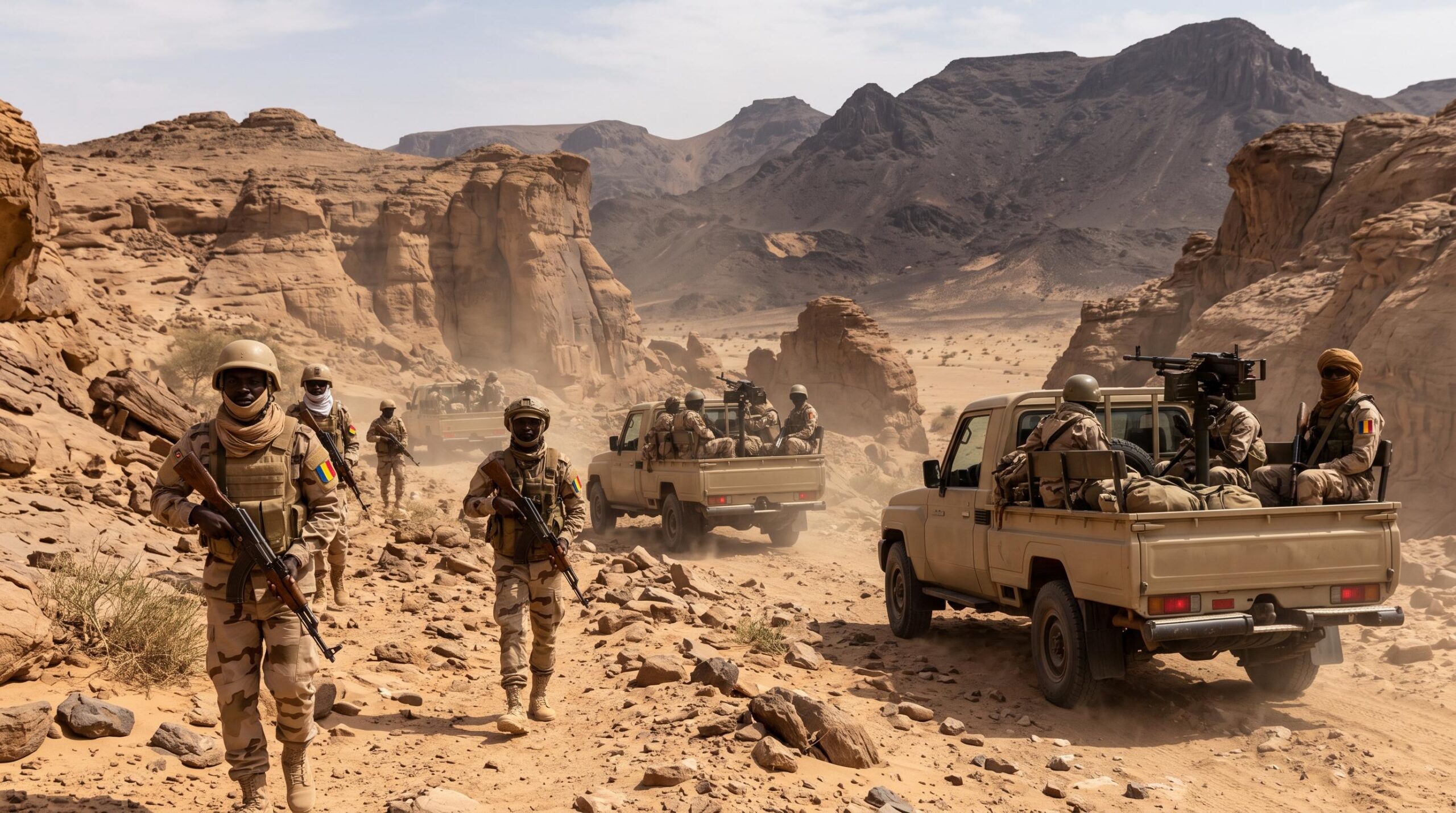
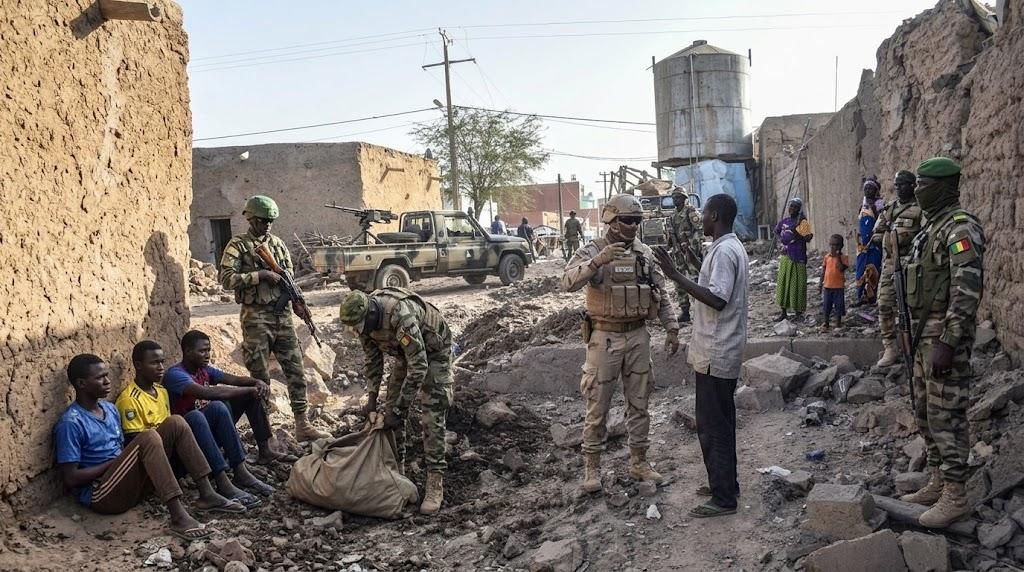
This isn’t the first time Ukraine has faced accusations that have strained its diplomatic relations in Africa. In late July 2024, a military convoy comprising Russian Wagner mercenaries and Malian soldiers was ambushed by Tuareg rebels and the Group for the Support of Islam and Muslims (JNIM) in northern Mali. The attackers claimed to have killed dozens from both sides. On July 29, a Ukrainian military intelligence spokesman Andriï Yusov asserted on national television that his agency had provided the rebels with critical intelligence. Kyiv later retracted these claims but failed to ease tensions with Bamako and Niamey. By August 2024, Mali and Niger had severed diplomatic ties with Ukraine, with Burkina Faso following suit. Bamako has since escalated the matter at the United Nations Security Council.
Sudan conflict reveals similar patterns
The civil war between Sudan’s army and the Rapid Support Forces (RSF) has also been entangled in these allegations. Since late 2023, reports have surfaced about a Ukrainian special unit codenamed Timur, though Kyiv has neither confirmed nor denied its existence. Videos allegedly showing this unit conducting drone strikes on Russian mercenaries and their local allies emerged in January 2024. By October 2025, Sudanese military officials reported killing foreign fighters, including Colombians and Ukrainians, who were reportedly fighting alongside the RSF in El-Fasher.
These incidents have left Ukraine’s denial of involvement in Congo in a precarious position. In Mali, an official initially claimed responsibility before backtracking. In Sudan, ambiguity persists without resolution. For the M23, no Ukrainian source—official or otherwise—has yet substantiated any connection. The Congolese case remains undocumented, while Lavrov continues his diplomatic tour ahead of the third Russia-Africa Summit scheduled for October 28-29 in Moscow.