Boureima Amadou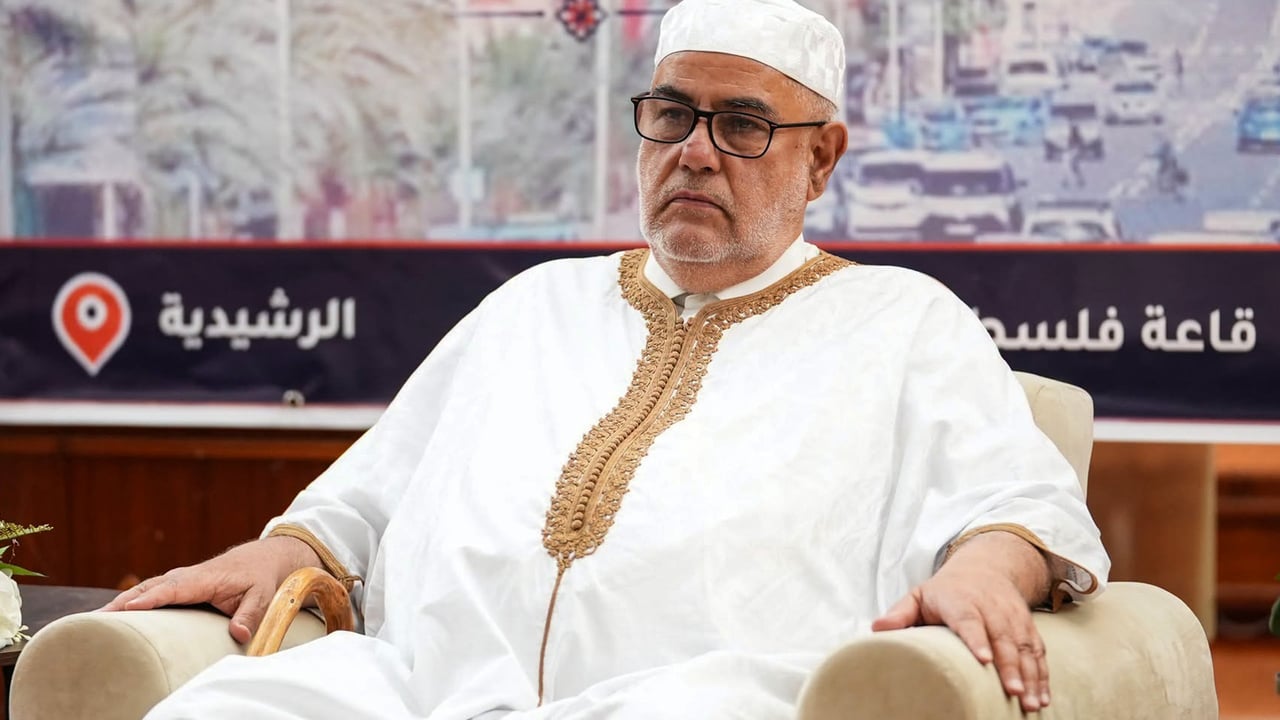
Tensions are escalating in Morocco as the Party of Justice and Development (PJD) and Al Adl Wal Ihsane renew their longstanding debate over the significance of electoral participation in the country’s political landscape. The dispute has reignited discussions about governance, legitimacy, and the role of elections in shaping Morocco’s future.
The PJD, led by former Prime Minister Abdelilah Benkirane, has reaffirmed its commitment to electoral processes as a means of driving reform and influencing policy. In a recent statement, Benkirane emphasized that elections remain a critical tool for citizens to hold leaders accountable and shape the nation’s trajectory. His remarks underscore the party’s belief in institutional engagement as a pathway to change.

Al Adl Wal Ihsane’s rejection of electoral participation fuels debate
The confrontation has deepened with Al Adl Wal Ihsane, a prominent Islamist movement, reiterating its long-held position that elections do not offer a genuine path to change in Morocco. The group argues that the political system is inherently flawed and that participation in elections only legitimizes an unjust framework. This stance has sparked sharp criticism from the PJD, which accuses Al Adl Wal Ihsane of undermining democratic processes.
Observers note that the renewed clash reflects broader divisions within Morocco’s political sphere. While the PJD advocates for gradual reform through electoral means, Al Adl Wal Ihsane’s stance challenges the very foundations of Morocco’s governance model. The debate raises critical questions about the effectiveness of elections in delivering meaningful change and the strategies available to opposition groups.
Historical context and future implications
The rivalry between the two groups is not new but has intensified in recent months. The PJD, which has historically participated in elections, has faced setbacks in recent years, including a decline in voter support. Meanwhile, Al Adl Wal Ihsane’s refusal to engage in elections has kept it on the margins of formal politics, despite its influence within civil society.
The outcome of this debate could have far-reaching consequences for Morocco’s political future. If the PJD succeeds in rallying support for its vision of reform through elections, it may regain its footing as a key player in the country’s governance. Conversely, if Al Adl Wal Ihsane’s skepticism gains traction, it could further marginalize electoral politics and push alternative forms of activism to the forefront.
As Morocco navigates these challenges, the clash between the two movements highlights the complexities of political engagement in the country. The debate over elections is not merely ideological but touches on the very nature of democracy, legitimacy, and the role of citizens in shaping their nation’s future.

 Mariama Hamani