Boureima Amadou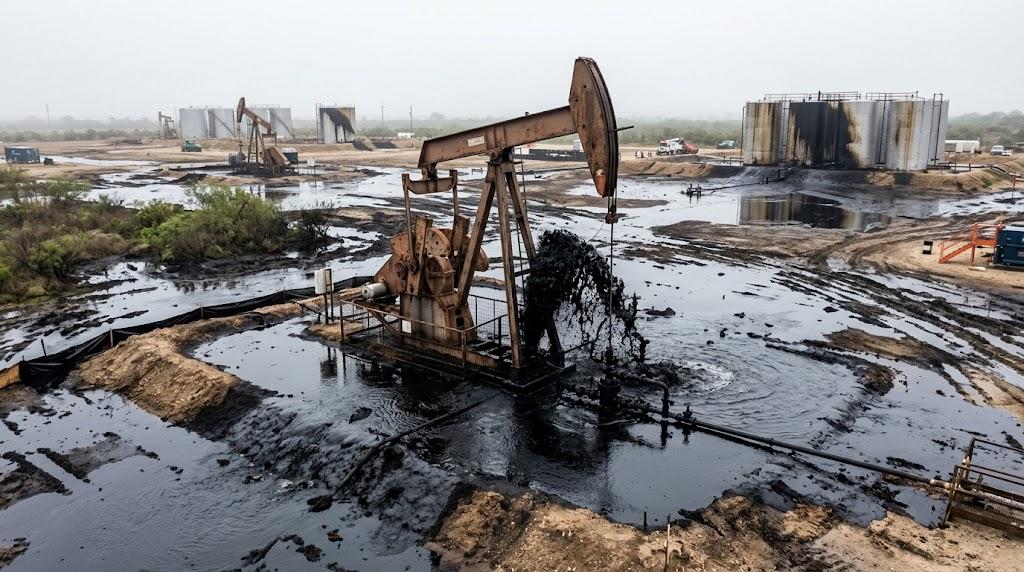
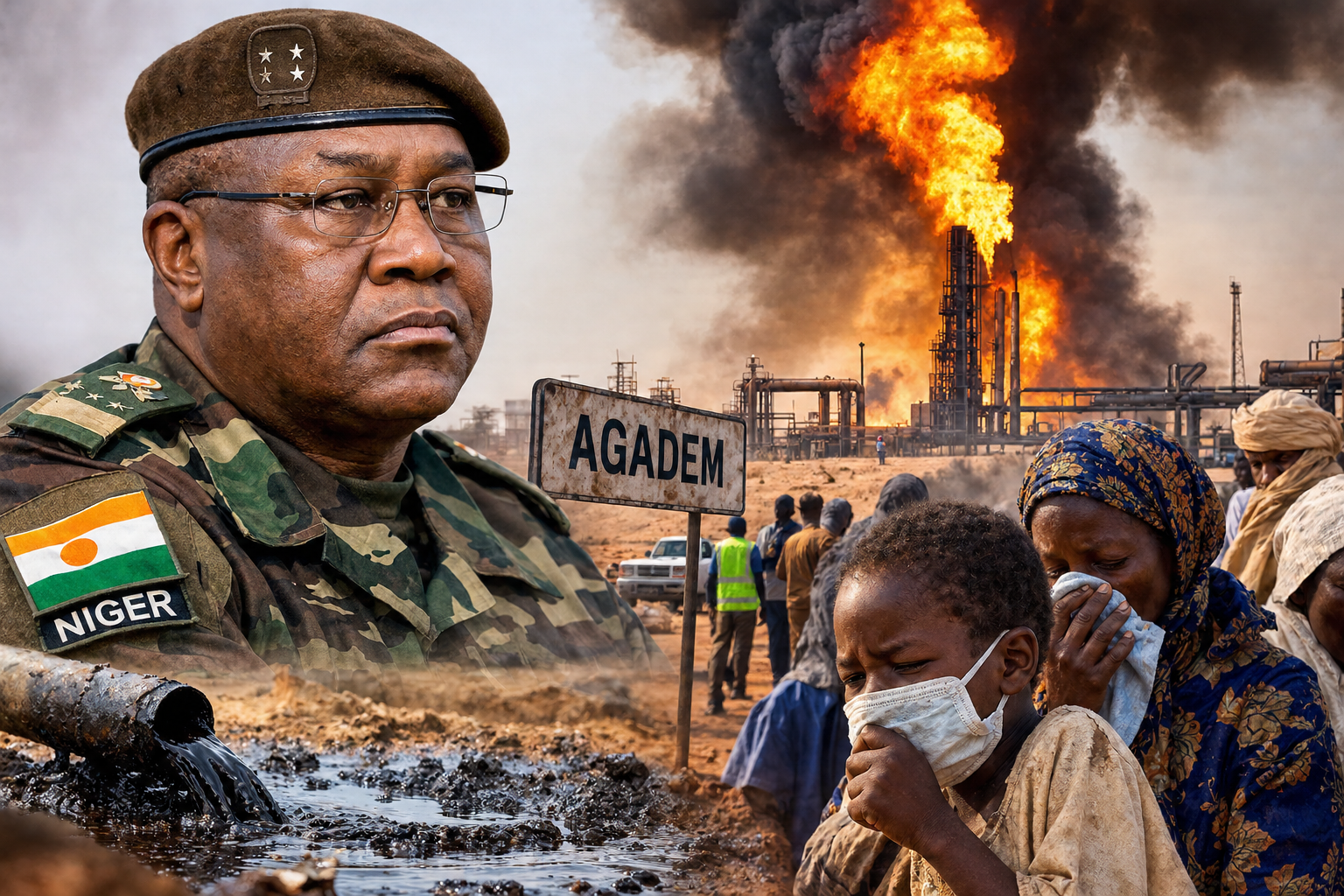
The Government of Niger has confirmed a catastrophic blowout at the Goumeri W-8 oil well on the Agadem block, with the Chinese-operated site spewing crude more than 10 meters into the air since September 25. Initially downplayed as a minor issue, the crisis has been officially acknowledged after two weeks of mounting environmental and public pressure, exposing critical gaps in local crisis management and technical capacity.
Government admits delayed response to unprecedented crude disaster
While authorities have ruled out sabotage or terrorism, the public acknowledgment came only on October 12—17 days after the first signs of the blowout emerged. Civil society groups and environmental watchdogs had already raised alarms about soil and groundwater contamination risks. Emergency containment efforts have included hastily constructed dikes and retention ponds, but no official assessment has been released on the volume of crude lost or the full extent of environmental damage.
Two workers have been hospitalized following the incident, though authorities have not disclosed the nature of their injuries or the timeline of medical intervention.
Sovereignty ambitions clash with operational reality
The blowout has cast doubt on Niamey’s ability to enforce its stated goal of increasing local control over oil operations. Officials have previously emphasized a mandate requiring 80% local staffing within CNPC Niger Petroleum, the Chinese operator. Yet the crisis has revealed that local expertise remains insufficient to manage a damaged wellhead, particularly one of this magnitude. The lack of specialized personnel and technical infrastructure has forced the government to look beyond its borders for assistance.
Algeria steps in as crisis response partner
Niger has turned to Algeria and state-owned Sonatrach, leveraging their decades of expertise in Saharan oil extraction and crisis intervention. The collaboration includes a joint technical audit to determine liability and responsibility for the incident, in addition to ongoing support tied to previous energy agreements between Niamey and Algiers. These include shared development of the Kafra concession and coordination in marketing Agadem crude.
As of now, no timeline has been announced for permanently sealing the well, raising concerns about prolonged environmental and economic fallout.
Regional energy ties tested amid emergency
This episode underscores the growing interdependence of West African energy sectors, particularly as Niger seeks to balance its sovereignty goals with the practical necessity of international cooperation. While the government continues to emphasize local capacity building, the Goumeri W-8 blowout serves as a stark reminder that such ambitions are constrained by real-world expertise and resources.

 Mariama Hamani