Boureima Amadou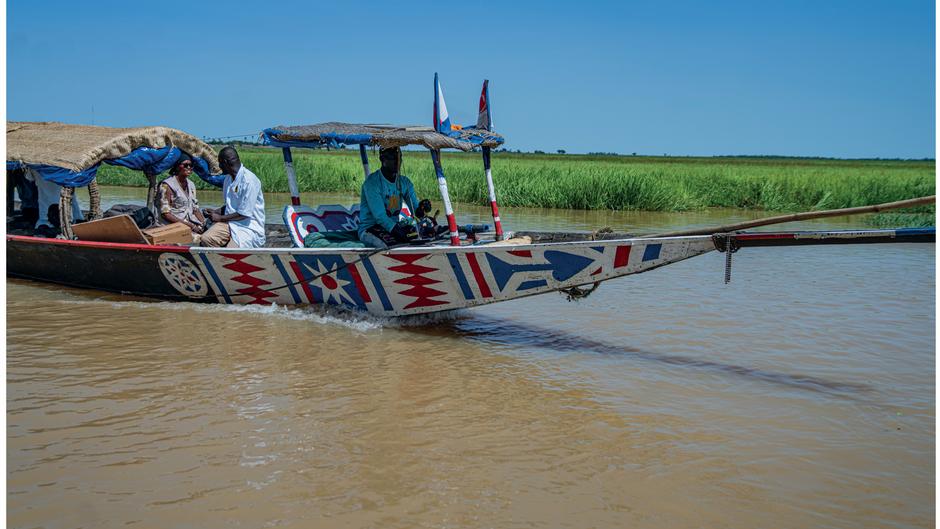
In the heart of Mali, where 6.4 million people rely on humanitarian aid, photographer Tiécoura N’Daou captures more than just images. He immortalizes the raw realities of a nation grappling with displacement, food insecurity, and the silent struggles of women and children. His exhibition, “Mali: Personal Gazes on the Humanitarian Crisis,” recently concluded in Berlin, offering a poignant visual narrative of the country’s ongoing challenges.
With over 400,000 internally displaced persons and 1.5 million children under five facing acute malnutrition, N’Daou’s work serves as a powerful call to action. By framing each photograph with deliberate intent, he transforms statistics into stories, ensuring that the voices of those affected are heard. The exhibition, supported by seven humanitarian organizations including Action contre la Faim, underscores the urgency of addressing Mali’s humanitarian emergency.
balancing art and education in Mali
Beyond his lens, N’Daou wears another hat—as an educator and researcher in Mali. His dual role reflects a deep commitment to using art as a tool for education and advocacy. Through his photography, he bridges the gap between local realities and global awareness, highlighting the intersection of culture, conflict, and human resilience.
“Every image I capture carries a weight,” N’Daou explains. “It’s not just about the moment frozen in time; it’s about the stories, the emotions, and the lives behind it. That’s the responsibility I bear as a photographer and storyteller.”
innovating with local flours in Cameroon
While Mali’s crisis unfolds, Yaoundé in Cameroon is buzzing with a different kind of creativity. The city recently hosted a baking competition where artisans showcased their ingenuity by crafting bread from locally sourced flours. Organized by the Service d’Appui aux Initiatives Locales de Développement (SAILD) in partnership with the Association Citoyenne de Défense des Intérêts Collectifs (ACDIC), the event celebrated sustainable baking practices and the rich potential of local ingredients.
The competition, part of a broader movement to promote food sovereignty, featured entries using flours from cassava, maize, and plantains. By encouraging bakers to experiment with these alternatives, the initiative aims to reduce reliance on imported wheat and foster economic resilience in the region. The aroma of freshly baked bread, infused with the flavors of Cameroon, wafted through the competition venue, symbolizing both tradition and innovation.


 Mariama Hamani