Mariama Hamani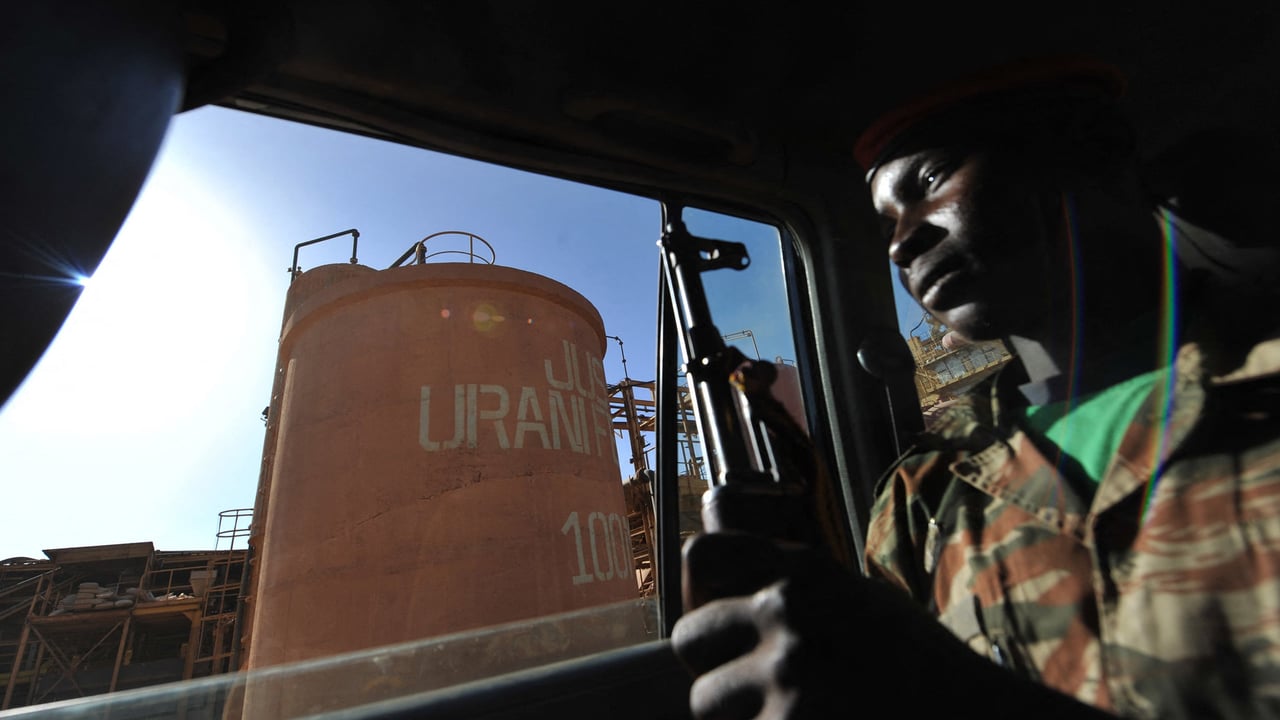

Niger, a nation with significant global importance in uranium production, is currently grappling with a complex array of obstacles impacting its crucial mining industry. The country’s uranium sector finds itself mired in considerable judicial blockages and an enduring commercial deadlock, casting a shadow over its economic prospects and relationships with international partners.
These mounting difficulties stem from persistent legal disputes that have brought essential operations to a standstill. Such judicial hurdles complicate existing agreements and impede the seamless execution of extraction and export activities. Compounding this, a stubborn commercial impasse further intensifies the predicament, making it challenging for Niger to effectively harness its valuable uranium resources within the global marketplace.
The French nuclear energy powerhouse, Orano, a long-established collaborator in Niger’s uranium extraction efforts, is directly impacted by these unfolding events. Its operations, particularly at key sites such as the prominent Arlit mine, are subject to the prevailing legal and trade complexities. The broader context of African governance and African current affairs undeniably shapes these dynamics, with political leadership under figures like Abdourahamane Tiani influencing the national approach to resource management and foreign alliances.
The ongoing struggle surrounding Niger’s uranium resources highlights the intricate interplay between national sovereignty, international trade, and the adherence to legal frameworks. Overcoming these interconnected judicial and commercial challenges is essential for Niger to fully realize the potential of its uranium wealth and ensure stability in its vital mining sector.

 Boureima Amadou