Boureima Amadou
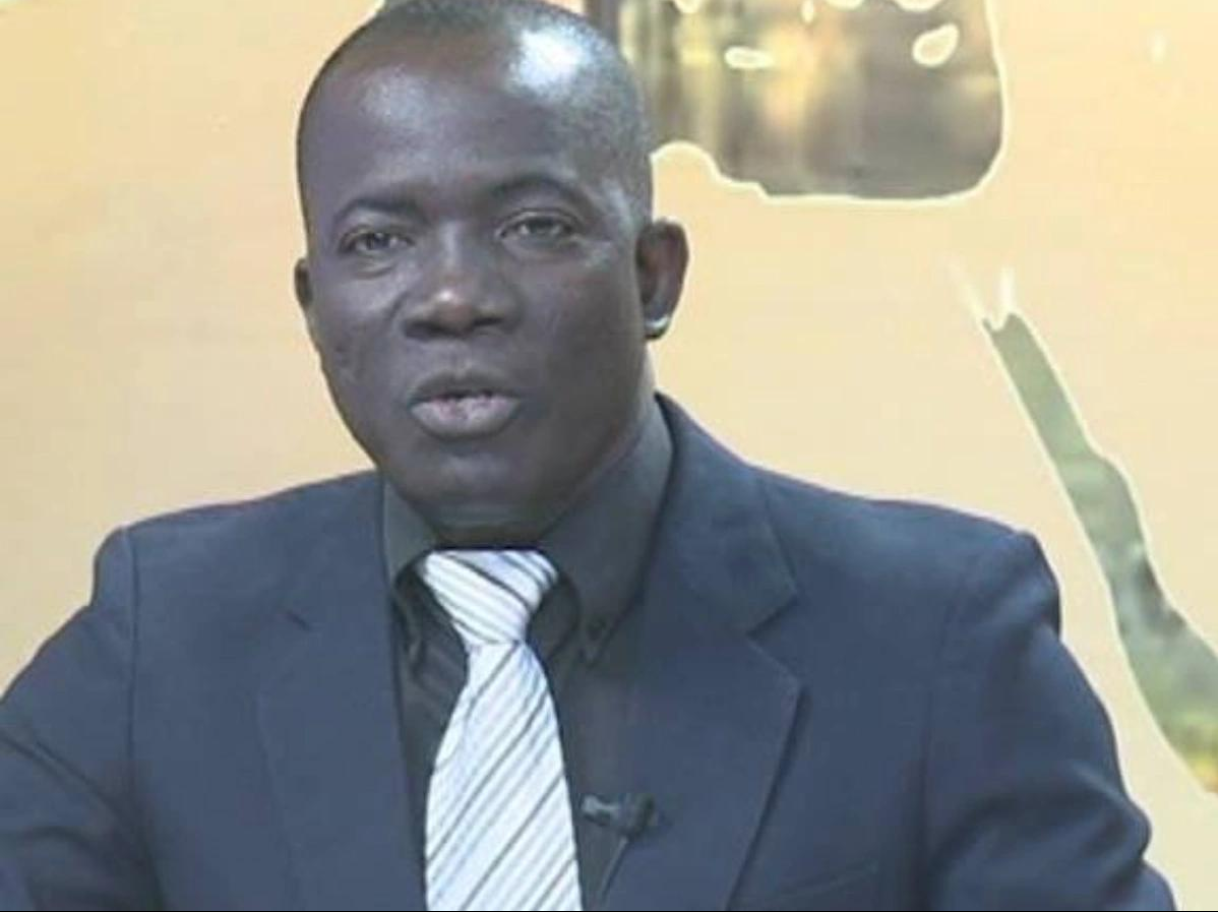
After spending 700 days behind bars on charges of undermining state security, investigative journalist Serge Mathurin Adou walked out of a Niamey prison on November 11, 2026. His release arrives at a pivotal juncture in Niger’s media landscape, where press freedoms have steadily eroded since General Abdourahamane Tiani’s military takeover on July 26, 2023. While his freedom marks a critical milestone, it also casts a spotlight on the urgent challenges facing journalists in a country where speaking truth to power now carries severe risks.
From disappearance to release: a case that exposed systemic vulnerabilities
Serge Mathurin Adou vanished on September 1, 2024, after leaving home to meet a judicial summons in Niamey. For weeks, his family and colleagues searched for answers, receiving no confirmation of his whereabouts. The silence broke when Burkinabè authorities publicly named him on September 23, 2024, as part of an alleged plot to destabilize Burkina Faso’s transitional leadership under Captain Ibrahim Traoré. Authorities claimed the operation involved military and political figures from across the Sahel.
Upon his return to Niger, Mathurin Adou was immediately arrested and charged under Niger’s state security laws. On November 21, 2025, a Niamey court sentenced him to two years in prison — a ruling far lighter than the prosecution’s request for a 20-year term. His eventual release signals a shift in judicial approach, yet it raises pressing questions about due process and the treatment of journalists caught in politically sensitive cases.
Press freedom in Niger: one step forward, two steps back
Mathurin Adou’s case is not an isolated incident. It reflects a broader, troubling trend: since the 2023 coup, Niger’s media environment has become increasingly hostile. Independent reporting is now a high-stakes gamble, with journalists facing arrests, media blackouts, and mounting self-censorship. The crackdown intensified shortly after General Tiani’s rise to power, transforming once-vibrant newsrooms into spaces of fear and silence.
International watchdogs have repeatedly condemned these developments. In 2024, Amnesty International documented multiple cases of journalists detained for covering security issues or government policy. Some reporters have abandoned sensitive stories altogether, avoiding topics such as military operations or political dissent to protect themselves and their families. The suspension of the Maison de la Presse in January 2024 — a key professional body — and the forced removal of international broadcasters like RFI and BBC from Niger’s airwaves further tightened the stranglehold on free expression.
A global ranking that tells a story of decline
Reporters Without Borders’ 2026 World Press Freedom Index offers a stark snapshot of Niger’s media crisis. The country plummeted from 83rd place in 2025 to 120th in 2026 — a 37-place drop in just one year. The report explicitly ties this decline to the July 2023 coup, highlighting how political instability, economic hardship, and judicial pressure have converged to erode the foundations of a free press. No longer a haven for investigative journalism, Niger now ranks among the most dangerous places in West Africa to practice journalism.
Beyond one man’s freedom: what’s next for Niger’s journalists?
While Serge Mathurin Adou’s release is undeniably a victory for press freedom advocates, it does not signal systemic change. Dozens of journalists remain in detention or face ongoing legal harassment. Others have fled the country. Those who stay operate under constant surveillance, their stories vetted by military censors before publication. Even international media outlets have been forced to scale back operations or close bureaus entirely.
Press freedom is not a luxury — it is a cornerstone of democracy. Yet in Niger, it is increasingly treated as a threat. The government’s conflation of national security with control over information has created a climate where critical reporting is equated with sedition. This approach not only undermines public trust but also deprives citizens of the facts they need to make informed decisions about their future.
Can Niger’s press survive — and when will it truly breathe?
The road to recovery is steep. For Mathurin Adou, freedom is a second chance — for his family, for his colleagues, and for the thousands of Nigeriens who rely on independent journalism to navigate a rapidly changing society. But for the profession itself, the path forward demands more than isolated releases. It requires a reversal of the culture of fear, the restoration of due process, and a commitment to protecting journalists who dare to ask questions.
The question now is not whether Niger can afford press freedom — but whether it can afford to lose it. As Mathurin Adou regains his voice, the nation must decide: will it silence the messengers, or finally listen to them?
Key takeaways: where Niger’s press freedom stands today
- One journalist freed, many more at risk: Mathurin Adou’s release is a breakthrough, but at least a dozen other journalists remain imprisoned or in legal limbo.
- Media blackouts and expulsions: International outlets like RFI and BBC have been removed from Niger’s broadcast spectrum, and local radio stations face regular shutdowns.
- A global ranking collapse: Niger dropped 37 places in RSF’s 2026 Press Freedom Index, reflecting a sharp decline in media independence and safety.
- Self-censorship on the rise: Many journalists now avoid sensitive topics, including military operations and political dissent, to avoid arrest or reprisals.
- Judicial inconsistencies: While Mathurin Adou received a relatively lenient sentence, others charged under similar laws face decades behind bars — raising concerns about fair treatment.


 Mariama Hamani