
 Mariama Hamani
Breaking Point: How Côte d’Ivoire Embraced FBI Collaboration to Combat Digital Extortion
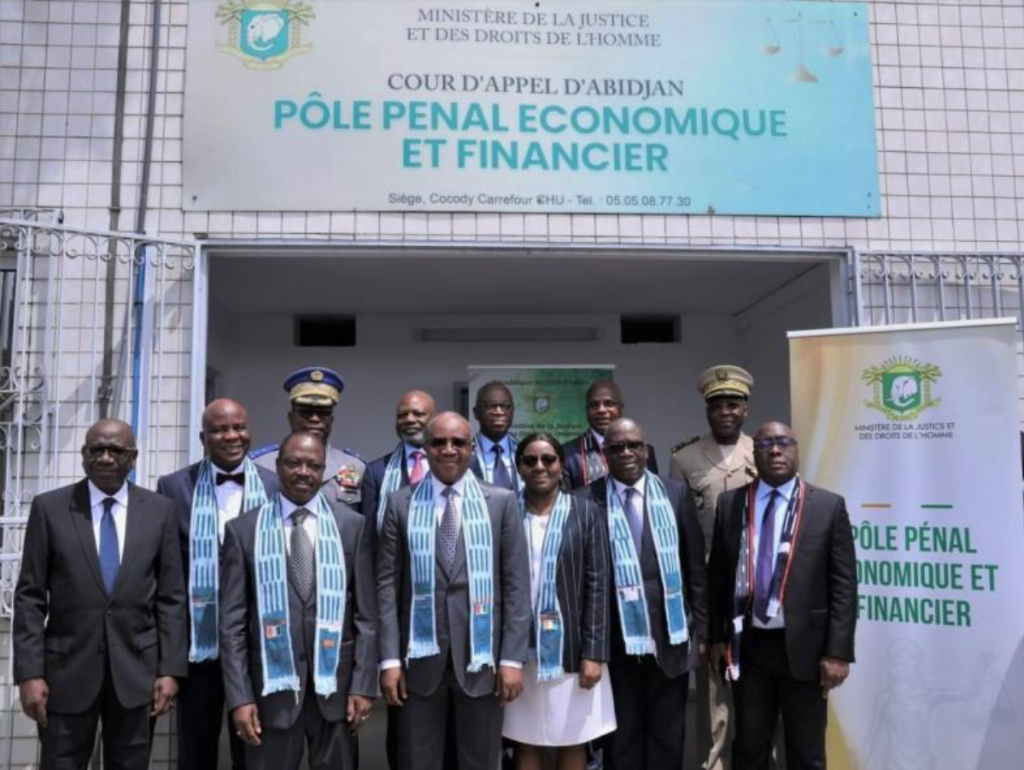
Côte d’Ivoire has reached a decisive turning point in its battle against cybercrime with the arrival of Federal Bureau of Investigation (FBI) agents at the Abidjan Economic and Financial Penal Pole (PPEF). Far from being a covert operation, this move represents a bold strategic alliance to dismantle extortion networks operating from Ivorian soil. Justice Minister Jean Sansan Kambilé has taken the unusual step of addressing growing public concerns, clarifying that the partnership targets cybercriminals—not the integrity of Ivorian justice institutions.
The minister emphasized that this collaboration emerged in response to urgent requests from American authorities following reports of sextortion cases targeting U.S. citizens, some with tragic outcomes. Twelve suspects have already been apprehended and prosecuted through this joint effort, marking the first tangible results of this unprecedented partnership.
Sextortion: The Hidden Crime Fueling the FBI’s Abidjan Mission
The shadowy world of sextortion—where victims are blackmailed with intimate images or videos—has become the primary focus of this cooperation. Operatives typically groom victims online over weeks or months, building trust before coercing explicit content. The FBI’s intervention follows disturbing cases where American victims faced severe psychological trauma, including suicide attempts.
According to Kambilé, these criminal networks have exploited loopholes in digital security, operating across multiple jurisdictions with impunity. The FBI’s presence aims to disrupt these transnational operations by leveraging specialized investigative techniques and cross-border legal frameworks.
The Mechanics of a Joint Task Force
A dedicated Task Force has been established, uniting Ivorian magistrates from the PPEF with American prosecutors and FBI agents. This structure operates under strict protocols designed to align with Ivorian judicial procedures while incorporating international best practices for cybercrime investigation.
The collaboration has already produced measurable results:
- Twelve cybercriminals arrested and prosecuted, with ongoing investigations into additional networks
- Enhanced coordination between Abidjan’s financial intelligence units and U.S. Treasury authorities to track illicit funds
- Training programs for Ivorian investigators in digital forensics and evidence collection
Confronting Corruption Allegations Head-On
Recent media reports suggested that FBI intelligence had triggered a Gendarmerie investigation into alleged corruption within the PPEF. However, the Justice Ministry swiftly denied these claims, stressing that no such investigation exists. Authorities confirmed that the FBI’s role remains strictly limited to combating cyber extortion and money laundering—activities that often intersect in organized crime networks.
The government has framed this partnership as a necessary adaptation to modern criminal threats, emphasizing that the FBI operates solely in an advisory capacity. All arrests and prosecutions are conducted under Ivorian jurisdiction, with American agents providing technical support rather than exercising independent authority.
Sovereignty in Question: Can Côte d’Ivoire Maintain Control?
While the collaboration yields tangible benefits—including Côte d’Ivoire’s recent removal from the Financial Action Task Force’s grey list—the presence of foreign agents in a national judicial institution raises legitimate concerns. Key questions remain unanswered:
- What specific investigative powers do FBI agents possess within Ivorian courts?
- How are the boundaries of this cooperation defined to prevent overreach?
- What mechanisms ensure transparency and accountability?
The government counters that this partnership reinforces—not undermines—Ivorian sovereignty by strengthening local institutions’ ability to combat sophisticated cyber threats. By integrating international expertise, Côte d’Ivoire positions itself as a regional leader in digital crime prevention.
As the Task Force continues its operations, the debate over foreign collaboration in national security matters shows no signs of abating. One thing is clear: Côte d’Ivoire has chosen to confront cyber extortion through decisive action, even as it navigates the complex terrain of international cooperation and domestic authority.



 Boureima Amadou





