Mariama Hamani
Critical juncture for public health: Nigeria confronts imported Ebola threat
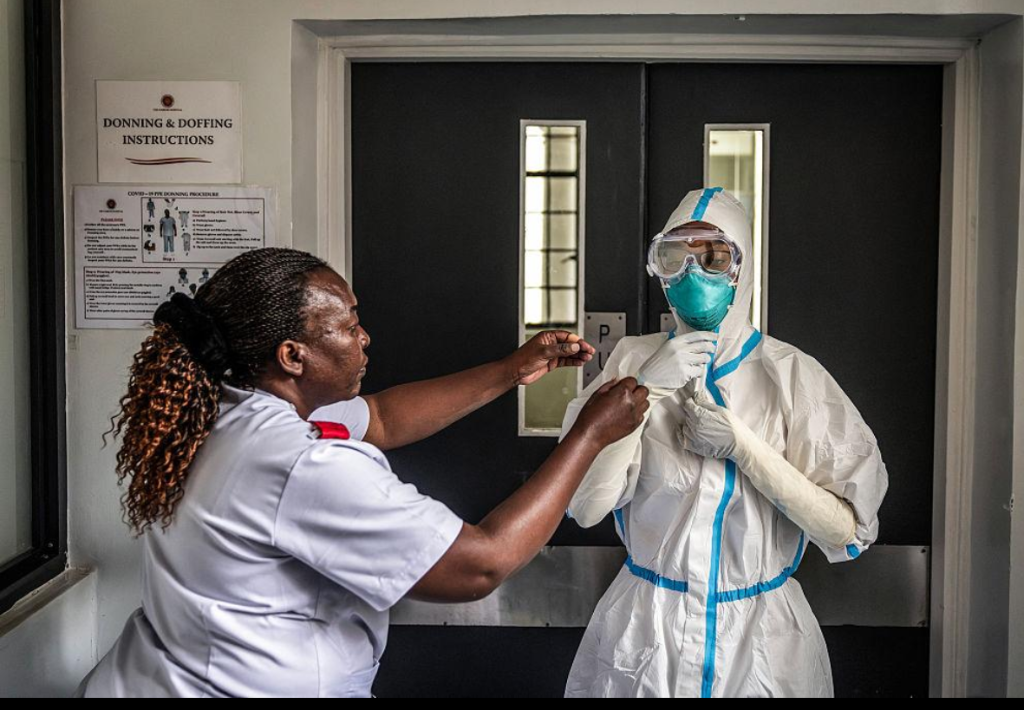
Nigeria has officially confirmed its first imported case of Ebola virus disease in years, with the patient—a woman who recently traveled through East Africa—placed in isolation and receiving medical care in Abuja. The announcement by Health Minister Muhammad Ali Pate marks a decisive turning point, particularly as the Bundibugyo virus strain continues its concerning march across central and eastern African regions.
From central Africa to Abuja: tracing the virus’s journey
Unlike the 2014-2016 West African epidemic, this outbreak stems from the Bundibugyo virus, which has already spread beyond its initial Democratic Republic of Congo (DRC) epicenter. With confirmed cases in Kenya and now Nigeria, the virus has breached borders in five countries since May 2026. The Nigerian patient’s travel history suggests possible exposure during a professional trip to eastern DRC, though Uganda—where she transited—has provided no confirmation of local transmission.
The World Health Organization has underscored the urgency of coordinated regional surveillance. While the patient’s exact infection location remains under investigation, the case highlights the relentless challenge of containing highly mobile viruses in an interconnected continent.
Lessons from 2016: Nigeria’s pandemic response put to the test
The memory of the 2014-2016 West Africa Ebola crisis, which claimed over 11,000 lives across Guinea, Liberia, and Sierra Leone, looms large. Nigeria, though ultimately successful in containing its outbreak, knows firsthand the stakes of delayed detection. Today, the Africa CDC, NCDC (Nigeria Centre for Disease Control), and federal health authorities are mobilized to prevent history from repeating itself.
Key response pillars include:
- Rapid contact tracing (already identifying 44 possibly exposed individuals)
- Enhanced screening at entry points
- Strict isolation protocols for confirmed cases
- Public awareness campaigns to combat misinformation
How Ebola spreads—and how to stop it
Ebola virus disease manifests through severe symptoms including fever, muscle pain, and internal bleeding. Transmission requires direct contact with infectious bodily fluids from symptomatic individuals. Crucially, the virus does not spread through casual proximity, underscoring the importance of targeted containment strategies.
Public messaging plays a critical role in curbing panic and fostering trust. Authorities urge anyone exhibiting symptoms—especially with a travel history to affected regions—to seek immediate medical evaluation rather than self-medicating or avoiding health facilities.
What the future holds: containment or crisis?
While a single imported case does not guarantee an outbreak, Nigeria’s experience serves as a stark reminder: Ebola’s geographic boundaries are fluid. The next 72 hours will be decisive in determining whether this becomes a localized event or the spark for regional spread.
The success of Nigeria’s response hinges on three factors:
- Speed: Rapid isolation and contact tracing to break transmission chains
- Transparency: Clear, consistent communication to prevent misinformation
- Regional collaboration: Shared data and coordinated border health checks
As Africa’s most populous nation braces for potential challenges, one truth emerges: in the fight against Ebola, early action saves lives.
Essential protective measures for communities
To mitigate risks, health officials emphasize:
- Immediate reporting of symptoms to health workers
- Strict avoidance of contact with bodily fluids from cases
- Regular hand hygiene, especially in healthcare settings
- Suspension of non-essential travel to high-risk areas



 Boureima Amadou