Mariama Hamani
Senegal braces for impact as unions escalate fight over unkept pledges
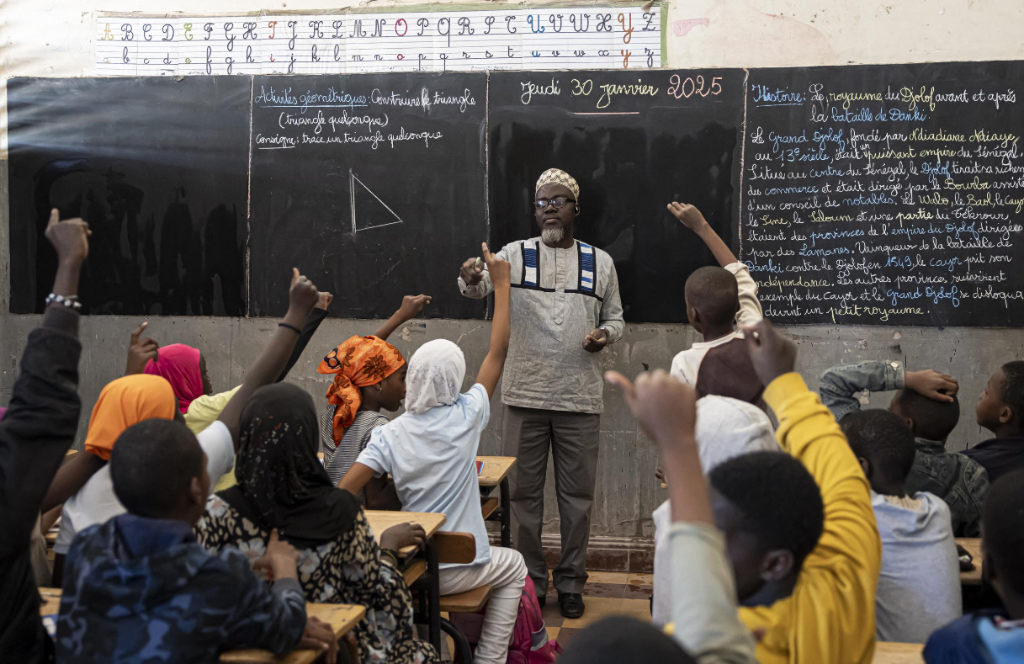
The Senegalese capital is on the brink of a historic labor uprising as trade unions activate a 72-hour strike from October 21 to 23, 2026. At its core, this mobilization isn’t merely about wage delays—it represents a turning point where unfulfilled government promises have ignited widespread frustration across critical sectors. With educational reforms, salary backlogs, and administrative reforms hanging in the balance, workers are making their stand clear: enough is enough.
Education sector takes center stage in nationwide protest
The G7 coalition of seven major teachers’ unions spearheads the movement, citing systemic failures in implementing the April 16, 2026 agreement with the government. Their demands center on three critical fronts:
- Financial justice: immediate payment of overdue allowances and full settlement of contractual teacher wages that have languished for months
- Administrative order: resolution of pending cases that have left educators in professional limbo
- Professional development: full funding and implementation of universal diploma training programs that remain stalled despite formal commitments
The education sector’s plight has been exacerbated by delayed academic year preparations—originally scheduled for September but postponed until October 12 due to catastrophic flooding. This crisis has now collided with an unprecedented labor dispute that threatens to derail the entire school calendar.
The syndicate alliance expands beyond classroom walls
The Front syndical pour la défense des travailleurs (FSDT) has broadened the conflict’s scope, rallying support across public, parapublic, and private sectors. Their platform demands:
- Implementation of long-overdue labor reforms promised in 2025
- Protection of worker rights amid economic uncertainty
- Transparent salary structures for temporary and contract employees
- Guaranteed funding for vocational training initiatives
The cumulative impact of these demands—if ignored—could paralyze essential services from healthcare to transportation, creating ripple effects throughout Senegal’s economy.
Government response: carrot and stick approach
Prime Minister Ahmadou Al Aminou Lo has adopted a dual strategy of negotiation and firmness. Following a pivotal October 15 tripartite meeting, he proposed a three-month moratorium on strikes to facilitate negotiations. However, the Ministry of Public Service and Labor issued a stark warning on October 20: strikes violating established procedures could trigger salary deductions and disciplinary measures for participating workers.
Government officials have simultaneously pledged to maintain transportation routes, ensure worker mobility, and protect non-striking employees from intimidation—measures clearly designed to prevent economic strangulation during this critical period.
Political tensions color an already volatile situation
This labor crisis erupts against a backdrop of political fragmentation. Public disagreements over 2027 budget allocations have exposed deep divisions between executive branches and parliamentary leaders. These institutional fractures threaten to weaken the government’s ability to respond coherently to social unrest while maintaining economic stability.
The looming Youth Olympic Games add another layer of complexity. Authorities face immense pressure to preserve Senegal’s international image while addressing legitimate worker concerns—creating a high-stakes balancing act between national pride and social justice.
What’s at stake: credibility versus continuity
For Senegal, this strike represents more than a labor dispute—it’s a referendum on government credibility. The fundamental question facing citizens, students, and businesses alike is whether the state can reconcile fiscal responsibility with keeping its promises. Failure to deliver concrete results risks permanent damage to public trust in institutions.
The path forward requires more than temporary concessions. Lasting solutions demand:
- A clearly defined timeline for implementing existing agreements
- Structured negotiations that include all affected sectors
- Immediate financial measures to address the most urgent worker grievances
- Transparent communication to rebuild confidence in public institutions
As Senegal stands at this crossroads, the outcome of this conflict will shape not only the immediate future of its workforce but also the long-term relationship between citizens and their government.
Implications for every Senegalese
The consequences of this strike extend far beyond policy documents and negotiation tables:
- Students: potential disruption to academic schedules and exam preparations
- Families: uncertainty in accessing essential public services
- Businesses: operational challenges in critical sectors
- Government: erosion of public confidence and international reputation risks
The coming days will determine whether Senegal can transform this moment of confrontation into an era of renewed social contract—or whether the cycle of broken promises and unmet expectations will continue unabated.