Boureima Amadou
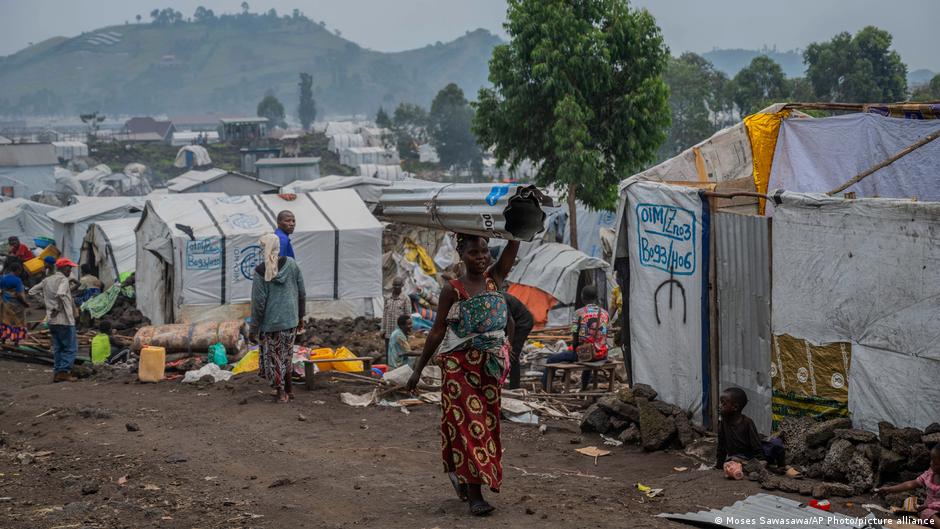
Niger is currently grappling with a significant humanitarian challenge, as over one million individuals find themselves forcibly displaced. A substantial portion of these are internally displaced persons, accounting for more than half of the total. These populations are predominantly concentrated in two southern regions of the nation, areas heavily impacted by the activities of extremist groups. The remaining displaced individuals comprise refugees and asylum seekers, all requiring urgent assistance within what is described as a highly complex operational environment.
Among the internally displaced in Niger, a staggering figure exceeding half a million people, it is observed that over 50% are children, with women making up 23% of this vulnerable group. These statistics reflect an alarming 8% annual increase in internal displacement figures.
However, a comprehensive analysis of these displacement trends remains challenging due to the inconsistent validation of data by Nigerien authorities.
Significant Security Deterioration Fuels Displacement
Of the nearly 550,000 internally displaced individuals, a significant 45% are located in the Tillabéri region, situated in southwestern Niger. This area has witnessed a profound decline in security, marked by frequent assaults targeting both civilians and security forces, leading to widespread population movements and heightened protection risks, particularly in border zones.
Concurrently, one-third of the displaced population resides in the Diffa region, another area contending with persistent pressure from terrorist organizations.
Refugees and Asylum Seekers Seek Haven in Niger
Beyond internal displacement, Niger also provides refuge for 447,000 refugees and asylum seekers. Over half of this population are children, with the majority originating from neighboring Nigeria, alongside significant numbers from Mali and Burkina Faso. This segment of the displaced community has seen a 3% rise over the past year, attributed to ongoing registration efforts.
Across the Sahel, a vast semi-arid region of Africa encompassing nations like Mali, Burkina Faso, and Niger, the escalating security crisis has triggered a severe humanitarian emergency. This situation is characterized by increasing violence against civilians, large-scale displacements, and a worsening food insecurity crisis throughout the area.