Boureima Amadou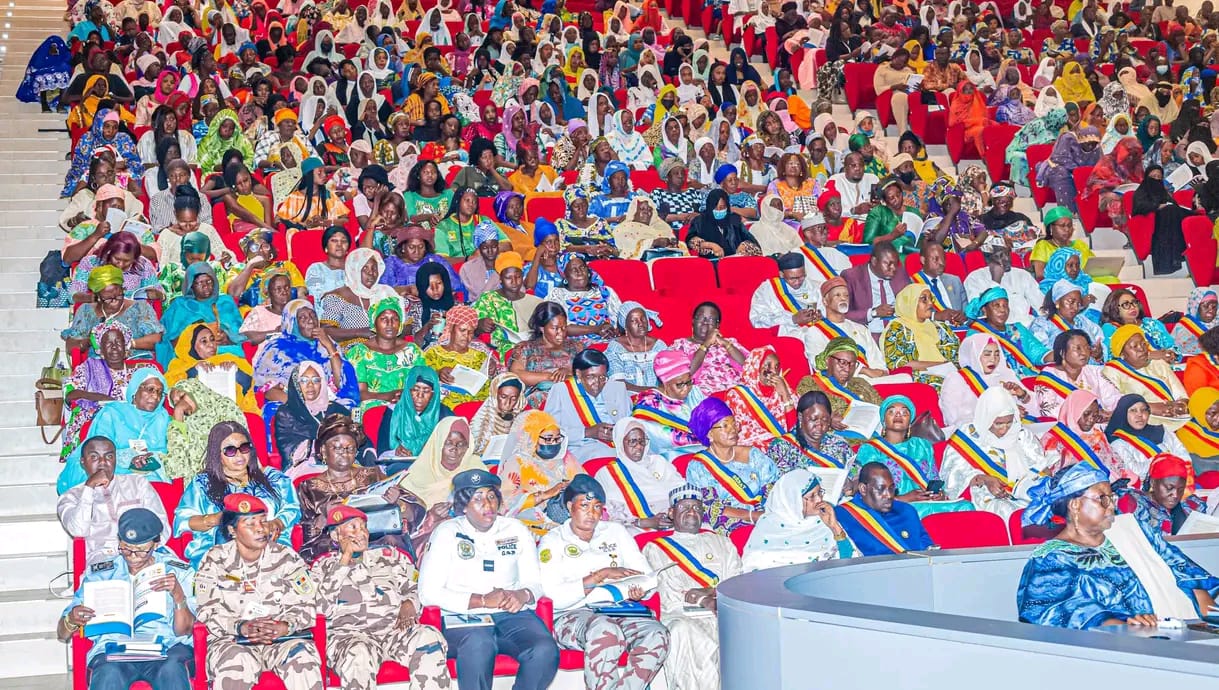
Chad’s economic gender gap: where does the country stand in africa?
Fresh insights from the Women, Business and the Law 2026 report reveal a striking disparity in economic rights for women across Africa. While several nations have made marked progress, Chad continues to lag behind in this critical area.
The landlocked nation ranks 36th out of 54 African economies, earning a score of 51.40 out of 100. It trails slightly behind Burundi (35th, 52.68 points) but outperforms Botswana and Nigeria, which share the 37th spot with 51.10 points. Chad’s placement places it firmly in the lower half of the continental ranking, far from the leading performers.
Top performers in africa lead the way
Mauritius tops the list with a score of 82.30, followed by Togo in second place (79.33 points) and Côte d’Ivoire in third (78.25 points). Zambia and South Africa round out the top five. These countries have achieved their standing through bold legislative reforms addressing mobility, employment, marriage, and entrepreneurship.
Chad’s score of 51.40 falls well short of both the African average (67 points) and the global benchmark. The report acknowledges a positive step forward in safety, noting the introduction of laws against sexual harassment in public spaces. However, significant gaps remain in areas such as access to credit, workplace discrimination protections, parental rights, and inheritance laws.
Barriers to women’s economic participation in Chad
Despite women comprising the majority of the workforce—particularly in agriculture and informal sectors—structural barriers impede their full economic participation. Limited access to financial resources, weak enforcement of anti-discrimination measures, and outdated property rights collectively constrain their opportunities. The report emphasizes that while laws exist, their practical implementation remains inconsistent across the continent, with only half of supportive legislation effectively enforced worldwide.
For Chad, this ranking serves as both a reality check and a roadmap for action. Targeted reforms in property rights, financial inclusion, and violence prevention could unlock greater economic potential for women, fostering a more equitable and inclusive growth trajectory for the nation.


 Mariama Hamani