Boureima Amadou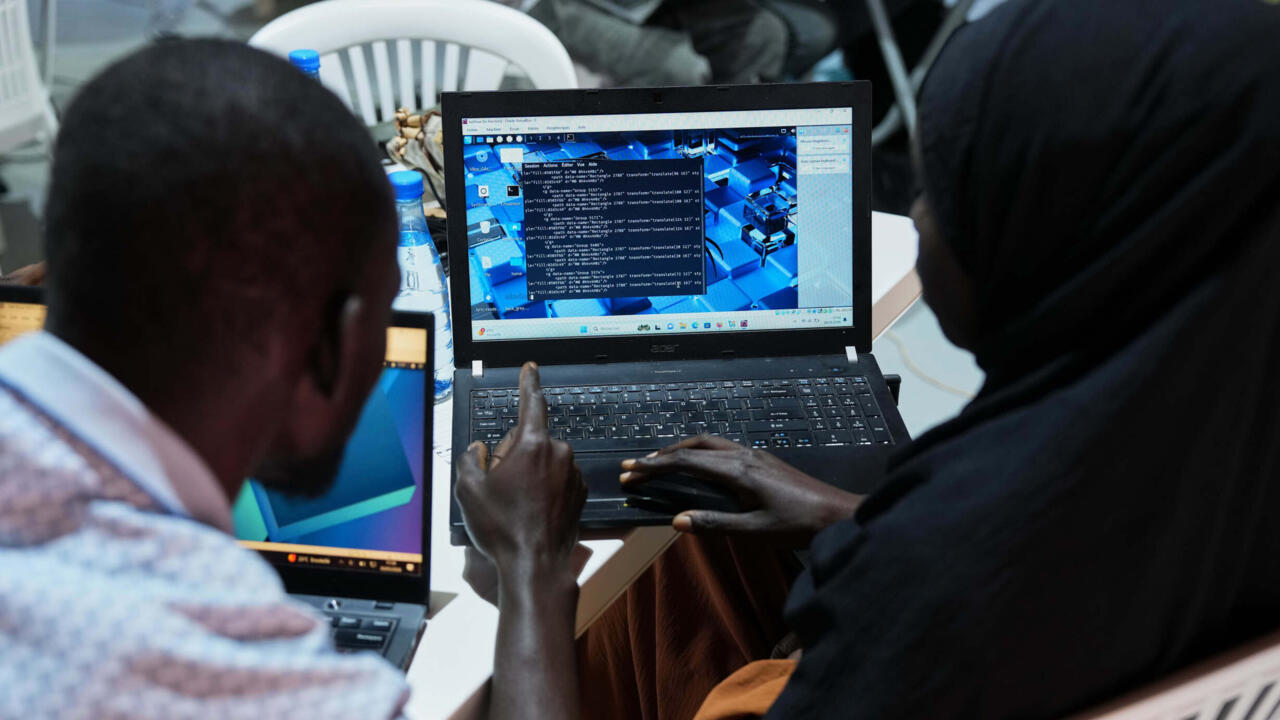
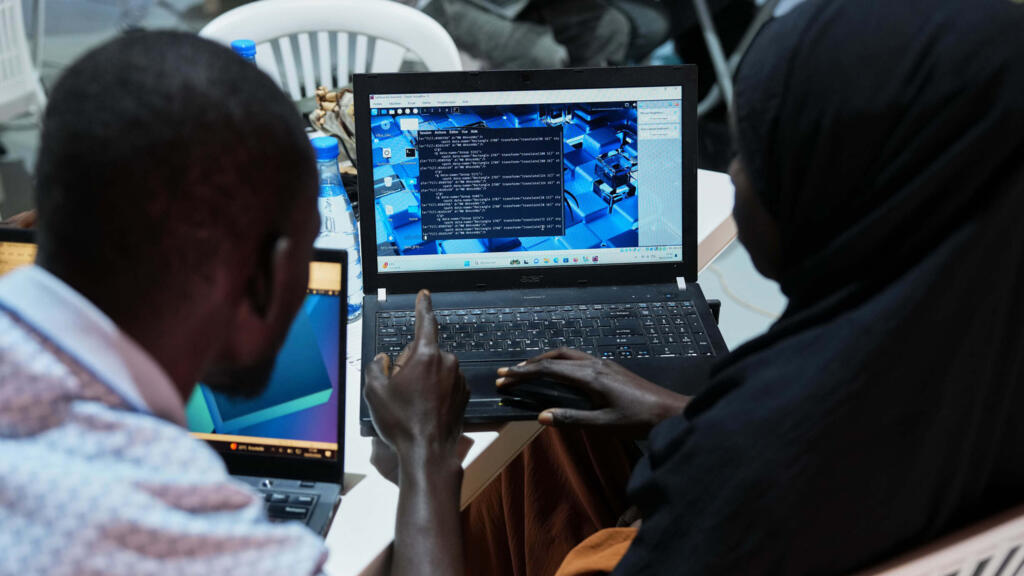
The nation of Senegal is grappling with a concerning surge in cyberattacks targeting its governmental digital infrastructure. Following incidents affecting the tax authority’s website in October and the national identity card department in January, the Public Treasury has now become the latest victim of malicious hackers.
While individual occurrences might be dismissed as isolated technical glitches, the recurring nature and critical targets of these breaches expose a profound vulnerability within Senegal‘s public digital systems. This pattern underscores a deeply troubling reality for the nation’s online resilience.
The escalating threats have brought Senegal‘s digital resilience into sharp focus. A prominent cybersecurity expert in Dakar advocates for the establishment of a dedicated national cybersecurity agency. Such a body, the expert argues, would significantly enhance the coordination of incident responses. Furthermore, the expert emphasizes the importance of developing centers of excellence, fostering research, and actively involving local specialists in critical national digital initiatives.
Mountaga Tall’s family to pursue legal action
The family of the Malian lawyer and politician, Mountaga Tall, has announced intentions to initiate legal proceedings following his apprehension earlier this month by armed, masked individuals. This incident draws striking comparisons to the January 2024 arrest of attorney Guy Hervé Kam in Burkina Faso.
Tall, who leads the political movement Sens, now faces charges of « complot contre la sûreté de l’État » and « association de malfaiteurs ». Both cases exhibit troubling parallels: opaque disappearances or arrests, an initial lack of clear official communication, the immediate involvement of legal counsel, and a surge of intense social media campaigns. These events collectively highlight a growing tension between legitimate security imperatives and the fundamental respect for public liberties.
Constitutional reform debate intensifies in the Democratic Republic of Congo
Ejiba Yamapia, president of the Church of Revival of Congo, has publicly advocated for a comprehensive overhaul of the 2006 Constitution, which he controversially labeled a « constitution de belligérance ».
The religious leader champions a new foundational law that would be « orientée vers le développement et la souveraineté », proposing a shift towards a « plus présidentiel » system of governance. He urged political figures to prioritize « le consensus républicain plutôt que les intérêts électoraux ».
These statements have ignited strong disapproval from segments of the opposition. Prince Epenge, spokesperson for the Lamuka coalition, voiced his alarm, suggesting that the Church is becoming « le soldat au service du troisième mandat de Félix Tshisekedi », and directly criticized Ejiba Yamapia’s stance.
African Athletics Confederation president passes away
Colonel Hamad Kalkaba Malboum, a prominent figure in African sports, has passed away in Yaoundé at the age of 75. He also held the esteemed position of president of the National Olympic and Sports Committee of Cameroon. In Rabat this morning, Moroccan athlete Aziz Daouda delivered a heartfelt tribute to the late leader.
« Aujourd’hui, » Daouda remarked, « l’athlétisme africain perd bien plus qu’un dirigeant. Il perd un militant. » « Avec lui s’éteint l’un des derniers grands bâtisseurs d’une génération qui croyait que l’Afrique pouvait conquérir sa place dans les instances sportives mondiales ».
Daouda concluded by emphasizing Malboum’s vision: « Pour lui, l’Afrique n’était pas un simple réservoir de talents destinés à enrichir d’autres nations. Elle devait devenir une puissance sportive organisée, respectée et influente. »