
 Boureima Amadou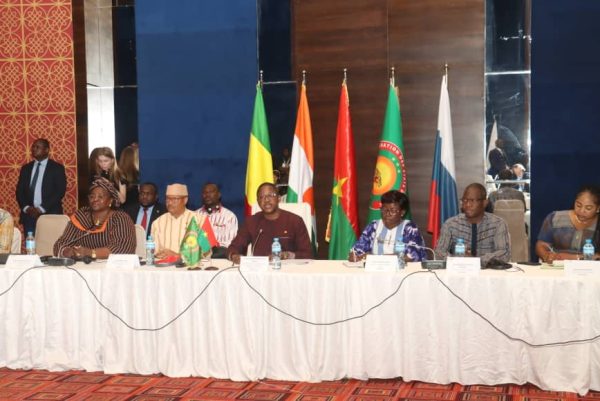
The Alliance of Sahel States (AES) and Russia are significantly strengthening their strategic bond. Foreign ministers from Niger, Burkina Faso, Mali, and the Russian Federation converged in Niamey for the second session of their ministerial consultations, reaffirming their commitment to a partnership that now extends beyond military collaboration into economic, diplomatic, and development spheres.
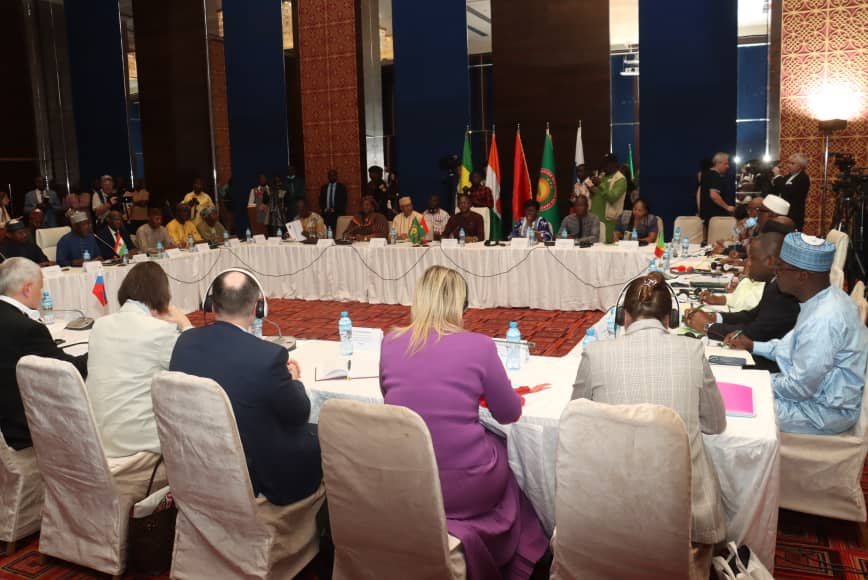
Niamey served as the focal point for diplomatic exchanges between the AES and Russia this Wednesday, July 8th. During the second ministerial consultation session, the four chief diplomats reviewed their cooperation, deeming its progress positive, and began charting the course for an enhanced partnership poised to grow in the coming years.
Central to their discussions was the reinforcement of security cooperation, particularly as the three Sahelian nations continue to confront the persistent threat posed by armed terrorist groups. However, the talks also encompassed vital areas such as regional integration, economic advancement, the responsible development of natural resources, and bolstering the sovereignty of AES member states.
Expanding the scope of cooperation
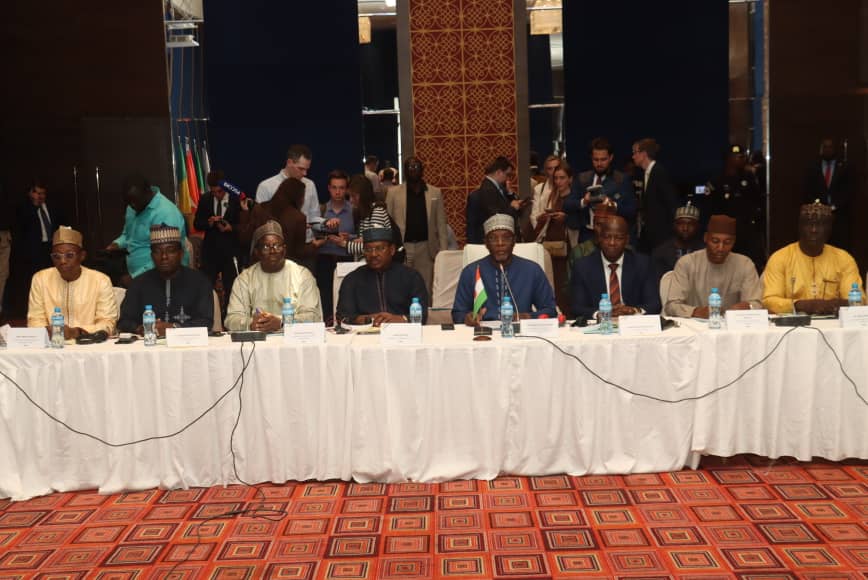
In his opening remarks, Niger’s Minister of Foreign Affairs and Cooperation, Yaou Sangaré, characterized this gathering as a pivotal moment in solidifying the strategic partnership between the two entities.
He articulated that this session provided an invaluable opportunity to assess the outcomes of decisions made during the initial consultations and to outline new, shared priorities moving forward.
The Nigerien chief diplomat highlighted several achievements already realized, particularly in the military domain, including the signing of new accords, enhanced capabilities for defense and security forces, the implementation of social projects, and an increase in official visits between the partners.
He further emphasized the future trajectory of this collaboration, which is expected to focus on the gradual empowerment of Sahelian armies, improved border surveillance, and the strategic valorization of natural resources within the Confederation’s member countries.
A unified vision for sovereignty
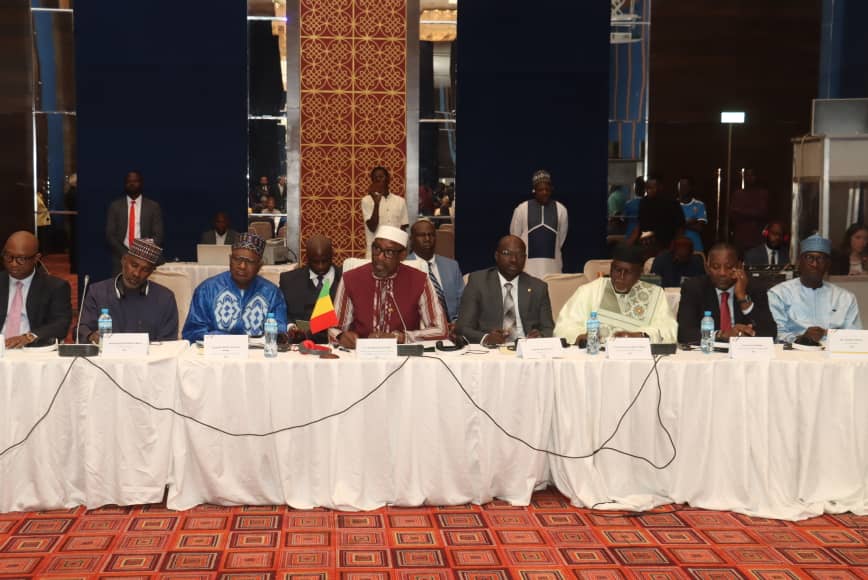
Ministers from Burkina Faso and Mali, in turn, underscored the diplomatic alignment between the AES and Moscow.
Burkina Faso’s Minister of Foreign Affairs, Karamoko Jean-Marie Traoré, expressed his belief that the cooperation instruments reviewed in Niamey would further structure joint diplomatic initiatives across several strategically important sectors.
His Malian counterpart, Abdoulaye Diop, commended Russia’s stance, recognizing it as a partner that has maintained a “pragmatic” approach to Sahelian realities, even amidst international scrutiny.
According to Diop, the dialogue between the two parties has transcended mere security matters, now encompassing economic, commercial, and diplomatic domains.
Moscow reaffirms its commitment
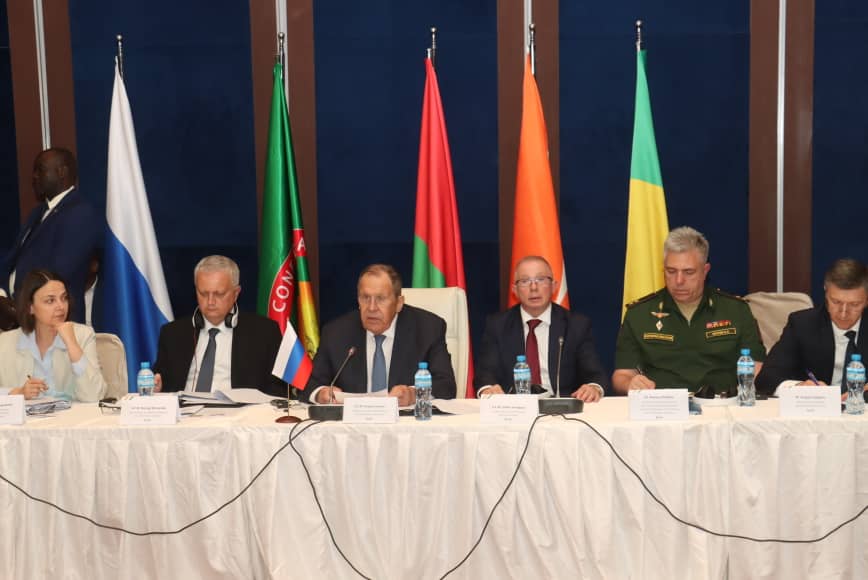
Present in Niamey, Russian Foreign Minister Sergueï Lavrov reiterated Moscow’s dedication to supporting the AES nations in their endeavors to solidify security and foster regional integration.
The head of Russian diplomacy also advocated for strengthening bilateral and multilateral relations, while championing the emergence of a multipolar international order, which he asserted should be founded on respect for state sovereignty. For Moscow, this cooperation is intended to inject fresh momentum into relations between Russia and the three Sahelian countries.
An alliance taking structured form
Since the establishment of the Alliance of Sahel States, regular consultations with Russia have emerged as a primary framework for dialogue between these partners.
With each successive meeting, this cooperation is adopting an increasingly structured dimension. While the fight against terrorism remains its fundamental cornerstone, discussions now consistently integrate issues related to development, investments, economic integration, and regional governance.
The Niamey assembly reflects a dual ambition: to reinforce the sovereignty and stability of Sahelian states, while simultaneously giving tangible form to international partnerships that benefit the local populations. By broadening cooperation beyond military aspects, the AES intends to transform these alliances into a vital engine for development and a promise of a brighter future for the Sahel.


 Mariama Hamani




