Boureima Amadou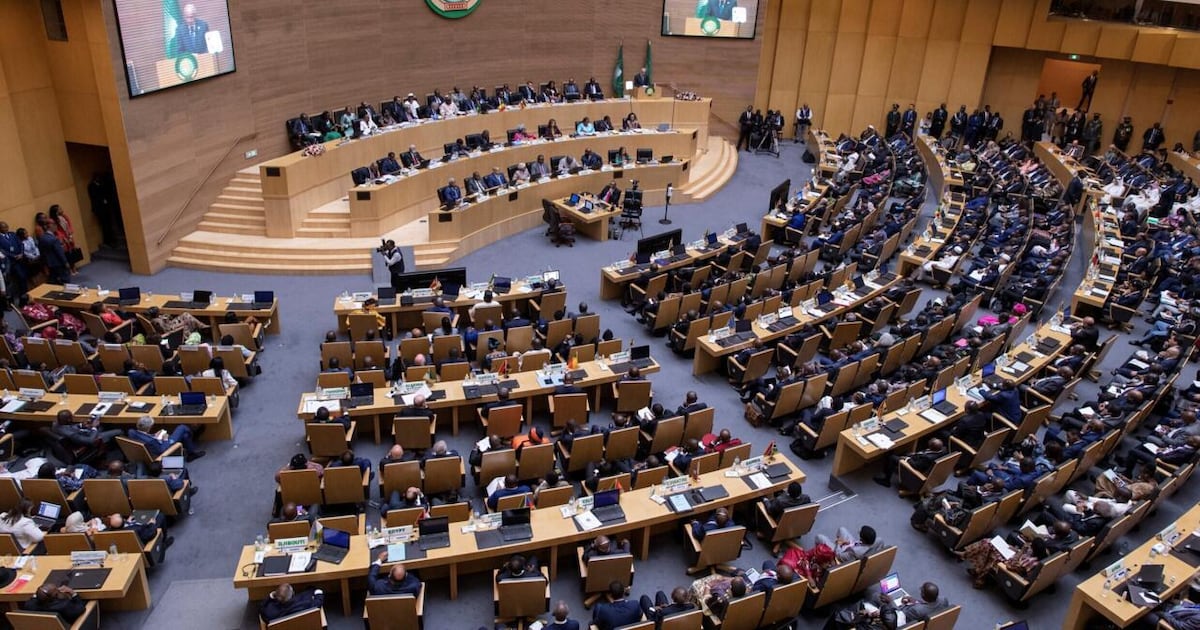
Since its historic reintegration into the African Union in 2017, the Kingdom of Morocco has methodically solidified its strategic footprint across the continental body. Through extensive regional consultations across North Africa, the country has secured multiple high-level positions within the Union’s key structures and decision-making organs.
Morocco now holds nine pivotal roles, placing it at the forefront of its subregion in terms of elective representation. Among these responsibilities, the Kingdom will serve as Vice-President of the Ministerial Committee for African Candidacies within the international system, playing a decisive role in shaping the continent’s leadership landscape. Additionally, it assumes the Vice-Presidency of the Contributions Committee, a critical body tasked with evaluating the financial contributions of member states—ensuring equitable burden-sharing and sustainable funding for the Union’s operations.
The Moroccan delegation is also embedded in specialized technical committees that drive policy formulation. These include the Committee on Justice and Legal Affairs, the Committee on Economic Development, Tourism, Trade, Industry and Mining, as well as the Permanent Representatives Bureau for Institutional Reforms. In these forums, Morocco contributes to shaping policies on governance, economic integration, and sustainable resource management.
Environmental stewardship and human rights also feature prominently in Morocco’s expanded portfolio. It leads the Subcommittee on Environmental Matters and participates in the Subcommittee on Human Rights, Democracy and Governance, reflecting its commitment to Africa-wide priorities. Furthermore, Morocco’s election to the Board of Directors of the African Centre for Migration Studies and Research underscores its central role in addressing one of the continent’s most pressing challenges: migration. This strategic positioning allows Moroccan experts to contribute to evidence-based policy solutions rooted in shared responsibility and humanitarian principles—a vision championed by King Mohammed VI.
The Kingdom’s re-entry into the African Union on 30 January 2017 in Addis Ababa marked a decisive break from decades of absence. After withdrawing from the Organisation of African Unity in 1984, its return signaled a bold reorientation of national strategy, shifting from passive disengagement to proactive leadership. This shift has yielded significant diplomatic dividends, particularly on the question of territorial integrity. Through sustained advocacy and diplomatic initiative, Morocco has repositioned the Sahara dossier, transforming it from a reactive stance to an agenda-setting force within the Union’s corridors—neutralizing attempts to isolate its position.
This pragmatic approach has not only safeguarded Morocco’s core interests but has also catalyzed a wave of bilateral agreements with African partners. These alliances have unlocked new avenues for economic cooperation, technological exchange, and continental cohesion, laying the groundwork for a more integrated and resilient Africa. The past few years have thus redefined Morocco’s role—not just as a participant, but as a catalyst for progress in Africa’s institutional and developmental future.


 Mariama Hamani