Boureima Amadou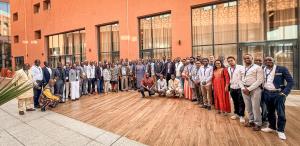
Strengthening disease surveillance through data precision in Dakar
In a significant move to bolster public health across the continent, more than 80 specialists from 19 African nations have convened in Dakar this week. Their mission is to harmonize and elevate the quality of data used in polio surveillance and outbreak responses. This collaborative effort is vital for identifying disease trends, optimizing vaccination schedules, and ensuring children throughout the Africa region remain safe from the threat of polio.
The intensive sessions are part of a specialized workshop focused on data quality assessment and the coordination of polio-related workstreams. Running from June 8 to June 19, 2026, the initiative is spearheaded by the regional polio eradication program to modernize how health information is managed and utilized.
A multi-sectoral approach to health data
The gathering brings together a diverse group of stakeholders, including representatives from national Ministries of Health, reference laboratories, and regional health offices. By aligning these various entities, the workshop aims to fortify the data systems that underpin polio detection and facilitate rapid, evidence-based interventions during outbreaks.
Participants are conducting deep dives into several critical areas, such as the monitoring of Acute Flaccid Paralysis (AFP), environmental sampling, and laboratory analysis. A significant portion of the agenda is dedicated to digital surveillance and supplementary immunization activities. By identifying current bottlenecks in data transmission, the experts hope to implement practical fixes that ensure a steady flow of reliable information.
Digital innovation and regional vigilance
The program includes hands-on training with new digital tools designed to promote data-centric decision-making at every level of the health system. These platforms are essential for the rapid reporting and analysis required to stay ahead of the virus. During the official opening, Dr. Yao N’da Konan Michel expressed gratitude to the government of Sénégal for hosting the event and praised the country’s ongoing commitment to managing infectious diseases.
Dr. Yao noted that while the Africa region achieved a historic milestone in 2020 by being declared free of indigenous wild poliovirus, the continued presence of variant strains requires unwavering alertness. He emphasized that success depends on high-quality surveillance and the ability to close immunity gaps through robust digital governance.
Kebba Touray, a lead in data and information management, highlighted that the workshop represents a collective promise to protect the progress made in public health. He credited years of dedicated funding and technical support for the creation of these advanced systems. Touray warned that failing to address data gaps would make it nearly impossible to track the effectiveness of vaccination campaigns or accurately assess the risks of new outbreaks, potentially stalling the march toward total eradication.