Boureima Amadou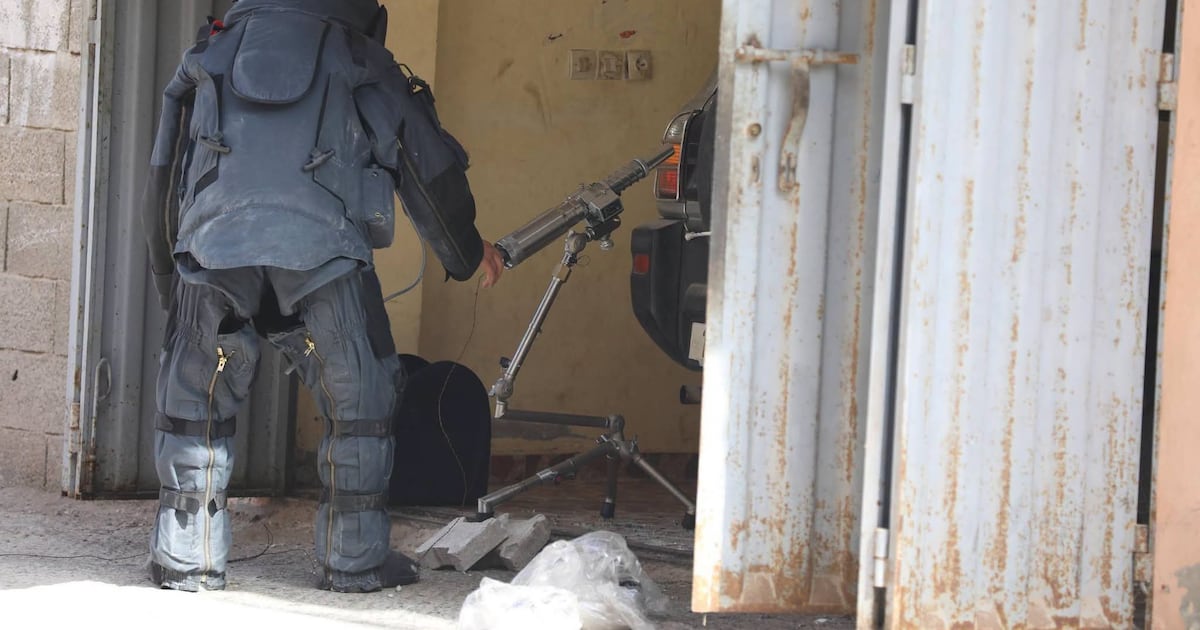
Just before dawn on a quiet Monday in early July 2026, the coastal village of Aourir, nestled north of Agadir, remained shrouded in darkness. Residents slept unaware as a fleet of armored vehicles and elite units silently rolled through the narrow streets. Their mission: intercept a high-risk individual, a radicalized extremist who had pledged allegiance to the Islamic State (Daech). Acting on precise intelligence from the Directorate General for Territorial Surveillance (DGST), the Special Forces executed a flawless operation. The suspect was neutralized within seconds of breaching the door.
The subsequent search by the Central Bureau of Judicial Investigations (BCIJ)—a DGST affiliate—revealed just how advanced the threat had become. The man wasn’t merely espousing extremist ideology; he possessed combat-ready weapons and tactical gear. By sunrise, Aourir’s residents awoke to a heightened security presence, caught between shock at the near-miss and relief that disaster had been averted.
a hidden bomb-making hub uncovered
Less than twenty kilometers south, in the industrial outskirts of Inezgane, a far deadlier discovery awaited. Within a clandestine warehouse in the Traast El Jorf district, investigators uncovered a full-scale logistical hub designed for mass destruction.
A modified 4×4 vehicle stood at the center of the operation. Mechanical analysis confirmed its fuel tank had been illegally converted to run on butane gas—a crude but devastating tactic to amplify thermal impact and blast radius in potential suicide attacks or vehicle-ramming strikes against critical national infrastructure.
Faced with the immediate risk of detonation, the BCIJ activated an emergency protocol: evacuating nearby residents, deploying bomb disposal experts from the National Security Directorate (DGSN), and deploying robotic units equipped with advanced sensors to inspect the vehicle’s interior without human exposure.
The inventory that followed sent chills through the investigation team. Stacks of gas canisters, pressure cookers rigged with nails as shrapnel, soldering equipment, detonators, and a disturbing array of solid and liquid chemicals were seized—evidence of meticulous preparation for large-scale terrorism.
a synchronized nationwide crackdown
While the operational heart of the cell lay in the Souss region, its web extended across Morocco. To prevent premature alerts, the DGST Special Forces executed simultaneous raids in seven cities: Agadir, Taroudant, Casablanca, El Hajeb, Tétouan, Fquih Ben Salah, and Safi. The operation culminated in the arrest of ten suspects, including a 17-year-old—highlighting the group’s cynical recruitment of minors—and a former inmate previously convicted under anti-terrorism laws, raising concerns about recidivism within radical networks.
Searches across multiple locations, supported by explosive detection dogs, uncovered a trove of digital and physical assets: military uniforms, handwritten bomb assembly manuals, and digital files containing two damning videos. One showed the suspects formally pledging allegiance to Daech’s self-proclaimed caliph, while the other contained explicit threats to sabotage national infrastructure.
Sahel-linked command structure exposed
Preliminary findings reveal a disturbing evolution in regional terror tactics. Cell members received direct orders and logistical support from Daech operatives in the Sahel. The strategy was clear: avoid joining insurgencies in sub-Saharan Africa, instead embedding within Morocco to execute domestic terror attacks.
The cell was structured like a military unit, with compartmentalized roles to minimize leaks. A reconnaissance team scouted potential targets, a logistics unit procured chemicals and equipment discreetly, and a technical team in Inezgane modified vehicles and assembled explosives.
The DGST and BCIJ’s swift intervention prevented what could have been a catastrophic event. Nine suspects were remanded in custody, while the minor was placed under specialized supervision under the terrorism prosecution unit. As calm returned to Aourir and Inezgane, forensic teams began decrypting seized devices to trace encrypted communications with the Sahel, ensuring no dormant threats remained.