Mariama Hamani
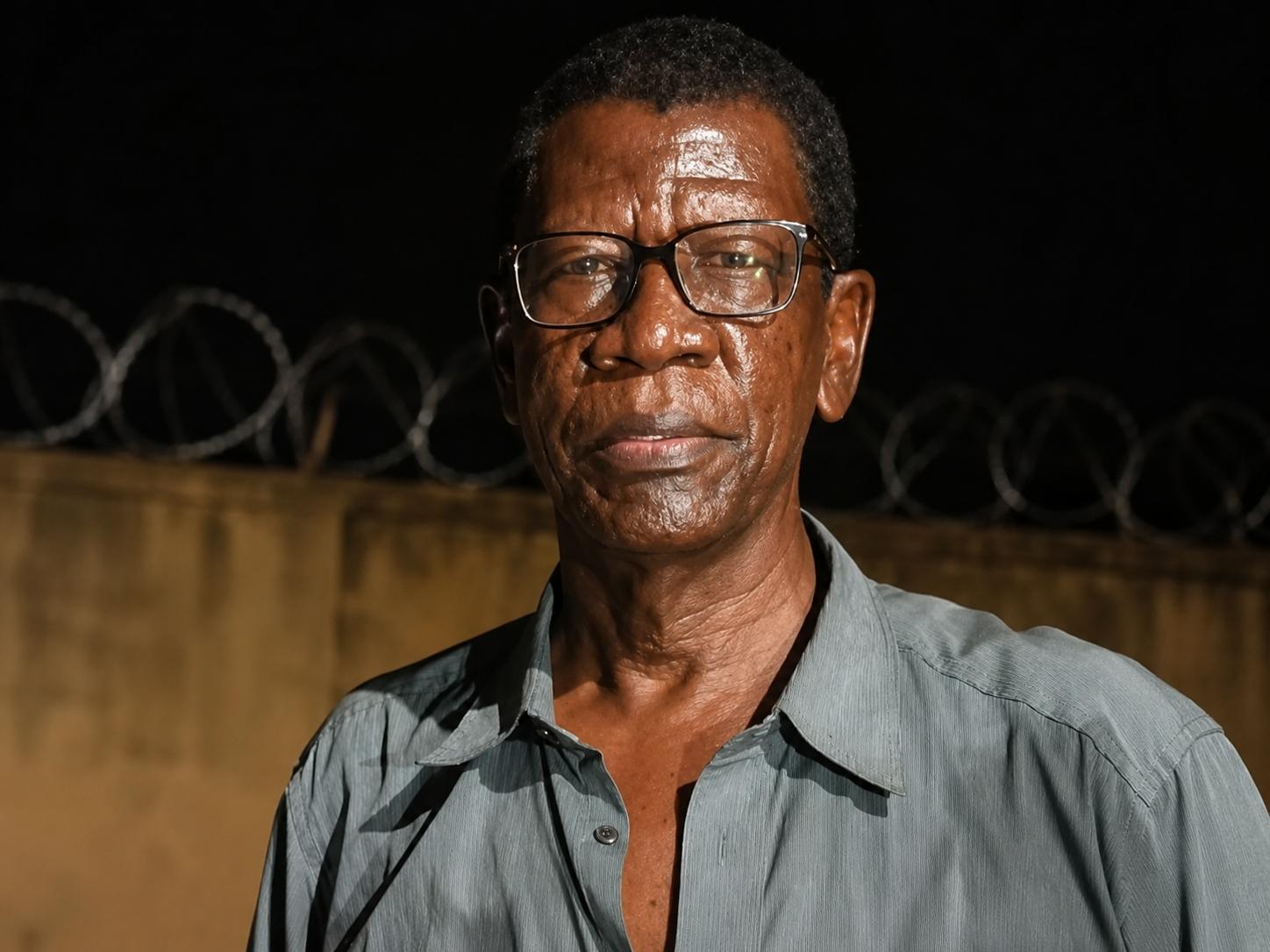
Ivorian online activist Ibrahim Zigui has been granted provisional freedom after spending ten months in detention, his legal team confirmed. This decision temporarily concludes a legal process that has become a defining aspect of Côte d’Ivoire’s pre-electoral climate, where critical digital expression faces intense scrutiny from judicial authorities.
Detention highlighted treatment of critical voices in African governance
As a prominent figure in online activism, Ibrahim Zigui gained recognition on social media for his outspoken opinions regarding Ivorian governance. His lengthy incarceration, spanning nearly ten months, was widely interpreted by several human rights organizations as a warning to the most vocal online publishers. While his release has been announced by his defense, it does not constitute an acquittal; the judicial proceedings are ongoing, and the cyberactivist remains subject to the obligations associated with his provisional status.
This case aligns with a series of arrests targeting influencers, bloggers, and administrators of popular social media pages across Côte d’Ivoire in recent years. The charges typically brought by the prosecution in such disputes often involve the dissemination of false information, undermining public order, or contempt. These legal classifications, reinforced by the 2017 law on combating cybercrime, have established a legal precedent now closely observed by Abidjan’s international partners.
A political signal ahead of crucial elections
This decision to grant provisional release comes at a particularly sensitive political juncture. Côte d’Ivoire is preparing for significant electoral events, and the Ivorian executive frequently faces questions about its approach to public liberties from both Western chancelleries and pan-African organizations. In practice, every judicial decision concerning a well-known activist takes on a political dimension that extends beyond the purely penal framework, shaping African current affairs.
For Zigui’s defense lawyers, this measure confirms the fragility of the initial case. The prosecution, however, asserts that it in no way prejudges the merits of the case. Nevertheless, the affair has rallied numerous advocacy groups and spurred public discussions, including within the Ivorian diaspora, whose influence on domestic debates has grown with the central role of digital platforms in the nation’s political life.
Cybercrime: a legal framework under scrutiny
Côte d’Ivoire’s legal framework for cybercrime, originally established to combat online fraud and the promotion of terrorism, is now being used as a basis for prosecuting political publications. This evolving application is documented in various NGO reports, which highlight a gradual expansion of its scope. Regionally, Côte d’Ivoire is not alone; Sénégal, Bénin, and Togo have experienced comparable controversies regarding the implementation of their digital laws.
The regulation of online content presents a complex challenge for West African states. On one hand, the proliferation of rumors and coordinated disinformation campaigns demands a public response. On the other, the extensive use of penal measures against critical figures fuels suspicions of a shrinking civic space. Investors and donors, who prioritize institutional stability, are monitoring these developments with renewed vigilance.
The legal process continues
Ibrahim Zigui’s release does not close his case. The cyberactivist will eventually appear before the relevant court, and his legal counsel intends to seek a full acquittal on the merits of the case. In the interim, his provisional freedom comes with standard restrictions, particularly concerning public communication. Digital rights advocates will continue to monitor his situation, viewing it as a critical test of the current balance in Côte d’Ivoire.
The final judicial outcome will significantly influence how observers interpret Côte d’Ivoire’s trajectory as elections approach. It will also clarify how Abidjan intends to reconcile the imperatives of information security with guarantees for online freedom of expression.

 Boureima Amadou