Boureima Amadou
- Top Stories
- Politics
Morocco tightens electric scooter rules to boost road safety
The Moroccan government has taken decisive steps to modernize road safety regulations, introducing stricter guidelines for electric scooters and upgrading the national biometric passport system.
In a cabinet meeting held in Rabat, officials approved two critical decrees: one enhancing the security features of Morocco’s biometric passports and another regulating the use of electric scooters and similar personal mobility devices.
The first decree, spearheaded by Interior Minister Abdelouafi Laftit, introduces a new generation of biometric passports with advanced anti-fraud protections. These passports will incorporate cutting-edge security features to safeguard against forgery while reinforcing national identity credentials. Existing biometric passports will remain valid until they are gradually phased out through normal renewal processes.
New electric scooter regulations unveiled
The second decree addresses the rapid rise of electric scooters in urban areas by setting clear operational rules. Key provisions include:
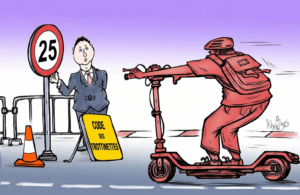
- Maximum speed limit of 25 km/h for electric scooters
- Mandatory use of approved helmets for riders
- Strict ban on wearing headphones or audio devices while riding
- Prohibition of electric scooter use by children under eight years old
- Special provisions for transporting young children safely
The government emphasizes that these measures are designed to align with evolving urban mobility trends while prioritizing public safety and responsible usage of shared public spaces. Authorities believe the new framework will significantly reduce accident risks and encourage safer adoption of alternative transportation methods across Moroccan cities.


 Mariama Hamani