Mariama Hamani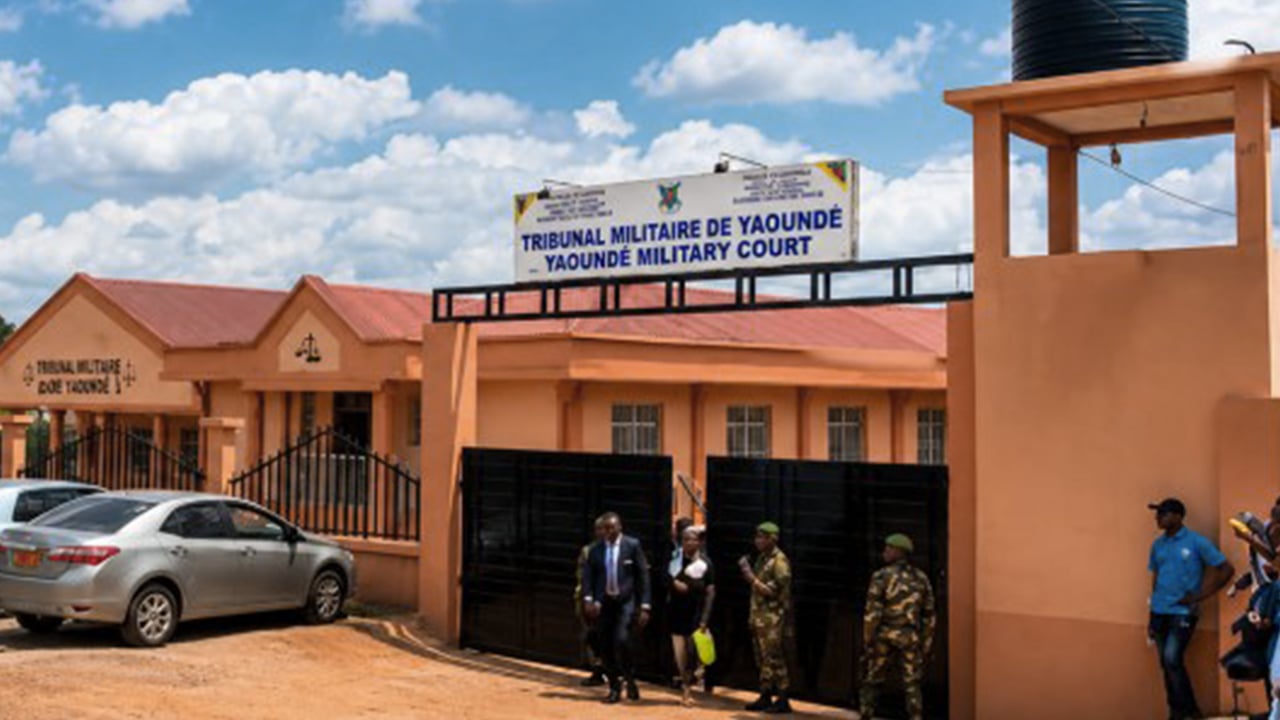

Tensions escalated at the military tribunal in Yaoundé as the hearing involving Colonel Otoulou took an unexpected turn. What began as a routine procedural step quickly transformed into a heated exchange, underscoring the gravity of the Martinez Zogo case.
The hearing that turned confrontational
During the proceedings, Colonel Otoulou’s testimony became a focal point, revealing sharp disagreements over key details. His statements clashed with those of other witnesses, creating a charged atmosphere in the courtroom. The Martinez Zogo case, already high-profile, gained further intensity as these discrepancies came to light.
Legal experts and observers noted that the exchanges were not merely procedural but carried significant implications for the ongoing investigation. The military tribunal’s handling of the case has drawn scrutiny, with many questioning the transparency of the process.
What’s at stake in the Martinez Zogo case
The Martinez Zogo case has captivated public attention in Cameroon, raising questions about accountability and justice. The journalist’s disappearance and subsequent investigation have exposed deep-seated issues within the country’s legal and security institutions. The testimony of Colonel Otoulou, a key figure in the inquiry, has only intensified the debate.
As the trial progresses, the stakes remain high. The outcome could reshape public trust in Cameroon’s judicial system and set a precedent for how such cases are handled in the future. The military tribunal’s decisions will be closely watched by both local and international observers.
Key moments from the hearing
- Clashing testimonies: Colonel Otoulou’s account of events directly contradicted previous statements, sparking sharp exchanges with other witnesses.
- Intense atmosphere: The courtroom’s mood shifted rapidly, reflecting the high stakes of the case.
- Public scrutiny: The hearing has amplified calls for transparency and accountability in the investigation.
Why the Martinez Zogo case matters
The Martinez Zogo case is more than a legal proceeding—it is a test of Cameroon’s commitment to justice. The journalist’s case has become a symbol of the broader challenges facing the country’s judicial system, particularly in cases involving powerful figures. The military tribunal’s handling of the case will be a critical indicator of the system’s integrity.
As the trial continues, the nation watches closely. The decisions made in these hearings could have far-reaching consequences, not just for the individuals involved but for the future of justice in Cameroon.

 Boureima Amadou