Mariama Hamani
Politics
The move that could reshape Cameroon’s power dynamics: Maurice Kamto’s legislative bid
A bold shift in strategy has thrust Maurice Kamto into the legislative race, signaling a potential turning point in Cameroon’s political equilibrium.
From presidential ambitions to legislative strategy
Maurice Kamto’s decision to enter the legislative race in Cameroon’s Mfoundi constituency came as a surprise to many. Just months after resigning from the presidency of the Movement for the Renaissance of Cameroon (MRC), Kamto has chosen a legislative path rather than waiting for the next presidential election. This strategic pivot is seen as a deliberate move to position himself within the national assembly, potentially aiming for its presidency to challenge the dominance of the executive branch.
The shift marks a significant departure from conventional opposition tactics, which have historically focused on presidential contests. By entering the legislative arena, Kamto is not only repositioning his party but also redefining the terms of political engagement in Cameroon.
Why the National Assembly could be Kamto’s next battleground
Political analyst Aristide Mono recently highlighted the strategic implications of Kamto’s legislative bid. In a televised analysis, Mono suggested that Kamto’s candidacy is not merely about securing a parliamentary seat but about seizing control of the National Assembly itself. Such a move would create an unprecedented counterbalance to the executive, reshaping the country’s political power structure.
Mono noted that while observers anticipated Kamto’s eventual return to politics, few expected it to take this form. “Analysts and political observers in Cameroon were expecting a resurgence from Maurice Kamto, but not through this channel,” he explained. “We thought it would inevitably happen at the next presidential election—either an early one or the scheduled 2032 vote.”
A new model for opposition politics in Central Africa?
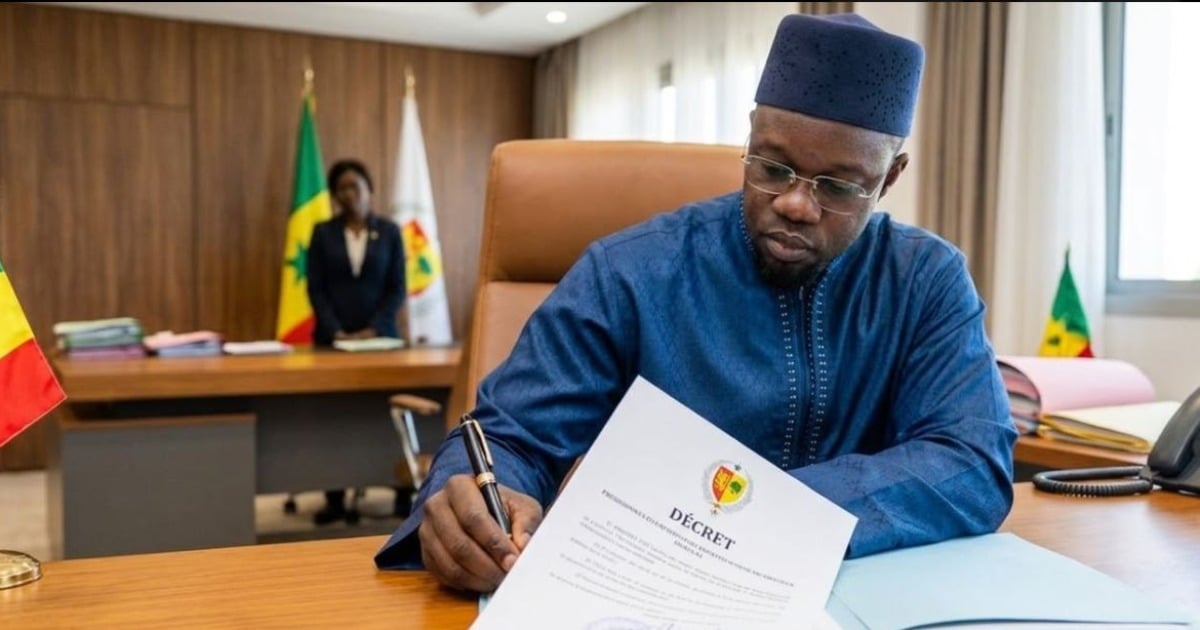
The political landscape of West Africa has increasingly seen legislative victories serve as a foundation for broader institutional influence. Mono drew a direct comparison with Senegal, where opposition leaders have leveraged parliamentary roles to reshape national governance. “Look at what’s happening in Senegal today,” he said. “Diomaye Faye and Sonko are working to redefine the political dynamic. The hypothesis of Maurice Kamto not just as a deputy, but as president of the National Assembly, is entirely plausible.”
This approach represents a potential blueprint for opposition movements in Central Africa, where executive authority has long overshadowed legislative and judicial branches. Kamto’s bid could signal the beginning of a new era in Cameroonian politics.
What’s at stake in the 2027 legislative elections
The February 2027 legislative elections will be a critical test of Kamto’s strategy. Success in the Mfoundi constituency—traditionally a battleground in national politics—would position the MRC as a major force in parliament. To achieve his ultimate goal, however, Kamto would need to build a parliamentary majority capable of challenging the status quo.
The stakes are high, not just for Kamto and the MRC, but for the broader political ecosystem of Cameroon. A victory in the National Assembly could redefine the balance of power and set the stage for future political confrontations.
The road ahead: challenges and opportunities
Despite the boldness of this move, Kamto’s legislative ambitions face significant hurdles. The Mfoundi constituency is fiercely contested, and the MRC’s ability to mobilize support remains untested at this scale. Additionally, the executive branch has historically resisted encroachment on its authority, raising questions about how far institutional reforms can go.
Yet, if Kamto succeeds, his rise to the presidency of the National Assembly could mark a turning point for Cameroon’s political future. It would signal a shift from opposition politics focused solely on presidential elections to a strategy that leverages parliamentary influence to reshape governance.

 Boureima Amadou