Boureima Amadou
In a pointed response to recent political overtures by opposition leader Ousmane Sonko, Senegalese activist Madana Kane has sharply criticized the timing of party maneuvers, emphasizing that the nation’s immediate crises must take precedence over partisan spectacle.
Madana Kane’s blunt message to Senegal’s political class
Addressing attendees at the second edition of his Waxtaan Jariñ political conference in Dakar on Saturday, Madana Kane of the Dundu movement condemned Sonko’s calls for a Tera Meeting and accelerated party membership drives. With Senegal facing its most severe economic challenges in decades, Kane declared bluntly: “The country does not need political theater right now.” His remarks reflect growing public frustration with leaders prioritizing power games over tangible solutions to daily struggles.
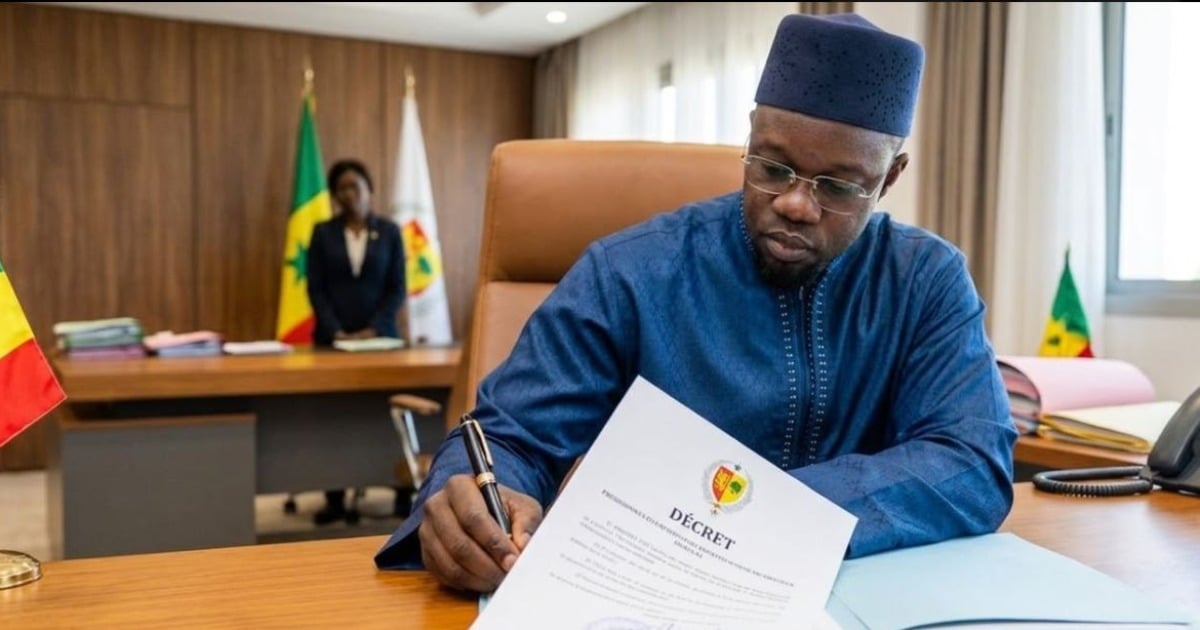
Kane’s intervention follows Sonko’s announcement of a new party recruitment campaign, with a stated goal of one million members. The move—part of the Wonel sa carte waajal élections yi initiative—alleges aims to strengthen party financing and prepare for upcoming elections. Yet Kane argues that such efforts miss the mark entirely, diverting attention from Senegal’s most pressing needs.
Cost-of-living and youth migration: the true national emergencies
Kane identified two overriding priorities that demand immediate action: the crisis of soaring living costs and the mass exodus of young Senegalese seeking opportunities abroad. His remarks come amid broader opposition efforts to unify, including a new coalition led by Barthélémy Dias. Kane cautioned that coalition talks must focus first on what they propose for the country, not who will lead the effort—a warning against putting the cart before the horse.
The activist’s critique underscores a widening disconnect between political elites and ordinary citizens. While Sonko’s party accelerates membership drives and prepares for a major December meeting in Thiès, millions of Senegalese grapple with inflation, unemployment, and the despair of watching the next generation leave. Kane’s message is clear: leadership demands urgency, not spectacle.
Why political activism without solutions is out of step with reality
Sonko’s party has framed its membership campaign as a structural necessity, positioning card sales as the foundation for a reliable voter database ahead of future elections. Yet Kane questions the logic of such calculations in a nation where families struggle to afford basic goods. “Political organizing cannot replace real solutions,” he stated, calling on leaders to abandon performative activism in favor of concrete, citizen-centered action.
The December 4-6 gatherings in Thiès, including the much-anticipated Tera Meeting, are now framed by opposition leaders as decisive moments. But for thousands of Senegalese, these events feel increasingly detached from their daily realities. As Kane’s rebuke resonates across Dakar, one question lingers: when will the country’s leaders finally prioritize the crises that keep citizens awake at night?
Key takeaway: With Senegal’s economic pain and youth exodus deepening, political leaders face mounting pressure to shelve partisan agendas and deliver real relief to a population in distress.