Boureima Amadou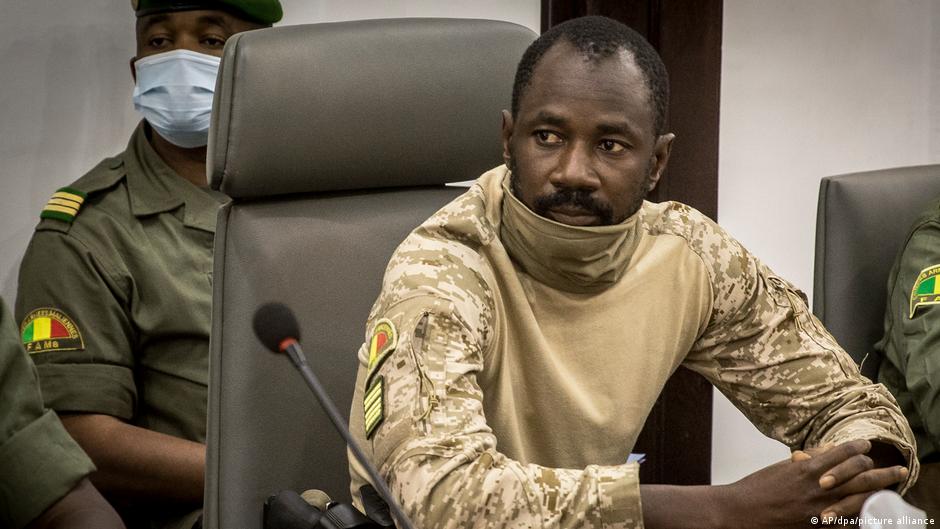
Mali’s challenging path: five years after the coup
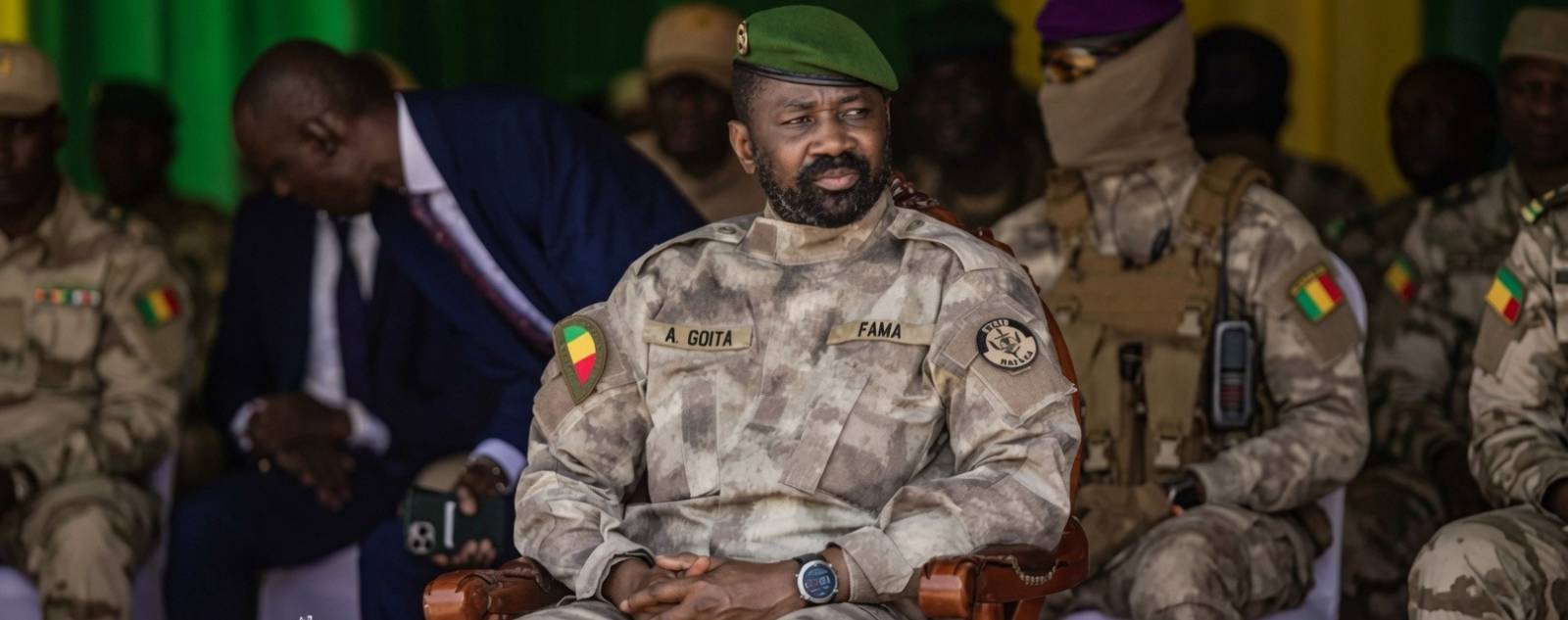
This Sunday marks five years since General Assimi Goïta’s military takeover in Mali. The period since the coup has seen a notable decline in the daily lives of many Malians, characterized by diminishing security, restricted freedom of expression, and a shrinking space for press freedom. However, despite these challenges, the military government still garners significant popular backing.
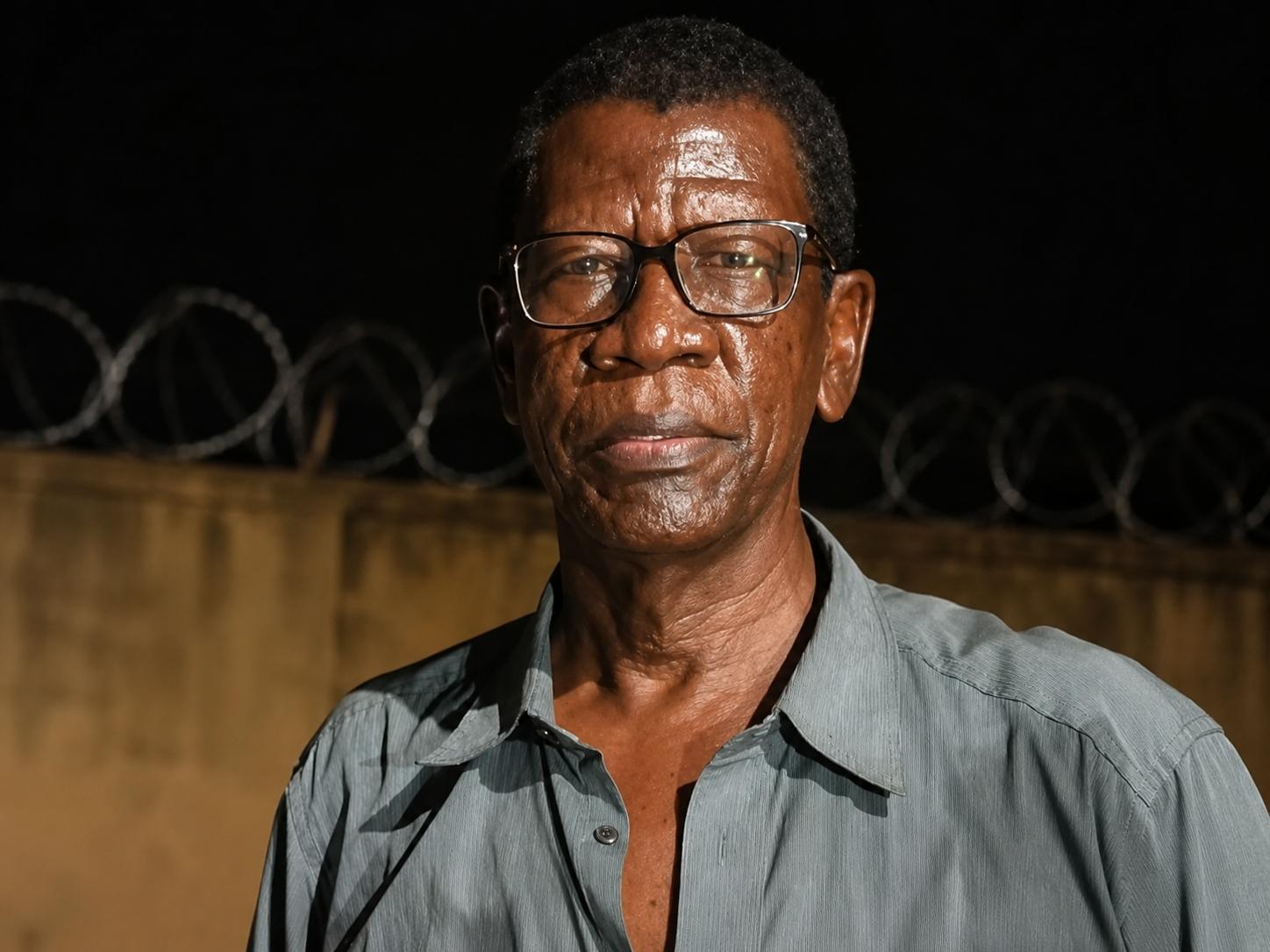
To gain deeper insight into this complex situation, I spoke with Ulf Laessing, who directs the Sahel Program for the Konrad Adenauer Foundation in Mali.
An interview with Ulf Laessing on Mali’s challenges
Ulf Laessing observed that repression has intensified. Freely expressing one’s views has become increasingly difficult. While candid discussions might still occur among trusted individuals, a palpable sense of caution now pervades public discourse. This represents a clear point of criticism against the current administration. Furthermore, critical voices have faced imprisonment, and many have been compelled to seek refuge abroad.
Question: What improvements, if any, have Malians experienced since the military assumed power?
Ulf Laessing: Initially, certain areas of the country saw a slight improvement in security. For instance, the route to Ségou remained open for an extended period, allowing some farmers to return to their fields. However, this is no longer the case. The crisis has continued to deepen. Given the immense population growth, the impacts of climate change, and pervasive insecurity, I am quite pessimistic that any government, regardless of who is in power, can significantly alter the trajectory.
Question: In 2020, the military took control with the stated aim of eradicating jihadist groups. This objective appears far from being met.
Ulf Laessing: Indeed, groups like JNIM and Islamic State effectively control significant portions of the country. I believe it’s unlikely that any government, whether through another coup or a future elected administration, will succeed in reclaiming these territories. I remain quite pessimistic about the prospects of achieving lasting peace in Mali.
Question: In late April, jihadists and Tuareg rebels even carried out several coordinated attacks.
Ulf Laessing: That was truly a shock. It represented the largest coordinated assault since 2012, when Tuareg rebels and jihadists briefly seized control of the north before French forces intervened a year later. This was a direct challenge to the state. The situation has since stabilized in the sense that the government remains in power, though they have lost certain northern areas. It doesn’t appear the rebels are making further advances at present. Nevertheless, it was a significant blow to the government’s prestige and a dramatic, unforeseen attack. Even the Russians, who arrived with promises of improved security, failed to anticipate it.
Question: Speaking of Russian mercenaries, they reportedly withdrew without engaging in significant combat. Mali’s allies, Niger and Burkina Faso, members of the Alliance of Sahel States (AES), issued statements but provided no military support. This left Mali relatively isolated. How do you explain this?
Ulf Laessing: With the Russians, it was always more about appearance than substance. They have approximately 1,500 to 2,000 mercenaries on the ground, which is only a third of the French contingent that previously struggled to pacify the entire country. Their brutal tactics have arguably exacerbated the conflict. Ultimately, it was a humiliation when they retreated from Kidal and two other northern locations without a fight. We also saw little concrete action from Niger and Burkina Faso. They claimed to have provided air support, but in reality, Mali was largely on its own that day. This wasn’t surprising, as both Niger and Burkina Faso are grappling with their own jihadist insurgencies. I don’t believe they possess the capacity to assist Mali, even if they had the strong desire to do so.
Question: Is the solidarity often espoused by the three AES states weaker than perceived?
Ulf Laessing: Politically, they are very aligned and have many shared aspirations. However, they lack both the will and, crucially, the capabilities to execute these plans. While the three military leaders are united by a common ideology, these are also three of the world’s poorest nations. Therefore, one must be realistic about what this cooperation can truly achieve. This is not the European Union building roads together or NATO providing mutual defense. These are three extremely impoverished countries fighting for their very survival.
Question: What could be a potential solution for Mali?
Ulf Laessing: A positive aspect is that the Malian people do not desire Sharia law or Islamist rule. This could have been a strong catalyst for protests in Mali, despite the inherent dangers and repression. But that’s simply not what the population wants. I hope this sentiment can serve as a foundation, leading eventually to genuine negotiations with the more moderate elements among the jihadist groups, fostering a path towards dialogue.
Question: But what could be negotiated? Jihadists aim to control the country and impose Sharia law. How can one negotiate with such entities?
Ulf Laessing: I don’t believe JNIM is capable of controlling a major city like Bamako or the entire country. What they seek is to be left undisturbed. They want to control specific regions and coexist with others. In Bamako, they desire a government that might implement slightly more Sharia and engage in negotiations with them. Unlike some groups in the Middle East, these jihadists are not foreign combatants seeking to inflict violence for pleasure. They are locals. Their grievances often stem from issues like access to water and land, which the jihadists exploit. At some point, I believe discussions will become inevitable. Military action is necessary, but so is dialogue with moderate individuals. In Mali, there are already some subtle pressures for such engagement.
Mauritania faced a similar challenge. Their response combined military force with compromises. For example, alcohol is no longer permitted, and the country is officially an Islamic Republic. It’s true that a full Taliban-style program isn’t necessary. Perhaps some form of agreement can be reached to satisfy the country’s needs. Once instability is reduced, the state will naturally have greater capacity to act.
Question: And what do the people of Mali truly want?
Ulf Laessing: The people do not want to live under Sharia law in Bamako. We observed this during the late April attacks: there were no widespread protests or strong demands for the government to resign. People understand very well that if this government falls, the next one might be even more Islamist, which is not what they desire. Despite all the criticisms leveled against the military government, it must be said that many people still support it because they reject the alternatives: they don’t want jihadists, nor do they want a return to the old, corrupt elites who were perceived as tied to France and Europe. Therefore, I believe that if no further major attacks occur, the government will likely remain in power, given the existing popular backing.
Question: So, you don’t feel that the impression given by social media is misleading, and that in reality, a large segment of the population, especially the youth, supports Assimi Goïta’s government?
Ulf Laessing: The average age in Mali is 15. Many young people are not even attending school. They have no strong connection to Europe or France. They primarily get their information from social media, which is rife with propaganda, including disinformation spread by the Russians to bolster the government. I do believe there is still support for the government. After the late April attacks, it would have been an opportune moment for protests, as the regime was weakened. The same was true last autumn when fuel deliveries were disrupted. Yet, no one protested, because the people clearly do not want to be governed by JNIM.
Question: Perhaps they are too preoccupied with mere survival? A situation now made even more severe by the blockade imposed on Bamako.
Ulf Laessing: Life has certainly become significantly more difficult, even before these recent attacks. People have grown resigned; they’ve lost all illusions about politicians. It must also be acknowledged that political parties and older politicians have lost much credibility. Many of them have already held power, and nothing truly improved. This is why many are saying, ‘Let’s give those currently in power another chance.’


 Mariama Hamani