Mariama Hamani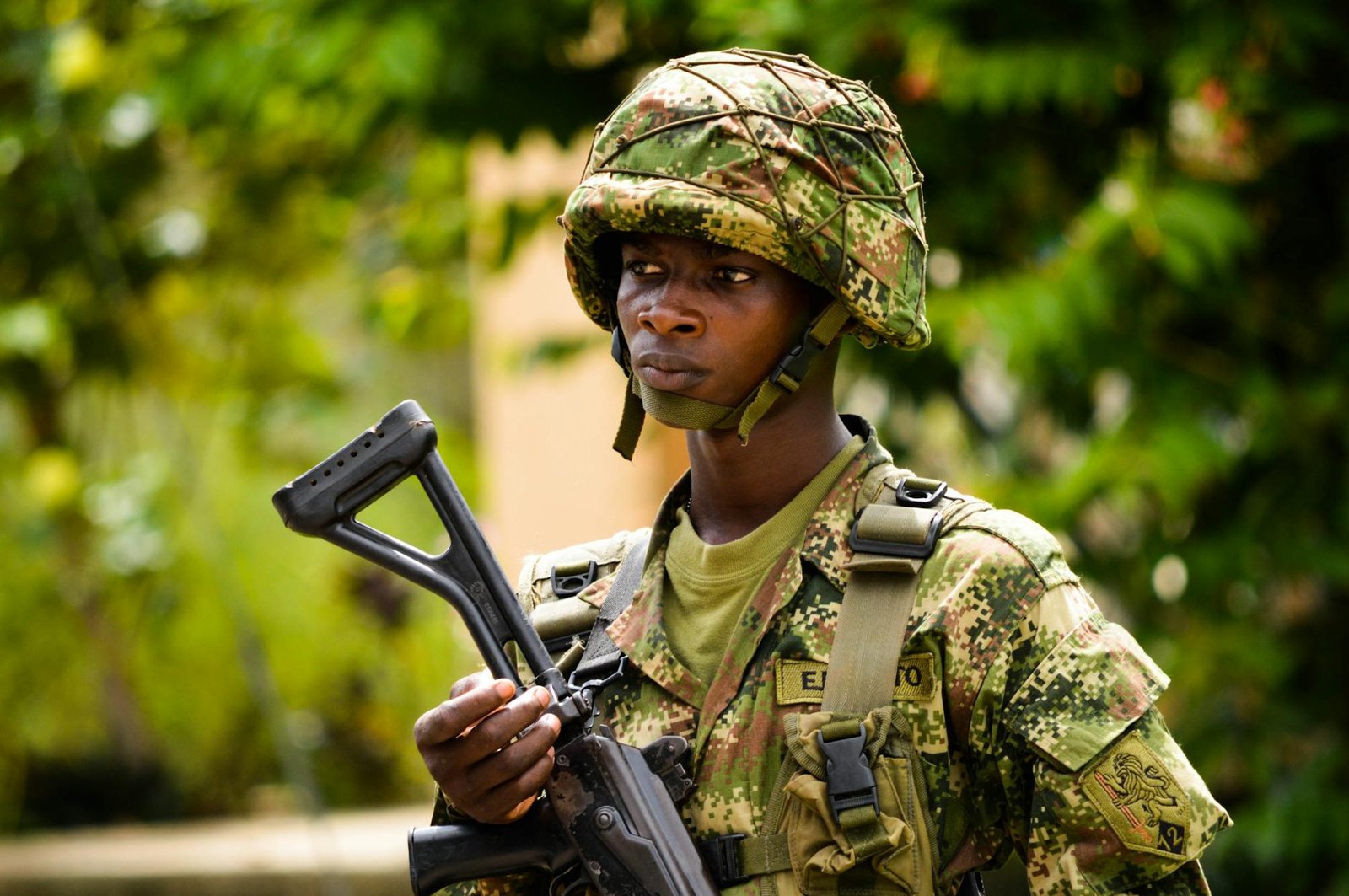
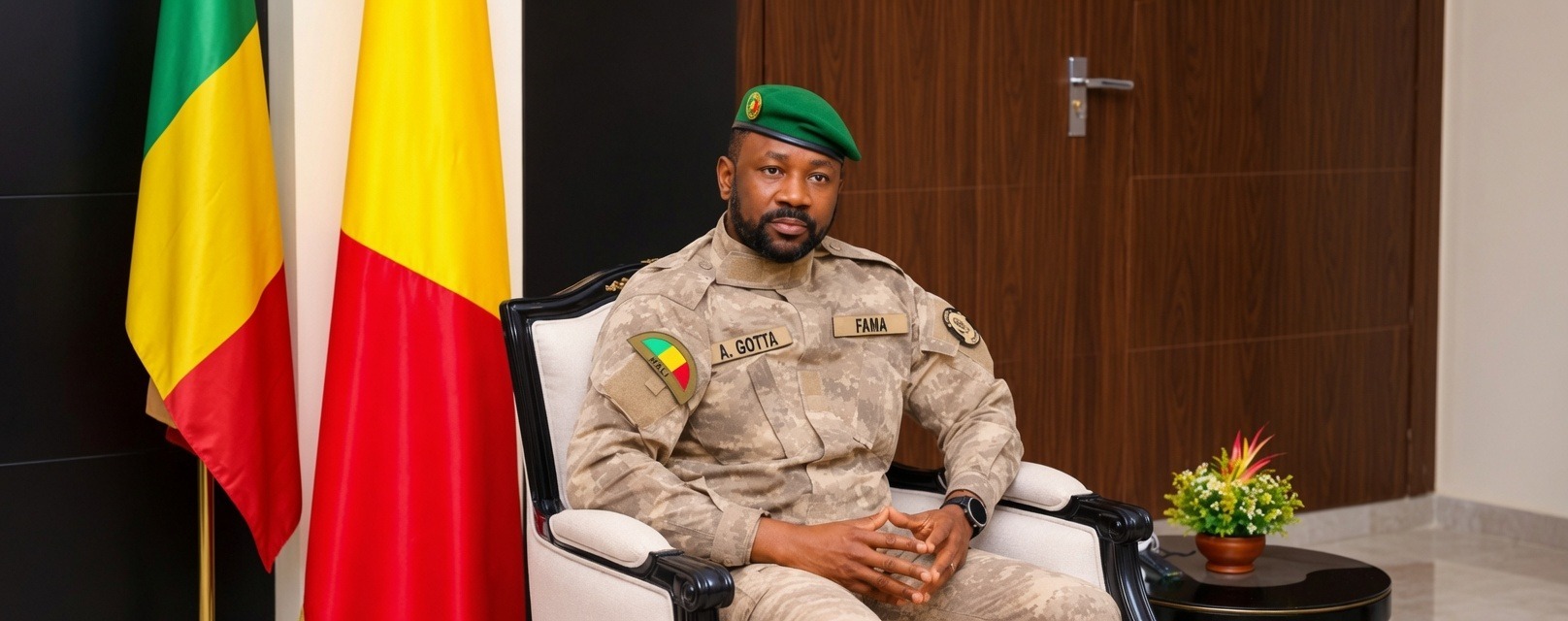
Mali has escalated its counterterrorism efforts by unveiling a bold new incentive program. On national television, the transitional government declared it will reward individuals who provide actionable intelligence leading to the capture or elimination of key figures from the Group for the Support of Islam and Muslims (JNIM)—an Al-Qaeda affiliate—and the Azawad Liberation Front (FLA). This public appeal marks a significant shift, signaling Bamako’s push to enlist civilian support in a conflict that has stretched the military’s resources to its limits.
targeting jihadists and separatists with financial incentives
The announcement zeroes in on two armed factions that Mali views as the gravest threats to its sovereignty. The JNIM, led by Iyad Ag Ghaly and active across the central Sahel, has carried out relentless attacks on military outposts and supply routes. Meanwhile, the FLA, rooted in historic Tuareg separatist movements, continues to challenge Bamako’s authority in the northern regions of Kidal, Gao, and Timbuktu.
By introducing monetary rewards, the Malian authorities are adopting a strategy long used in Western counterterrorism doctrines. While common in Europe and the United States, such tactics remain uncommon in West Africa. This move underscores a critical realization: defeating insurgencies requires more than firepower—it demands human intelligence from those who live within the conflict zones.
admitting battlefield limitations through a new tactic
The timing of this announcement is telling. With security conditions worsening after the withdrawal of the UN peacekeeping mission in late 2023 and the exit of French forces, the Malian Armed Forces (Fama) now operate with support from Russian-backed units, including former Wagner associates now part of the Africa Corps. Despite regaining control of Kidal in late 2023, jihadist violence has surged in 2024 and 2025, striking closer to Bamako than ever before.
Offering bounties reflects a pragmatic shift. Cutting off insurgent networks from their leadership demands precise local knowledge—information only communities on the ground can supply. However, this approach carries risks. Informants face grave dangers, and without clear payment terms or guarantees, public trust in the program may remain low. Authorities have yet to disclose reward amounts or disbursement procedures.
regional unity or new challenges ahead?
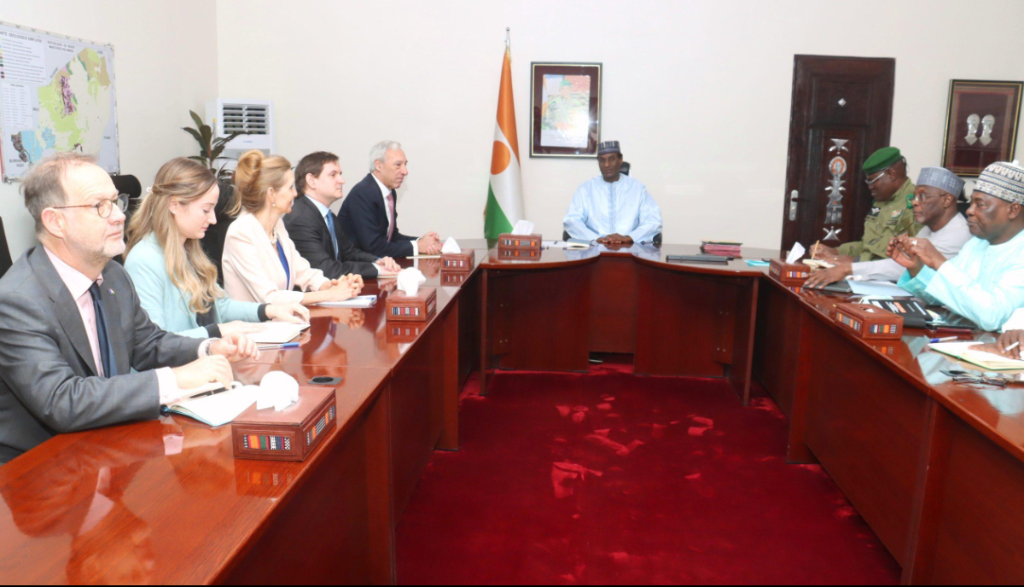
This initiative aligns with the Sahel States Alliance (AES), a coalition formed in 2024 uniting Mali, Burkina Faso, and Niger. The three nations share a unified stance on regional security threats and are gradually coordinating military operations. Expanding bounty systems across the alliance could strengthen cross-border intelligence-sharing, a critical need given how armed groups exploit porous borders to regroup and resupply.
Yet financial sustainability remains a major question. With external funding suspended and regional sanctions imposed by the Economic Community of West African States (ECOWAS), Bamako must find internal resources or secure new partnerships to fund the program. While Russia has emerged as Mali’s primary military ally, no official agreements on co-financing have been announced.
Beyond operational goals, this move serves a broader political agenda. By addressing the public directly through state media, the transitional government aims to rally citizens behind the war effort and bolster its legitimacy amid delayed elections following the 2020 and 2021 coups. Success will be measured in the coming months by how quickly the Fama can deliver tangible results against the named jihadist and rebel leaders.



 Boureima Amadou