Boureima Amadou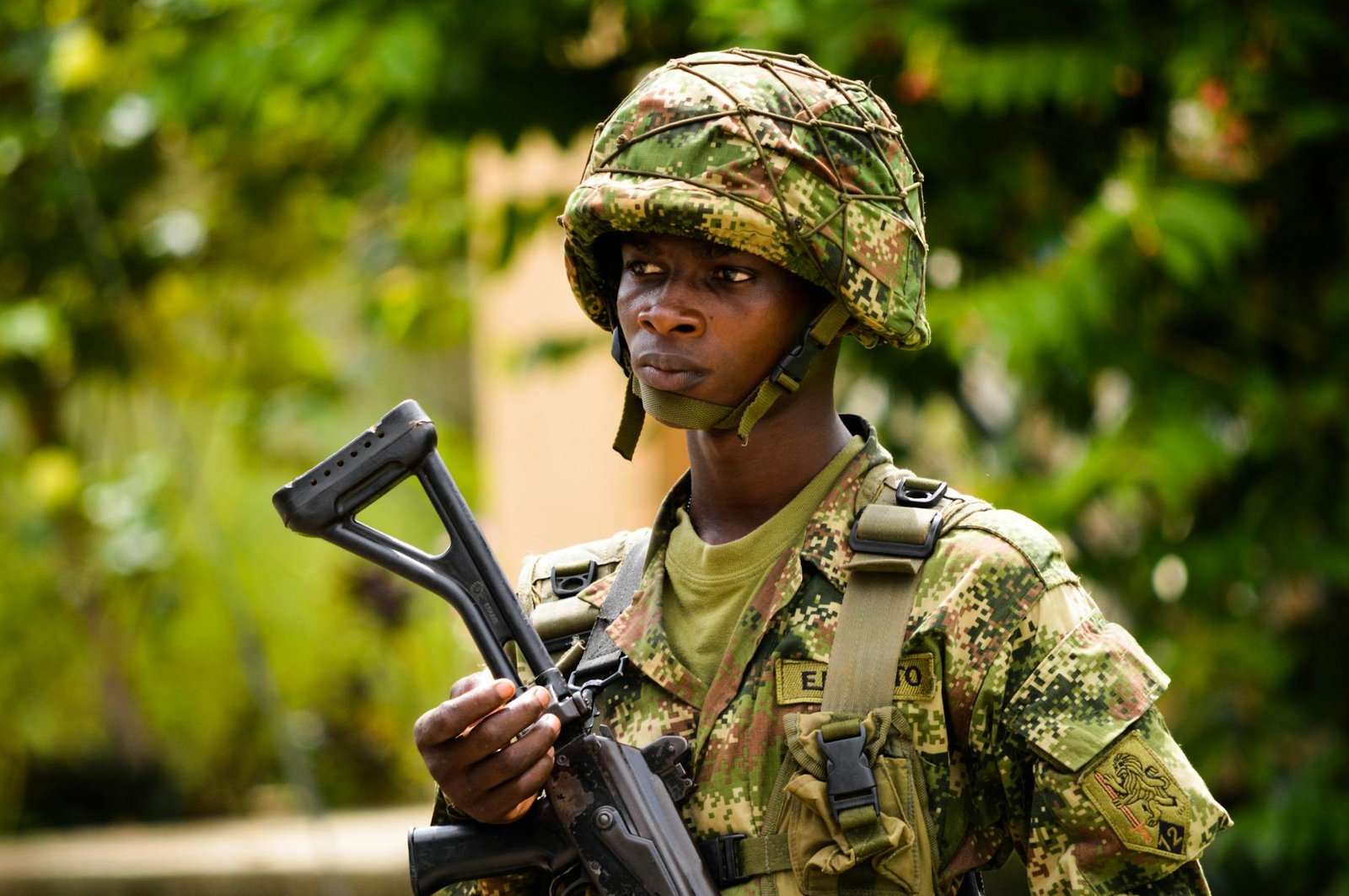
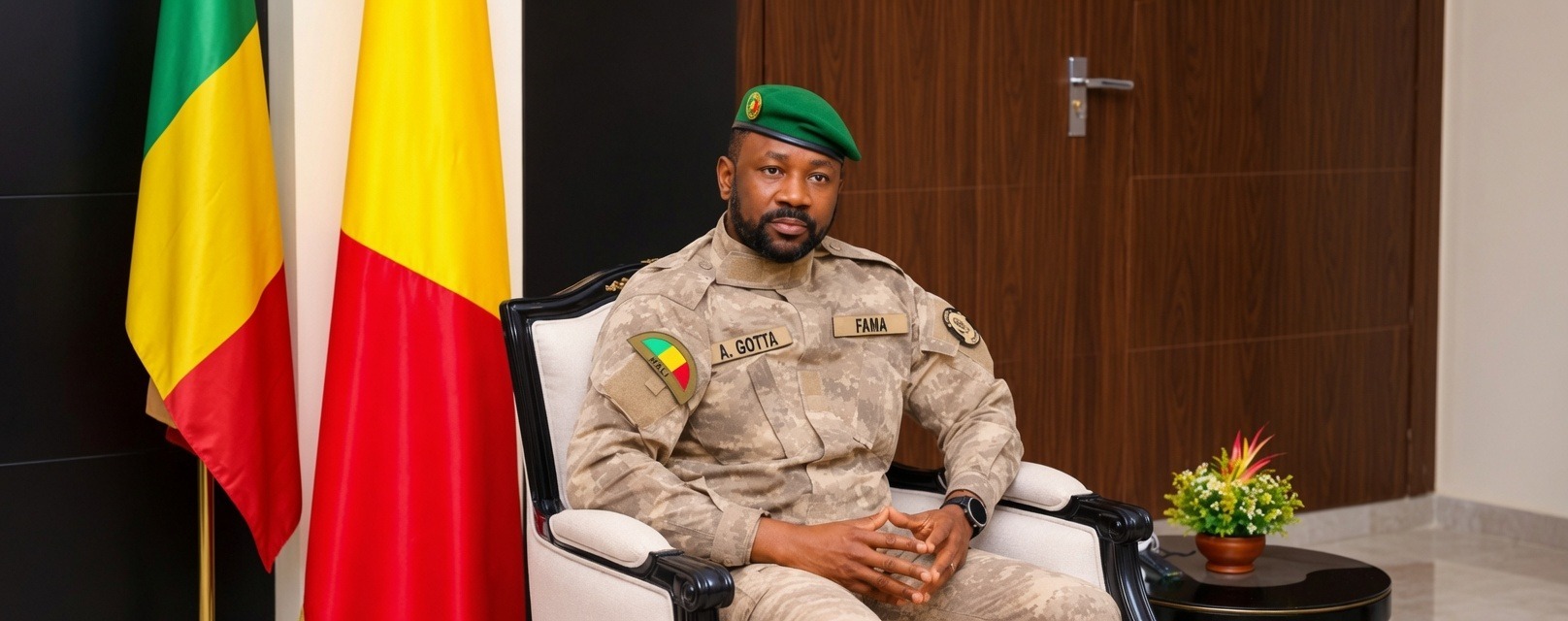
Malian authorities have escalated their counter-terrorism strategy with a significant new initiative. On June 4, 2026, Bamako announced via state broadcaster ORTM the establishment of a financial reward mechanism. This scheme aims to compensate individuals who provide intelligence leading to the apprehension or neutralization of key leaders from the Group for the Support of Islam and Muslims (Jnim), an Al-Qaeda affiliate, and the Azawad Liberation Front (FLA). This public declaration marks an unprecedented move, reflecting the transitional government’s determination to enlist civilian support in a conflict that the military has struggled to overcome independently.
Public bounty targets Jnim and FLA leadership
The system unveiled by the Malian government specifically targets two armed organizations identified by Bamako as primary threats to the nation’s territorial integrity. Jnim, a jihadist coalition led by Iyad Ag Ghaly, has been responsible for numerous attacks on military positions and logistical routes across the central Sahel region for several years. The FLA, which traces its roots to the Tuareg separatist movements in the North, actively challenges Bamako’s authority in the regions of Kidal, Gao, and Timbuktu.
By offering monetary incentives, Mali’s transitional authorities are adopting a tactic previously employed by other nations grappling with armed insurgencies. While common in American and European counter-terrorism doctrines, this approach remains rare in West Africa. It signifies a strategic shift, as Bamako implicitly acknowledges the critical need for localized human intelligence where conventional military operations have reached their limits.
A strategic acknowledgment of ground challenges
This announcement comes amidst a deteriorating security landscape. Following the withdrawal of the United Nations Multidimensional Integrated Stabilization Mission in Mali (MINUSMA) in late 2023 and the departure of French forces, the Malian Armed Forces (Fama) now operate with the backing of Russian partners, notably the Africa Corps, which succeeded Wagner. Despite the symbolic recapture of Kidal in November 2023, jihadist attacks have intensified throughout 2024 and 2025, impacting both central regions and areas near the capital.
The promise of rewards demonstrates tactical foresight. Decapitating armed groups through the targeted elimination of their leadership requires a detailed understanding of their networks, information that can often only be supplied by local populations. However, this strategy carries inherent risks. Informants face potential retaliation, and the lack of clarity regarding the reward amounts or payment procedures could limit the effectiveness of the initiative. Authorities have not yet disclosed specific sums or the process for disbursing payments.
A strategy with regional implications
Mali’s initiative aligns with the broader dynamics of the Confederation of Sahel States (AES), established in 2024, which includes Mali, Burkina Faso, and Niger. These three nations share a common perception of the threat and are progressively coordinating their military operations. A harmonized reward system across the confederation could enhance the efficacy of cross-border intelligence, especially since armed groups frequently exploit porous borders for retreat and resupply.
Nevertheless, the funding of such a scheme raises questions. Amidst a constrained national budget, marked by the suspension of various external supports and previous economic sanctions from the Economic Community of West African States (ECOWAS), Bamako will need to secure internal resources or find external partners to legitimize its commitment. Russia, now the country’s primary military partner, could be approached for co-financing, though no official information on such discussions has emerged.
Beyond its operational aspects, this government communication serves a political purpose. By directly addressing the population via state television, the leadership aims to involve citizens in the war effort and bolster its legitimacy, particularly as the transition, initiated after the 2020 and 2021 coups, continues to delay electoral timelines. The success of this new strategy will be measured in the coming months by Fama’s ability to demonstrate tangible results against the designated jihadist or separatist commanders.

 Mariama Hamani